
Sapporo Streetcar Winter Route and Sightseeing Guide
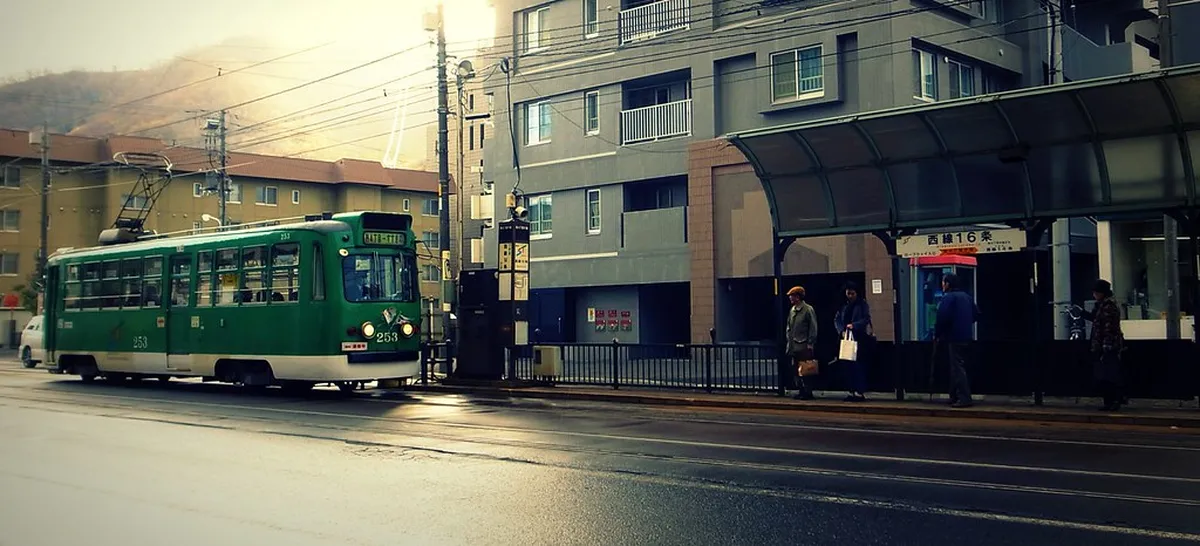
Table of Contents
Guide to the Sapporo Streetcar Winter Route and Sightseeing
Experience the magic of Hokkaido using this Sapporo streetcar winter route and sightseeing guide. The city looks stunning under a thick blanket of white snow in 2026. Riding the vintage trams offers a cozy way to see local neighborhoods. You will find that the streetcar is essential for exploring the city center.
The streetcar system is officially known as the Sapporo City Tram. It operates on a continuous loop through the heart of the city. You can start your journey at any stop along the 8.9-kilometer track. This Sapporo winter transport guide 2026 helps you navigate the entire snowy network easily.
Traveling by tram is much slower than taking the subway. However, the views of the snow-covered streets are much better. You will see local shops and historic buildings pass by your window. Most visitors enjoy the nostalgic feel of the older green and white cars. Newer low-floor models also run on the lines for better accessibility.
Winter in Sapporo can be very harsh during January and February. The streetcar remains a reliable mode of transport during heavy snowfall. It connects popular tourist areas with quiet, charming residential districts. This guide will ensure you make the most of every stop. Let us explore how to use the streetcar for your winter adventure.
Navigating the Sapporo Streetcar Winter Route
For current hours, prices, and announcements, start with Sapporo travel info.
For official information, visit Sapporo travel info.
The Sapporo streetcar operates as a single large loop around the city. You can travel in either a clockwise or counter-clockwise direction. The inner loop moves clockwise while the outer loop moves counter-clockwise. Digital signs at each station show the estimated arrival time for the next car.Boarding the streetcar always happens through the middle or rear doors. You do not need to show a ticket when you enter. Simply find a seat or hold onto a handrail during the ride. Most trams have heaters under the seats to keep you warm. These heaters provide a welcome relief from the freezing outdoor temperatures in 2026.
Payment takes place at the front of the tram when you exit. You can pay with cash or use a prepaid transportation card. IC cards like Suica or Pasmo are fully compatible with the readers. If you don't have one, consider buying a Sapporo IC card for winter travel early. This makes exiting the tram much faster and more convenient.
The flat fare for adults is currently 200 JPY per ride. Children pay a reduced fare of 100 JPY for any distance. If you plan to ride many times, buy a day pass. The weekend 'Dosanko Pass' offers great value for families and solo travelers. It covers unlimited rides for one full day during the cold season.
Drivers are very helpful and often wait for passengers to sit down. The stops are clearly announced in both Japanese and English. Small screens at the front show the name of the next station. This system makes it very easy for international tourists to stay on track. You will never feel lost while exploring the snowy city streets.
Best Streetcar Stops for Sightseeing and Photo Ops
The stop at Susukino is the most famous for winter night views. It marks the entrance to the largest entertainment district in Northern Japan. You will see bright neon signs reflecting off the fresh white snow. This area hosts a major ice sculpture display during the city's winter festivals. It is a perfect place to start your evening sightseeing journey.
Ride the tram to the Ropeway-iriguchi stop for a mountain adventure. This station provides easy access to the Mount Moiwa Ropeway shuttle bus. You can take the cable car to the summit for a panoramic view. The city lights look like glowing jewels nestled in a snowy valley. This is a must-see location for any winter photographer visiting in 2026.
The Tanukikoji stop drops you right at a famous shopping arcade. This covered walkway stretches for seven long city blocks. It provides a warm escape if the winter winds become too strong. You can find unique souvenirs and local Hokkaido snacks inside the shops. It is also a great place to connect to Sapporo underground walkways for further exploration.
Visit the Chuo-kuyakusyo-mae stop to see the historic Sapporo 자료관 building. The stone architecture looks magnificent when covered in winter icicles and snow. There are also many small, cozy ramen shops hidden in the nearby alleys. These local eateries offer the best miso ramen to warm your spirit. Most shops open around 11:00 AM and serve until late evening.
The Nishi-Yon-Chome stop is located near the beautiful Odori Park. This is the main site for the world-famous Sapporo Snow Festival. You can walk from the tram stop to see massive snow statues. The park is especially beautiful during the evening light-up events. Make sure to wear your warmest boots for walking on the groomed snow.
The Iconic Sasara-densha Snow Broom Streetcar
Sapporo is home to a very special tram called the Sasara-densha. This unique vehicle uses thousands of bamboo brushes to clear the tracks. It operates early in the morning before the regular passenger service begins. You can see it spraying snow high into the air as it moves. This sight is a highlight of the Sapporo streetcar winter route and sightseeing guide.
Wait near the Nishi-Juhatchome area during heavy snowfalls to spot one. These maintenance cars are painted bright colors to stay visible in blizzards. Locals consider seeing the Sasara-densha a sign of a true Sapporo winter. The bamboo brushes are called 'Sasara' and are very effective on ice. They have been used by the city for over 100 years.
The Sasara-densha does not carry passengers during its cleaning runs. However, you can take amazing photos of it from the sidewalk. It represents the hardworking spirit of the Hokkaido people during the long winter. The sound of the spinning brushes is very distinct and rhythmic. It is a beloved part of the city's winter soundscape in 2026.
Maintenance crews work through the night to keep the loop line clear. This dedication ensures that residents can reach their jobs even in storms. The streetcar rarely stops running due to snow because of these special trams. It is one of the most reliable ways to travel in 2026. You can trust the schedule even when the snow is deep.
Practical Tips for Winter Streetcar Travel
💡 Pro Tip: Book your Sapporo adventures in advance through Viator for the best deals!
Always dress in warm layers before heading out to the tram stops. Most stations are located in the middle of the street. You will have to wait outside for a few minutes. Wear thermal socks and waterproof shoes to keep your feet dry. The metal floors of the trams can sometimes feel quite cold.
Carry a small amount of cash in coins for the fare box. While IC cards are best, the machine also accepts 1,000 JPY notes. It will provide change automatically if you pay with a large note. Do not try to use 5,000 or 10,000 JPY bills. The driver cannot change these larger denominations while the tram is moving.
Watch your step when boarding and exiting the streetcar in winter. The steps can become very slippery from packed snow and ice. Hold onto the handrails until the vehicle comes to a complete stop. Safety is the priority for all passengers during the icy months. Try to avoid standing in the doorway to let others exit easily.
The streetcars can become very crowded during the morning and evening rush. Try to travel between 10:00 AM and 3:00 PM for a seat. This is the best time for a relaxed sightseeing loop journey. You will have more space to move around and take photos. Most trams offer free Wi-Fi for passengers to use during their ride.
Seasonal Events Along the Streetcar Loop
The winter season brings many festive events to the streetcar route. In December, look for the 'White Illumination' displays near Odori Park. The tram passes right by these glowing trees and massive light sculptures. It is a romantic way to see the holiday lights without walking. The view from the back window of the tram is particularly beautiful.
The Sapporo Snow Festival takes place along the route every February. You can see the preparations starting as early as mid-January. Large blocks of snow are delivered to the park by heavy trucks. The streetcar provides a front-row seat to this incredible construction process. You can watch the artists carving the statues day by day.
Local shrines along the tram line host New Year celebrations in January. Many people take the streetcar to perform their first shrine visit. The cars are often decorated with traditional ornaments during this festive time. You might even see people wearing beautiful winter kimonos on the tram. This adds a lovely cultural touch to your winter sightseeing trip.
Special 'themed' streetcars often run during the peak winter tourist season. These may feature local mascots or colorful advertising for winter festivals. They are much more colorful than the standard green and white trams. Keep your camera ready at all times to catch these limited-edition vehicles. They move slowly through the city, making them easy to photograph.
Frequently Asked Questions
💡 Pro Tip: Book your Sapporo adventures in advance through Viator for the best deals!
How often does the Sapporo streetcar run during winter?
The streetcar runs every 7 to 10 minutes throughout the day. Frequency might decrease slightly during late night hours or heavy blizzards. You can check the real-time schedule at most major tram stops. The service usually operates from 6:00 AM until around 11:00 PM daily.
Where can I buy a day pass for the streetcar?
You can purchase the Dosanko Pass directly from the streetcar driver. This pass is only available on weekends and public holidays. For a general daily pass, visit the Odori subway station information desk. Digital passes are also becoming more common through mobile travel apps in 2026.
Is the Sapporo streetcar wheelchair accessible in winter?
Most of the newer 'Sirius' and 'Polaris' tram models are low-floor. These models provide excellent accessibility for wheelchairs and strollers. However, some older cars have steep steps that are difficult to climb. Check the schedule monitors for indicators of the low-floor car arrival times.
Can I use my JR Pass on the Sapporo streetcar?
No, the Japan Rail Pass is not valid on the streetcar. The tram system is operated by the city transportation bureau. You must pay with cash or a compatible IC card. The flat fare makes it very affordable even without a special rail pass.
What is the best stop for local Hokkaido food?
The Susukino and Tanukikoji stops offer the highest concentration of restaurants. You can find fresh seafood, jingisukan, and ramen within a short walk. Many local izakayas are tucked away in the basement of nearby buildings. These spots stay warm even during the coldest winter nights in Sapporo.
Exploring the Sapporo streetcar winter route and sightseeing guide is a highlight. The trams offer a warm and nostalgic way to see the city. You can easily reach famous landmarks like Mt. Moiwa and Susukino. Plan your journey today to enjoy the snowy 2026 winter season in Japan. For more details on city travel, check out our other guides.
Key Takeaways
- Board the tram through the middle door and pay at the front when exiting.
- Use an IC card like Suica for a faster and easier payment process.
- Ride the tram to Susukino for the best nighttime winter photography spots.
- Look for the Sasara-densha broom cars during early morning snowfalls.
- Check the monitor at the station to find accessible low-floor tram models.
Related reads: polarcityguide.com, sapporo winter travel guide 2026, how to use sapporo subway during winter months.