
Exploring Takayama Jinya Historical Site in Winter
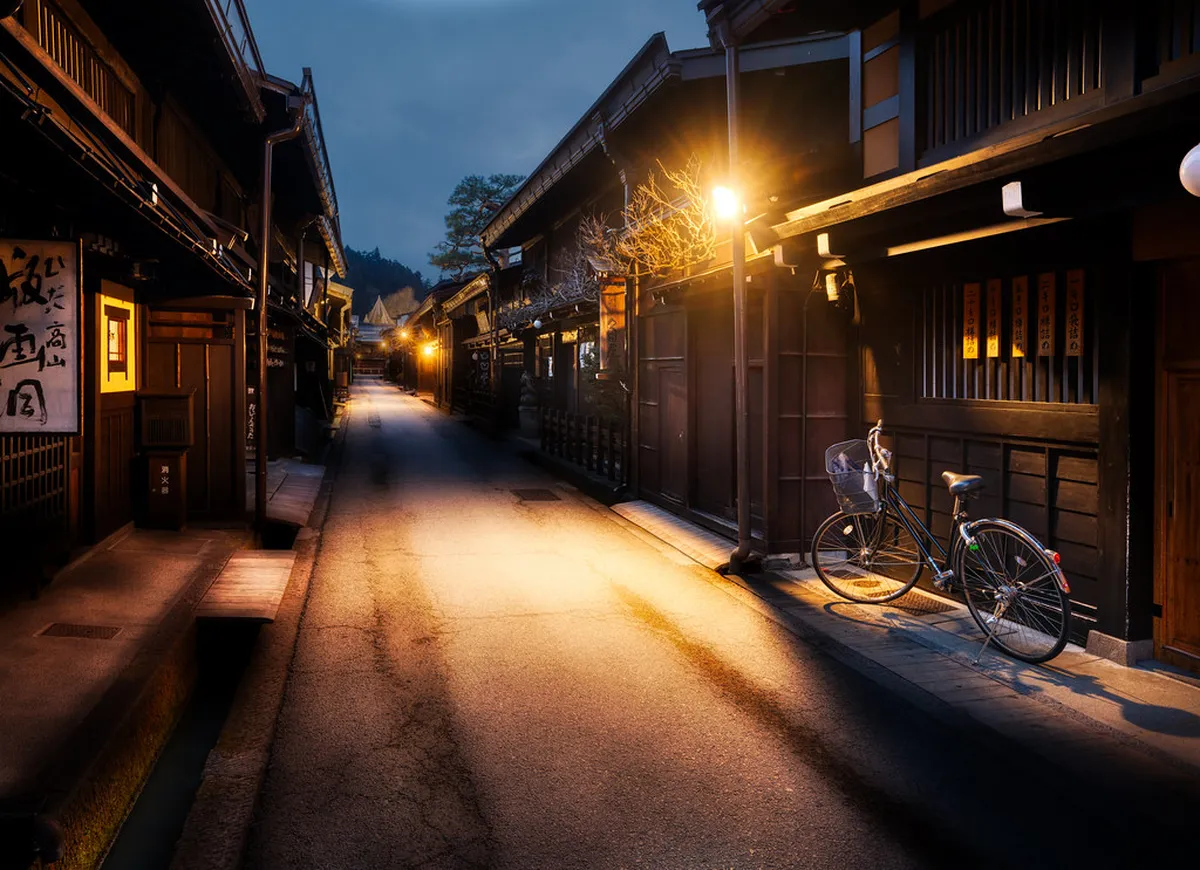
Table of Contents
Complete Guide to Exploring Takayama Jinya Historical Site in Winter
Takayama Jinya stands as a unique historical landmark in the Hida mountains. It remains the only local government office from the Edo period today. Exploring Takayama Jinya historical site in winter offers a magical snowy experience. You will feel like you stepped back into ancient Japanese history.
The thick wooden structures contrast beautifully against the white winter snow. Snow covers the traditional tiled roofs throughout the colder months. This site provides deep insights into the history of high-ranking officials. It is a necessary stop on any Takayama old town winter walking guide itinerary.
History of Takayama Jinya Site
For practical details and last-minute changes, use Takayama travel info.
You can find the latest updates on Takayama travel info.
Takayama Jinya served as the administrative center for the Hida region. The Tokugawa Shogunate took direct control of this area in 1692. Officials managed the valuable timber and mineral resources from this office. It functioned as a seat of power for over 170 years.The site includes office rooms, living quarters, and a court of law. It served as the residence of the local governor or Gundai. You can see where officials conducted their daily business meetings. Every room reveals stories about legal disputes and tax collections.
The building survived several urban fires over many centuries. Careful restoration work has preserved the original 1816 architecture. Walking through these halls feels like traveling back to 19th-century Japan. The atmosphere is quiet and filled with history during the winter.
Best Photo Spots in Winter
The inner courtyards provide the best photography opportunities during the winter season. Snow piles high against the dark wood of the sliding doors. These gardens follow traditional Japanese design principles with careful spacing. The contrast between white snow and brown wood is striking.
You can capture iconic shots of the long office corridors. The wooden beams frame the snowy garden views perfectly. Use a wide-angle lens to capture the vastness of the tatami rooms. Winter light adds a soft and ethereal glow to the interiors.
The entrance gate is another popular spot for winter photography. Stone walls and wooden fences create a majestic foreground for photos. Wait for a light snowfall to add movement to your shots. These photos will become highlights of your 2026 winter journey.
Essential Visitor Tips for 2026
Visitors must remove their shoes at the main entrance gate. The site provides plastic bags for you to carry your shoes. Wooden floors inside the building become very cold during the winter. You must wear thick wool socks to stay comfortable while walking.
The admission fee for adults is 440 yen in 2026. Admission is free for high school students and younger children. The site opens daily from 8:45 AM until 4:30 PM. Plan to spend at least one hour exploring the entire complex.
Consider the Takayama winter weather guide 2026 before you visit. Heavy snowfall can impact the accessibility of certain outdoor areas. Wear waterproof footwear for the short walk between the storehouse and offices. The staff provides English pamphlets at the ticket counter.
Design and Interior Architecture
🎯 Insider Tip: Discover the best Takayama experiences with Viator Tours!
The building features many large rooms lined with tatami mats. Simple yet elegant designs reflect the status of the local government. You will notice beautiful rabbit-shaped nail covers on the wooden beams. These small details represent fortune and protection from fires.
The kitchen area shows how meals were prepared for important officials. You can see the traditional stone hearth used for cooking. Low ceilings in certain areas helped keep the warmth inside rooms. The architecture balances practical administrative needs with aesthetic beauty.
Sliding paper doors separate the different sections of the living quarters. These doors allow light to filter into the dark interiors. You can see how officials moved through the building in private. The layout is a masterpiece of historical Japanese civil engineering.
Navigating the Rice Storehouse
The Jinya Rice Storehouse is the oldest and largest in Japan. It was built during the 1600s to store tax rice. Tax was paid in rice instead of money during that era. The massive wooden pillars and thick walls are very impressive.
Today, this storehouse serves as an informative museum for tourists. It houses historical documents, old maps, and administrative tools. You can learn about the complex irrigation and farming techniques used nearby. Detailed exhibits explain the economic history of the Hida region.
The storehouse stays much cooler than the main office buildings. Make sure to keep your jacket on while touring this section. The heavy doors and high ceilings protected the grain from seasonal dampness. It is a vital part of the historical site tour.
Visiting the Jinya Morning Market
🌟 Local Expert Tip: Get the most out of your Takayama visit with guided tours!
The Jinya morning market takes place outside the main entrance daily. Local farmers sell fresh produce, pickles, and handmade snacks here. You can find unique Hida souvenirs at these small wooden stalls. The market opens as early as 7:00 AM during winter.
Check the morning market opening hours in Takayama winter before heading out. Some stalls may close early if the weather is extremely severe. It is the perfect place to grab a hot snack before entering. Try the local Hida beef buns to warm up your hands.
Buying from local traders supports the community during the slow season. Most sellers are very friendly and enjoy sharing stories about Takayama. You can find high-quality dried persimmons and local mountain honey. It is a lively start to any winter morning in the city.
Frequently Asked Questions
🎯 Insider Tip: Discover the best Takayama experiences with Viator Tours!
Is Takayama Jinya open every day during winter?
Yes, Takayama Jinya remains open daily throughout the winter season. It only closes for a few days during the New Year holidays. Most visitors find the snowy atmosphere very pleasant and peaceful.
How long should I spend at Takayama Jinya?
You should plan for 60 to 90 minutes for a full tour. This allows time to see the offices and the museum. Photographers may want to stay longer to catch the best light. The site is quite large with many rooms to see.
Can I take photos inside the historical site?
Photography is allowed in most areas of the Takayama Jinya site. However, some specific historical documents in the museum may be restricted. Always look for signage or ask the staff if you are unsure. Tripods are generally not allowed inside the buildings.
Exploring Takayama Jinya historical site in winter is a rewarding travel experience. You will gain a deep understanding of Japanese administrative history and culture. The snowy landscapes and traditional architecture create lasting memories for every traveler. Book your winter trip to Takayama today and witness this living history.
Key Takeaways
- Wear thick wood or thermal socks as you must remove your shoes.
- Visit the morning market right outside the Jinya entrance for local snacks.
- Allow at least 90 minutes to fully explore the rice storehouse museum.
- Visit in early morning for the best winter light and fewer crowds.
Related reads: polarcityguide.com.