
Winter Sanmachi Suji Photography Guide
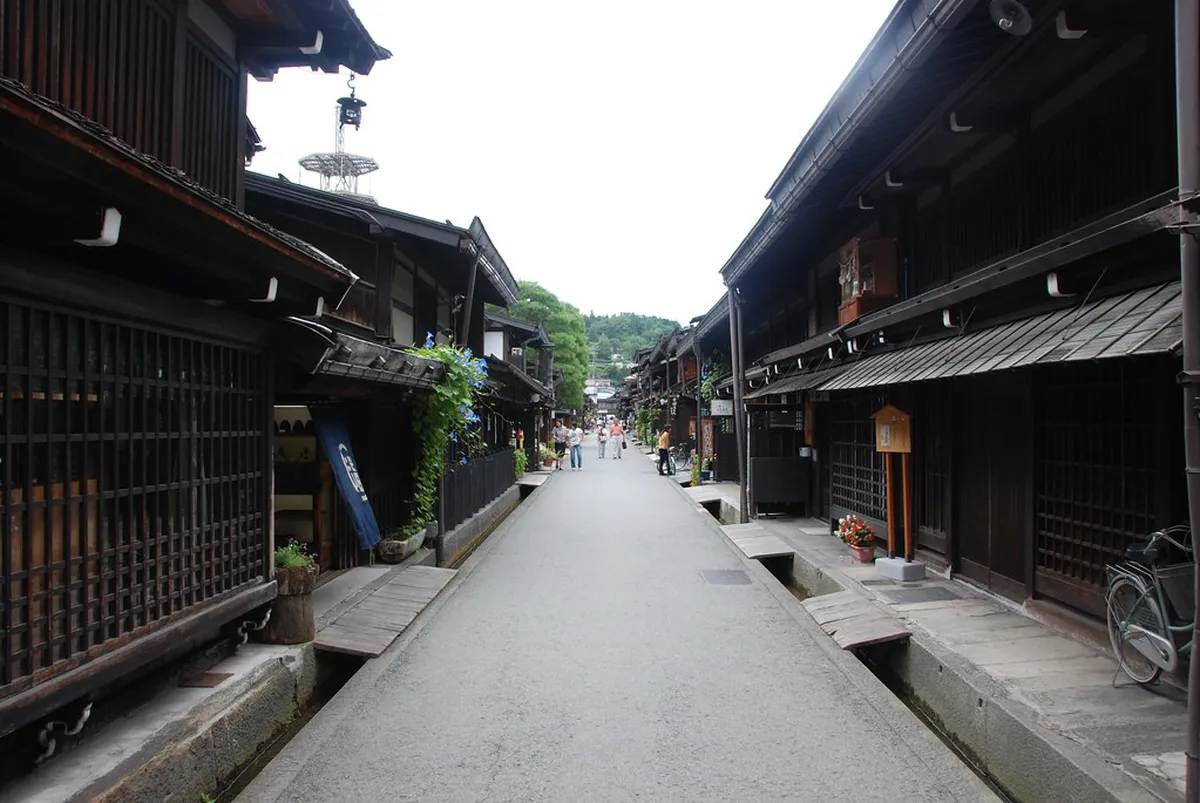
Table of Contents
Sanmachi Suji Walking Route for Winter Photography
Exploring Takayama in 2026 offers a unique look at Japan's rich history and traditional architecture during the winter. The Sanmachi Suji walking route for winter photography provides the best views of the preserved Edo-period district. This comprehensive guide helps you navigate the snowy streets to find the most iconic camera angles available. You will discover hidden corners and vibrant details that make Takayama truly special during the cold winter months.
A well-planned photography walk ensures you capture the contrast between black wooden walls and pure white snow. Many photographers visit this area to document the timeless beauty of the Gifu Prefecture mountain landscape in winter. You can follow a Takayama old town winter walking guide to find the best spots. This route covers the three main streets where the most traditional merchant houses are still standing today.
Mastering the Sanmachi Suji Walking Route for Winter Photography
For official information, visit Takayama travel info.
For practical details and last-minute changes, use Takayama travel info.
Begin your morning journey at the iconic Nakabashi Bridge which features a striking red color against the snow. This landmark serves as the perfect starting point for any photography excursion through the ancient Takayama streets. The bridge crossing the Miyagawa River offers wide views of the historic district and the surrounding snowy mountains. Capture the reflections of the red railings in the icy water for a truly classic Japanese winter scene.Walk toward the Kamisannomachi street area to enter the heart of the preserved merchant district during the early morning. These streets are filled with traditional shops that have remained unchanged for hundreds of years of local history. You will notice the intricate lattice work on the windows which creates beautiful patterns in the morning sunlight. The soft light of dawn helps highlight the textures of the old wood and the falling snow.
Focus your lens on the small details like the traditional lanterns hanging outside the many sake breweries nearby. These lanterns often collect a thick cap of snow that looks like a small white hat in photos. You can find many of the best sake breweries in Takayama old town as you walk this famous route. Each brewery has a unique cedar ball hanging above the door that signals new sake is ready.
Look for the narrow water channels that run along the sides of the streets to find interesting reflections. These channels still flow with cold water even during the peak of the winter season in Takayama city. The moving water prevents complete freezing and provides a dynamic element for your street photography compositions this year. Use a slow shutter speed to capture the motion of the water against the static snowy street.
Best Times for Winter Photography in Takayama
Arriving at Sanmachi Suji before 8:00 AM allows you to photograph the streets without any heavy tourist crowds. The shop owners usually begin to clear the snow from their entrances around this time in the morning. This activity provides an excellent opportunity to capture candid shots of daily life in a traditional Japanese town. The early morning air is often very crisp and clear which results in sharp and vibrant digital images.
Golden hour in the late afternoon transforms the wooden buildings into warm and glowing subjects for your camera lens. The setting sun hits the eaves of the houses at a low angle to create very long shadows. These shadows add depth and drama to the narrow streets of the historical Sanmachi Suji walking route today. Photographers often prefer this time of day because the light is much softer than the bright midday sun.
Blue hour occurs just after the sun sets and the street lanterns begin to glow with a warm orange. The deep blue sky provides a secondary color that perfectly complements the golden lights of the traditional shops. You will need a tripod for these shots because the light levels drop very quickly during the evening. The combination of blue light and orange glow creates a magical atmosphere throughout the entire old town district.
Winter evenings in Takayama are often quiet and peaceful which makes for a very relaxing photography experience for visitors. Most of the large tour groups leave the area by sunset to return to their hotels for dinner. This silence allows you to focus on the composition and technical aspects of your long exposure night photography. Ensure you check the Takayama winter weather guide 2026 before heading out for a night session.
Essential Photography Gear for Snowy Conditions
Protecting your camera from the moisture of falling snow is the most important task for any winter photographer. Use a dedicated rain cover or a simple plastic bag to keep your camera body and lens dry. Wipe away any stray snowflakes from the front of your lens with a clean microfiber cloth frequently. This prevents water spots from ruining your high-resolution images of the beautiful Sanmachi Suji street scenes today.
Batteries drain much faster in the cold weather of the Japanese Alps during the peak winter months of January. Keep your spare batteries in an inside pocket close to your body to maintain their warmth and charge. You should carry at least two extra batteries for a full day of shooting in the snowy streets. Switching batteries frequently ensures that you never miss a perfect shot due to a sudden power failure.
Wear warm gloves that offer enough dexterity to operate the small buttons and dials on your camera body. Many photographers use thin liner gloves underneath heavier mittens that can be flipped back for quick camera adjustments. Keeping your hands warm is essential for staying comfortable during several hours of walking through the old town. Frostbite can occur quickly if you are not careful about protecting your extremities from the freezing mountain air.
A sturdy tripod is necessary for capturing sharp images during the low light conditions of the winter evenings. Look for a tripod with spiked feet that can grip the icy surfaces of the Sanmachi Suji streets. Weighted bags can help stabilize your setup if the winter winds begin to blow through the narrow city alleys. Using a remote shutter release will also help prevent any camera shake during your long exposure photo sessions.
Hidden Details Along the Sanmachi Suji Route
⭐ Recommendation: Don't miss out on amazing Takayama tours - book now!
Look closely at the eaves of the houses to find the decorative family crests carved into the wood. These small details tell the story of the families who have lived and worked here for many generations. Many of these carvings are highlighted by the white snow that rests inside the deep wooden grooves today. Macro photography can capture these unique elements which are often overlooked by the average tourist walking by quickly.
The traditional "Sugi-dama" or cedar balls are a key feature of the local sake breweries found along the route. These balls turn from bright green to brown as the sake inside the brewery matures during the winter. Capturing the texture of the cedar needles covered in frost provides a very seasonal and local feel. These symbols are unique to this region of Japan and make for excellent cultural photography subjects this year.
Pay attention to the sliding doors and windows which are often made of paper and thin wood frames. The warm light from inside the shops glows through the paper to create a soft and inviting effect. This creates a cozy feeling that contrasts beautifully with the cold and snowy exterior of the winter streets. These scenes are perfect for capturing the essence of Japanese hospitality and traditional winter lifestyle in Takayama.
Find the small shrines tucked away between the larger buildings to discover more intimate and quiet photography locations today. These shrines are often decorated with colorful offerings that stand out against the neutral tones of the wood. Local residents still visit these spots daily to offer prayers and maintain the traditional customs of the town. Respectful photography of these moments provides a deeper look into the spiritual life of the Takayama community.
Frequently Asked Questions
When is the best month for snow photography in Takayama?
The best month for consistent snow is usually January or February. During this time, the snow is at its deepest and most picturesque for photography. You will find that most days offer the classic winter look you see in travel magazines.
Is the Sanmachi Suji area crowded during the winter?
The area is much quieter in winter than during the busy spring and autumn festivals. You should still arrive before 9:00 AM to avoid the local shop crowds. Evening sessions are also quite peaceful after most day-trippers have departed the city.
What are the typical costs for a photography tour in Takayama?
Most walking routes like Sanmachi Suji are completely free to access and explore at your own pace. You may want to budget around 2,000 yen for snacks and hot drinks at local cafes. Some historical merchant houses charge a small entry fee of about 500 yen.
The Sanmachi Suji walking route for winter photography offers an unforgettable experience for creative travelers in 2026. By following this guide, you can capture the timeless beauty of Takayama in its most magical season. Remember to stay warm and respect the local residents as you document their historic and snowy home. We hope your winter journey to Japan results in a stunning gallery of professional and artistic images.
Key Takeaways
- Arrive before 8:00 AM to photograph the streets without heavy tourist crowds.
- Keep spare batteries in your pockets to prevent them from dying in the cold.
- Use the red Nakabashi Bridge as a striking contrast against white winter snow.
- Wear layered gloves to maintain camera control while keeping your hands warm.
- Check the 2026 weather forecast to plan for optimal light and snow conditions.
Related reads: polarcityguide.com, takayama winter travel guide 2026, morning market opening hours in takayama winter.