
Traditional New Year Food in Tokyo: 2026 Guide
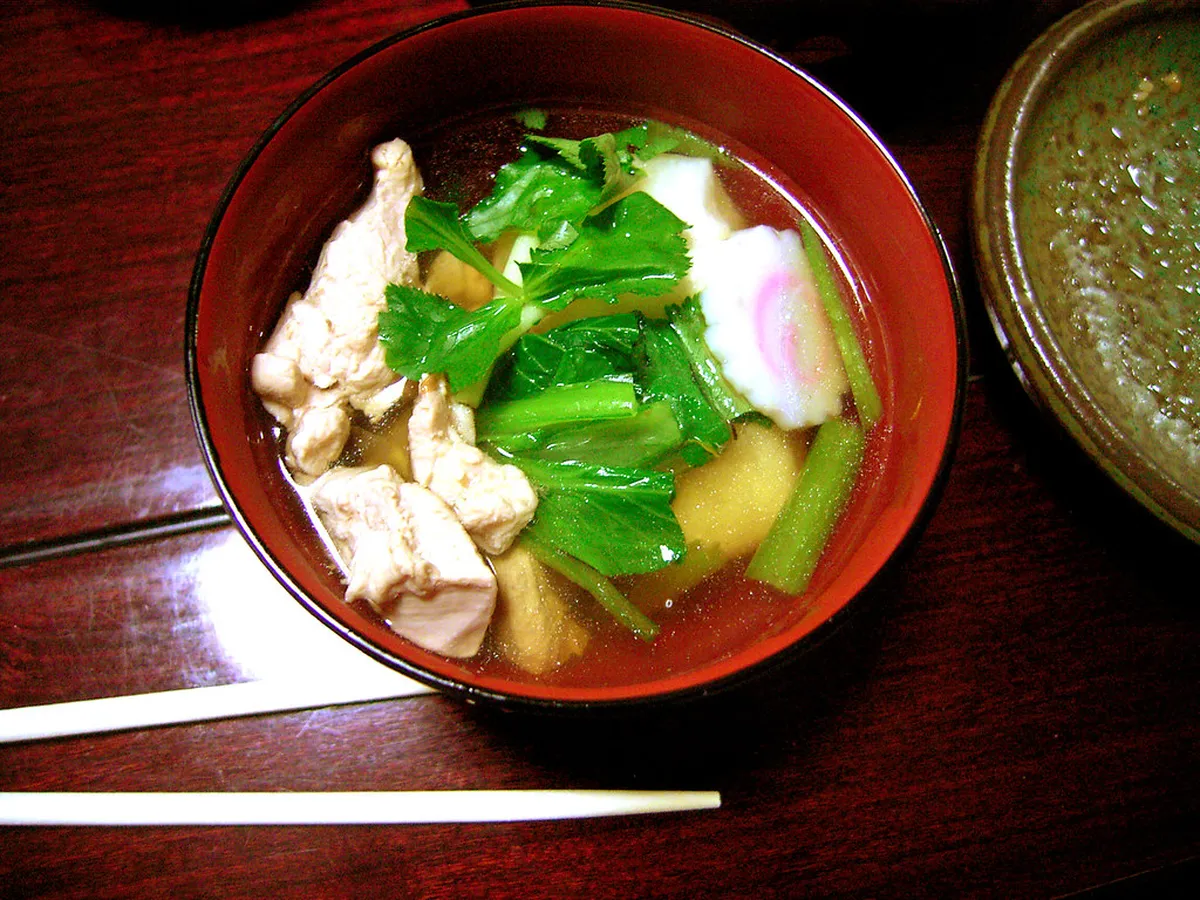
Table of Contents
Best Traditional New Year Food in Tokyo for 2026
Tokyo offers a unique culinary journey for every traveler visiting during the cold winter season. You will find incredible traditional New Year food in Tokyo during your exciting 2026 visit. This guide explores the deep meanings behind every seasonal dish you will likely encounter today. Eating these special meals brings good luck and great health for the coming new year.
Many local families gather together to share these beautifully prepared meals during the festive holiday. You should plan your food tour carefully to experience the best flavors in the city. Check our Tokyo winter travel guide 2026 for more helpful holiday planning tips. Let us explore the rich tastes and the deep history of a Japanese New Year.
The Meaning of Osechi Ryori
Osechi Ryori is the most important traditional New Year food in Tokyo for local families. These dishes are served in special stacked boxes called jubako that look very beautiful and elegant. Each item in the box has a specific meaning for the future of the entire family. Eating these foods ensures a lucky start to the year 2026 for everyone who joins in.
Black soy beans represent a wish for hard work and health throughout the whole new year. Sweetened chestnuts symbolize wealth and financial success for your family during the coming twelve months ahead. You will also find herring roe which represents fertility and many healthy children for the household. These ingredients are prepared to last for several days without spoiling in the cold winter air.
The boxes often include colorful fish cakes called kamaboko which are usually pink and white today. Red and white colors are used to represent celebration and purity according to old Japanese customs. You might also taste candied sardines for a bountiful future harvest in the coming growing season. Every bite connects you to many centuries of Japanese cultural history and deep religious traditions.
Modern Tokyo families often order these boxes from high-end department stores like Isetan or Mitsukoshi stores. You can see these beautiful displays in Ginza or Shinjuku shops during the busy holiday season. It is a convenient way to enjoy luxury food during the holidays without cooking for days. Prices vary greatly depending on the quality of the seafood and the reputation of the chef.
Toshikoshi Soba: The Year-Crossing Noodle
Eating Toshikoshi Soba is a mandatory tradition on New Year's Eve for almost every Tokyo resident. These buckwheat noodles are easy to cut with your teeth when you eat them at home. This act symbolizes cutting off the bad luck from last year to start fresh and new. You should finish your bowl before the clock strikes midnight to ensure your good luck continues.
The long shape of the noodles represents a long and healthy life for you and yours. Many people enjoy this meal at home with their close relatives before the temple bells ring. You can also find it at many Tokyo New Year's Eve events held across the city center. It is the most popular meal for the final night of the calendar year in Japan.
Soba is usually served in a hot and savory dashi broth with plenty of soy sauce. Toppings like green onions or tempura shrimp add extra flavor and a festive crunch to the dish. The warmth of the soup is perfect for the cold weather during the dark winter night. It provides a simple yet satisfying end to the calendar year for travelers and locals alike.
You will see long lines at popular soba restaurants throughout the afternoon and late evening hours. Many families choose to buy fresh noodles from the market to cook in their own warm kitchens. If you are staying in a hotel, check if the restaurant serves this traditional noodle dish. It is an experience you must try during your visit to Tokyo this winter season.
Warm Ozoni Soup Varieties
Ozoni is a traditional Japanese soup that people enjoy on the first day of the year. The Tokyo version of this soup features a clear broth made from high-quality dashi fish stock. It usually contains toasted mochi rice cakes and seasonal vegetables like fresh green spinach and carrots. The clear broth provides a light and refreshing flavor to start the brand new year 2026.
The mochi represents strength and endurance for the many challenges of the coming twelve months ahead. You must chew the sticky rice cakes very carefully while enjoying the hot and savory soup broth. Every family has their own secret recipe passed down through many generations in the local area. Some people add yuzu citrus peel for a bright and refreshing aroma in their morning soup.
Regional variations of this soup exist all over the many islands of the country of Japan. In Tokyo, you will usually find square-cut mochi that has been lightly toasted over a fire. This creates a wonderful contrast between the crispy exterior and the soft and stretchy white middle. It is a comforting meal that marks the official start of the festive holiday breakfast time.
You can find Ozoni served at some traditional cafes and luxury hotels during the first week. It is a rare treat that is usually only available during the first few holiday days. Trying this soup allows you to eat like a local resident during this very sacred time. Be sure to look for it on breakfast menus throughout the city during your winter stay.
Mochi and Rice Cake Customs
⭐ Recommendation: Don't miss out on amazing Tokyo tours - book now!
Mochi rice cakes are an essential part of the traditional New Year food in Tokyo celebrations today. You will see decorative stacks of rice cakes called kagami mochi in many homes and local businesses. These decorations feature a small bitter orange placed on top of two large white rice cakes. They represent a wish for the continuity of the family through the many coming years ahead.
The ritual of breaking the mochi occurs around the eleventh day of January in the new year. People use their hands or a hammer to avoid using sharp knives on the sacred rice. The broken pieces are then cooked in sweet red bean soup or a hot savory soup. This act symbolizes the opening of good fortune for the entire household during the whole year.
You can see live mochi pounding demonstrations at many local community festivals and large public shrines. These events use large wooden mallets and heavy mortars to create the smooth and stretchy rice dough. Fresh mochi is often served with sweet soy flour or savory soy sauce for the visitors. It is a fun and interactive part of the holiday season for children and adults.
Be careful when eating mochi because it is very sticky and can be hard to swallow safely. Take small bites and chew each piece thoroughly to enjoy the unique texture of the rice cake. Many shops sell flavored mochi filled with sweet bean paste or seasonal fruits like fresh strawberries. These sweet treats are perfect for a winter snack while you explore the city streets.
Where to Find Holiday Food
Department stores in Shinjuku and Ginza offer the best selection of festive holiday foods for everyone. You should visit the basement food halls to see the amazing variety of Osechi and sweets. Many restaurants in old districts like Asakusa serve special menus for the festive New Year holiday. Check our guide on what shops are open in Tokyo New Year for more details.
Prices for high-end Osechi boxes can range from 10,000 to 50,000 yen at the top stores. You can also find smaller versions at convenience stores like Lawson or Family Mart for less money. These options are great for travelers who want to taste the traditions on a smaller budget. Always look for the festive packaging to find the most authentic seasonal items in the store.
Many shrines and temples also set up food stalls during the first few days of January. You can buy hot snacks like grilled mochi or sweet amazake while you visit the shrines. These stalls provide a lively atmosphere and a chance to eat street food in the winter. It is a great way to experience the local culture in a very informal setting.
Reservations for famous restaurants during the New Year period should be made several weeks in advance. Many places close for a few days so you must check the operating hours very carefully. Some hotels offer grand buffet spreads that include all the traditional Japanese dishes for their guests. This is an easy way to try many different things in one single sitting.
Frequently Asked Questions
Where can I buy Osechi Ryori in Tokyo?
You can buy high-quality Osechi Ryori boxes at major department stores like Isetan or Mitsukoshi shops. Many luxury hotels in Tokyo also offer these festive meals for their guests to enjoy today. It is best to place your order several weeks before the holiday season begins in December. Some convenience stores sell smaller and more affordable versions for solo travelers and small families.
What is the meaning of Toshikoshi Soba?
Toshikoshi Soba symbolizes long life and cutting off the bad luck from the previous calendar year. The long noodles represent a wish for health and longevity for everyone who eats the dish. Cutting the noodles easily with your teeth means you are leaving the past year's troubles behind. You should eat this meal on New Year's Eve before the midnight bells start ringing.
Is it easy to find vegetarian New Year food?
Finding vegetarian versions of traditional dishes can be difficult because many use fish-based dashi broth. You should look for specialty shops or modern restaurants that offer plant-based versions of holiday meals. Some temples might serve vegetarian food but you must check their menus ahead of your visit. Always ask about the ingredients if you have specific dietary needs while dining in Tokyo.
What are the common drinks for the New Year?
Amazake is a very popular sweet and warm drink made from fermented rice during the winter. Shrines often serve this beverage to keep visitors warm during their midnight visits to the grounds. You might also try otoso which is a special medicinal sake for health and good fortune. Drinking this herbal wine is believed to protect your family from sickness for the entire year.
Traditional New Year food in Tokyo offers a wonderful way to experience the local culture and history. We hope this guide helps you find the most delicious dishes for your exciting 2026 trip. Plan your culinary adventure early to ensure you get a taste of every festive holiday meal. Enjoy the rich flavors and the meaningful traditions of a Japanese New Year celebration very soon.
Key Takeaways
- Osechi Ryori boxes contain many dishes with symbolic meanings for luck and health.
- Eat Toshikoshi Soba on New Year's Eve to cut off bad luck from the past.
- Visit department store basements in late December to find the best selection of food.
Related reads: polarcityguide.com, best shrines for hatsumode in tokyo, tokyo new year countdown party locations.