
Snowshoeing Trips in the Oslo Forest Area 2026 Guide
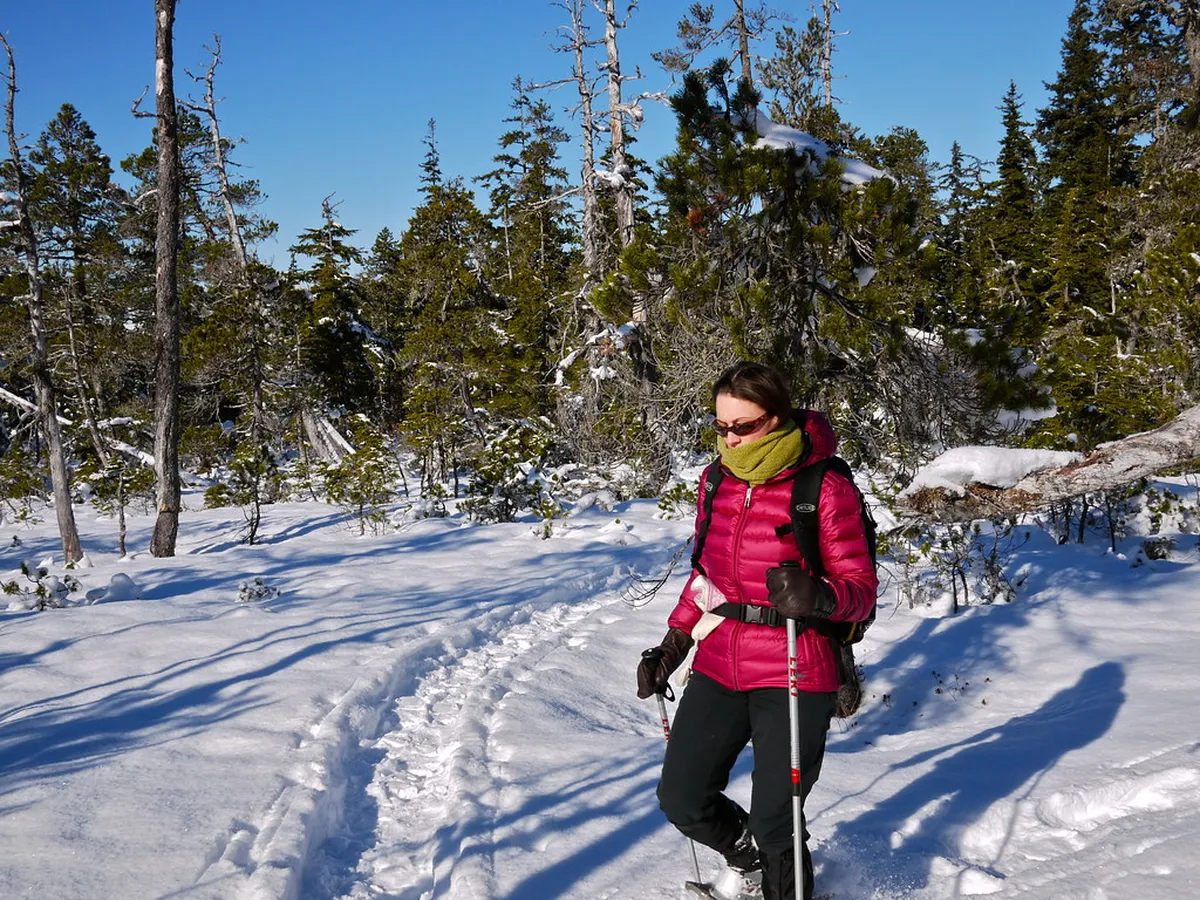
Table of Contents
Ultimate Guide to Snowshoeing Trips in the Oslo Forest Area 2026
Oslo transforms into a beautiful white wonderland during the colder months of the year. Snowshoeing trips in the Oslo forest area 2026 provide an escape into pure Norwegian nature. You can reach deep forests easily using the city's efficient public transport system. This guide covers everything you need for a successful and safe snowy hike.
The vast forest known as Oslomarka offers thousands of miles of pristine winter terrain. This activity is perfect for those who want to avoid crowded ski slopes. You can enjoy the silence of the woods while getting a great physical workout. Check our Oslo winter travel guide 2026 for more planning details.
Best Snowshoeing Trips in the Oslo Forest Area 2026
Nordmarka remains the most popular region for winter exploration near the capital city. You should start your journey at the Frognerseteren station for the best high-altitude views. The trails here wind through ancient pine trees and lead to cozy mountain cabins. Many visitors prefer this area because the paths are well-marked and easy to follow.
Sognsvann is another fantastic entry point for your 2026 snowshoeing adventure in Norway. The lake area offers flat terrain which is ideal for those trying snowshoes for the first time. You can walk around the water or head deeper into the forest for more challenge. This location is very accessible via the metro line five from the city center.
For a more secluded experience, consider exploring the hills of Lillomarka during your stay. This forest area sees fewer tourists than Nordmarka but offers equally stunning winter landscapes. You will find rugged terrain and beautiful viewpoints overlooking the city and the fjord. It is a great place to experience other winter activities in Oslo 2026.
Østmarka provides a unique landscape filled with small lakes and rocky ridges to explore. The snow here often lasts long into the spring season because of the dense forest cover. You can find several quiet spots to enjoy a thermos of hot cocoa in peace. Local hikers often recommend this area for its wilder and more natural atmosphere.
Essential Gear and Rental Options for 2026
You do not need to bring your own equipment for a successful snowshoeing trip. Several rental shops located near the forest entrances provide high-quality gear for all ages. Expect to pay around 250 to 400 NOK for a full day of rental. Most shops include adjustable poles which are very helpful for maintaining balance on slopes.
Proper clothing is vital for staying warm while moving through the deep Norwegian snow. You should wear wool base layers to keep your body temperature stable during the hike. Waterproof boots are also necessary to keep your feet dry in the soft powder. Always carry an extra warm jacket for when you stop to take a break.
Modern snowshoes are lightweight and feature metal crampons for extra grip on icy surfaces. Make sure to choose a pair that matches your weight and the snow conditions. Staff at rental centers can help you find the perfect fit for your specific needs. They will also show you how to secure the bindings properly for your boots.
Consider staying at one of the best Oslo winter hotels 2026 to be near the shops. Many hotels offer storage rooms for your gear and can assist with local rental bookings. This makes your logistical planning much easier during a short winter holiday in Norway. Always check the rental return times to avoid any late fees after your trip.
Guided Tours and Local Expert Tips
Booking a guided tour is a great way to discover hidden gems in the forest. Experienced guides know the best routes that are away from the common cross-country ski tracks. They often share interesting facts about the local wildlife and the history of the woods. You can find group tours that cater to different fitness levels and age groups.
A typical guided trip lasts between three and five hours depending on the chosen route. Most tours include a break at a traditional wooden cabin for a warm meal. You might enjoy some Norwegian waffles or a hearty soup while resting your legs. These breaks are excellent opportunities to meet other travelers from around the world.
Local experts suggest starting your hike early in the morning during the short winter days. The sun sets quickly in Oslo, so you want to maximize your time in daylight. Always check the local weather forecast before you head out into the deep forest area. Sudden changes in temperature or visibility can happen quickly in the Norwegian mountains.
Use a digital map or a GPS device to stay on the correct forest paths. While the trails are marked, fresh snow can sometimes hide the signs on the trees. Tell someone at your hotel where you are going and when you plan to return. This simple safety step ensures that help can be sent if you get lost.
Logistics and Transport to the Forest
🎯 Insider Tip: Discover the best Oslo experiences with Viator Tours!
Getting to the forest is very easy using the Oslo public transport system known as Ruter. You can use the T-bane metro lines to reach several major trailheads in minutes. A single ticket costs around 40 NOK and covers all your travel within the city. Download the Ruter app to check real-time departures and plan your specific journey.
The Holmenkollen line offers some of the most scenic views on your way to the forest. This train climbs high above the city and provides panoramas of the Oslo Fjord. Get off at the last stop to find yourself immediately at the edge of nature. You will see many locals carrying skis and snowshoes on the train with you.
If you prefer to drive, there are parking lots available at Sognsvann and Maridalen. However, these lots can fill up very quickly on sunny weekends during the winter. Using the metro is usually faster and much more sustainable for the local environment. Most forest entrances are located within zone one of the public transport network.
- Use the Metro Line 1 for Frognerseteren access.
- Take Metro Line 5 to reach the Sognsvann lake area.
- Bus number 51 goes directly to the Maridalen forest entrance.
- Trains to Grefsen provide easy access to the Lillomarka region.
Eating and Resting in Oslomarka
The forest is dotted with historic cabins that serve food and drinks to hikers. Places like Ullevålseter and Kobberhaughytta are popular destinations for a midday rest. You can buy hot coffee, fresh cinnamon buns, and traditional Norwegian snacks at these locations. Most cabins accept credit cards, but carrying some cash is always a good idea.
Sitting by a roaring fireplace in a wooden cabin is a highlight of the trip. These communal spaces offer a warm and friendly atmosphere for all winter explorers. You can dry your wet gloves and hats while you enjoy your lunch. It is a great way to experience the local culture of outdoor life.
Many hikers also choose to bring their own food for a snowy picnic. You can find designated fire pits where it is safe to build a small campfire. Grilling sausages on a stick is a classic Norwegian winter tradition for many families. Always make sure to extinguish the fire completely before you continue your forest hike.
Remember to carry enough water even though the weather is cold and snowy. You can become dehydrated quickly while walking through deep snow on a sunny day. Insulated water bottles are best because they prevent your drink from freezing in the cold. Small snacks like nuts and chocolate provide quick energy for the final forest stretches.
Frequently Asked Questions
Is snowshoeing difficult for beginners in Oslo?
Snowshoeing is very easy to learn and requires no previous experience. If you can walk, you can enjoy a snowshoe trip in the forest. Start on flat trails around Sognsvann to gain confidence before trying steeper hills.
What is the best month for snowshoeing in 2026?
February and March usually offer the best snow conditions in the Oslo forest area. During these months, the snow base is deep and the days are getting longer. You will enjoy more sunlight and more stable winter weather for your hike.
Are snowshoes required on all forest trails in winter?
You only need snowshoes if you plan to leave the groomed walking paths. They are essential for exploring deep powder or narrow trails through the trees. On packed main roads, regular winter boots may be sufficient for your walk.
Can I go snowshoeing at night in the Oslo forest?
Night snowshoeing is a magical experience but requires a powerful headlamp for safety. Some guided tours offer night trips to see the city lights from above. Always stay on familiar trails if you decide to explore the forest after dark.
Snowshoeing trips in the Oslo forest area 2026 offer an unforgettable way to see Norway. Whether you go alone or with a guide, the scenery will take your breath away. Remember to dress in warm layers and plan your route carefully before you start. The peaceful forest is waiting for you to discover its winter secrets this season. Enjoy your adventure in the beautiful hills surrounding the capital city.
Key Takeaways
- Use the T-bane metro for easy and cheap access to forest trailheads.
- Rent modern equipment from local shops to ensure safety on the snow.
- Visit traditional forest cabins for a warm Norwegian waffle and coffee break.
Related reads: polarcityguide.com, best places for ice skating in oslo 2026, where to go cross country skiing in oslo 2026.