
Traditional Norwegian Christmas Food in Oslo Markets 2026
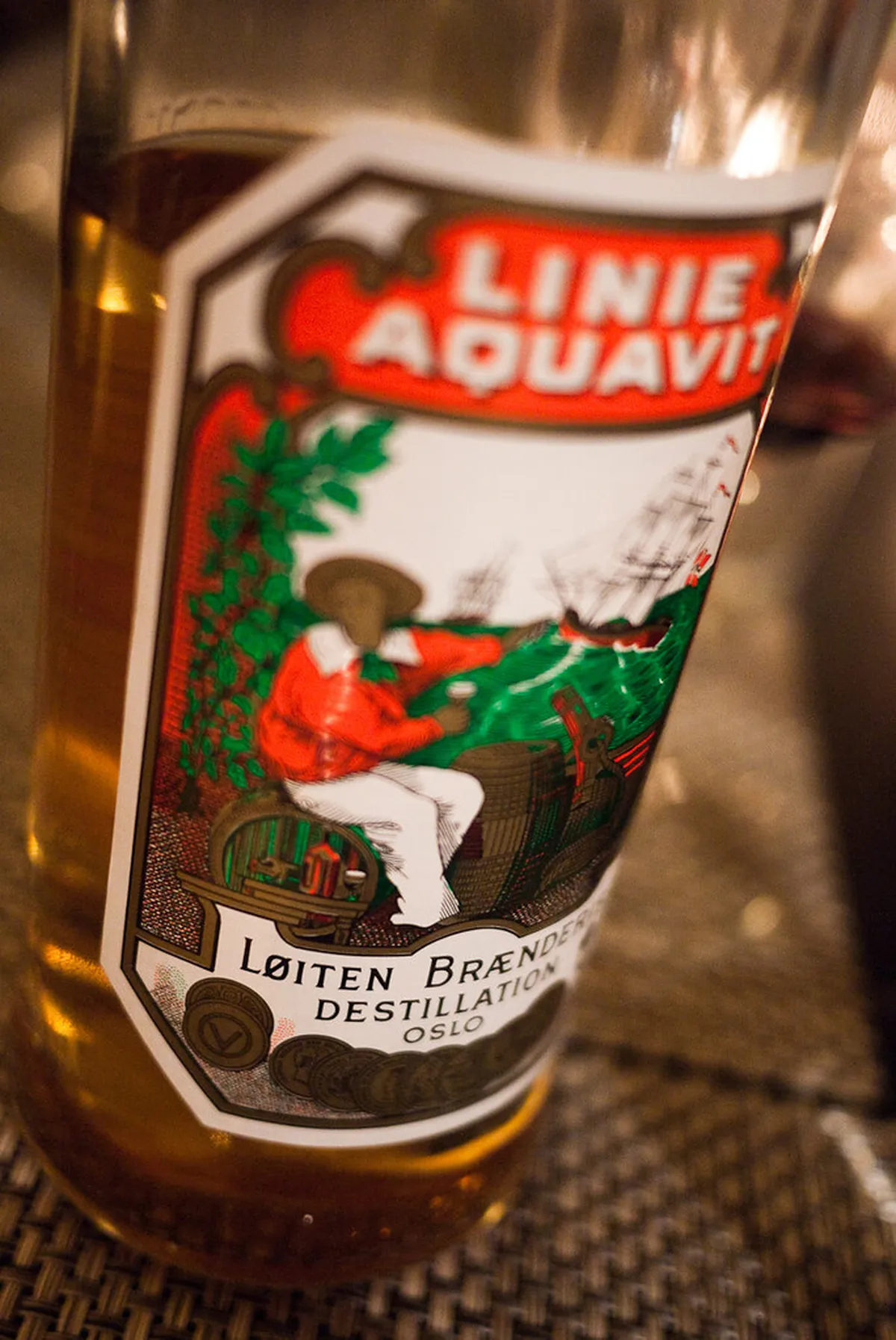
Table of Contents
Discover Traditional Norwegian Christmas Food in Oslo 2026
Traditional Norwegian Christmas food in Oslo markets 2026 offers a unique culinary adventure for every traveler. The city transforms into a festive wonderland during the cold December months. You can smell the roasted almonds and spiced wine across the snowy streets. These markets showcase the best local ingredients and time-honored recipes from Norway.
Visiting the capital during the winter season is an experience for your taste buds and soul. Locals gather at these markets to share meals and celebrate the holiday spirit together. You will find a wide variety of savory dishes and sugary treats at every corner. This guide helps you navigate the best food options available in the city center.
You should plan your culinary journey before arriving at the busy market squares in 2026. Each stall offers something special that reflects the deep history of Norwegian holiday traditions. From salted meats to creamy puddings, the variety of flavors will surely impress you. Refer to our Oslo Christmas markets 2026 guide for complete market locations.
Savoring Pinnekjøtt and Ribbe at Winter Stalls
Pinnekjøtt is a staple dish you must try while visiting the Oslo markets in 2026. This meal consists of salted and dried lamb ribs that are steamed over birch branches. The meat becomes incredibly tender and carries a distinct smoky flavor from the wood. Most stalls serve it with mashed rutabaga and boiled potatoes for a complete meal.
Ribbe remains another heavy favorite for many Norwegians during the festive winter season. These are roasted pork ribs with a thick layer of crispy crackling on top. The contrast between the juicy meat and the crunchy skin is truly remarkable. You can often find smaller portions served in paper cones for easy walking and eating.
Expect to pay between 150 to 250 NOK for a generous portion of these hot meats. Most vendors prepare the food fresh throughout the day to ensure the best possible quality. The rich fats in these dishes help keep you warm while exploring the outdoor stalls. These savory meals represent the heart of a traditional Norwegian Christmas dinner celebration.
Many stalls also offer local sausages made from reindeer or elk meat for adventurous eaters. These game meats provide a lean and flavorful alternative to the traditional pork and lamb dishes. They are usually served with lingonberry jam to add a hint of sweetness to the meal. You should look for vendors that specialize in mountain farm products for the best quality.
Sweet Treats: Risgrøt and Pepperkaker in Oslo
Risgrøt is a warm rice porridge that locals enjoy throughout the month of December. This creamy dish is topped with a large dollop of butter and ground cinnamon. Many people also sprinkle extra sugar on top to enhance the comforting flavor of the meal. It is a perfect snack for children and adults who want something light yet filling.
Look for the hidden almond inside your bowl of porridge for a fun holiday tradition. Finding the nut usually rewards the lucky eater with a small marzipan pig as a prize. This simple game brings a lot of joy to families eating at the market tables. It is one of the most affordable food options available at the festive stalls.
Pepperkaker or gingerbread cookies are everywhere you look during the Christmas season in Oslo. These thin and spicy cookies are often shaped like hearts, stars, or little gingerbread people. Many markets display large gingerbread houses that are decorated with colorful candies and white icing. You can buy bags of these cookies to enjoy while walking through the market.
You might also encounter Goro and Krumkaker, which are traditional Norwegian waffle-like cookies. These treats are thin, crispy, and often rolled into a cone or cigar shape. They are made using special decorative irons that leave beautiful patterns on the golden surface. Most vendors bake them fresh on-site so you can enjoy them while they are still warm.
Warming Up with Gløgg and Local Beverages
Gløgg is the essential beverage to keep your hands warm while browsing the market stalls. This spiced drink is usually made from red wine or a non-alcoholic fruit juice base. It is heated with cloves, cinnamon, and ginger to create a soothing and aromatic winter treat. Most vendors serve it in small cups with raisins and slivered almonds at the bottom.
You can find alcoholic versions of this drink at the larger Jul i Vinterland Oslo event schedule locations. These versions often include a splash of aquavit or vodka for an extra warming kick. Always remember to bring your identification if you plan to enjoy the alcoholic varieties. The non-alcoholic version is equally delicious and very popular among younger visitors and drivers.
Juleøl is the special Christmas beer that local Norwegian breweries release specifically for the holiday season. These beers are typically darker and stronger than the standard lagers found throughout the year. They feature notes of malt, caramel, and spices that pair perfectly with heavy meat dishes. You can find these at indoor market bars or dedicated beverage stalls.
Hot chocolate topped with whipped cream is another excellent choice for those who prefer sweeter drinks. Many stalls use high-quality Norwegian chocolate to create a rich and velvety drinking experience. You can also find warm apple cider infused with local spices at several different market locations. These drinks provide the perfect energy boost for a long evening of festive shopping.
Fresh Norwegian Seafood and Market Delicacies
🎯 Insider Tip: Discover the best Oslo experiences with Viator Tours!
Seafood plays a major role in the Norwegian diet even during the cold winter months. You will find stalls selling exquisite smoked salmon and gravlax prepared with local herbs. These fish products are often served on thin slices of rye bread with mustard sauce. The quality of the seafood in Oslo is exceptional because of the nearby coastal waters.
Lutefisk is a more adventurous seafood option that you might encounter at some market food stalls. This dish consists of dried whitefish that has been treated with lye to create a jelly-like texture. It is usually served with bacon bits, mashed peas, and plenty of melted butter. While it has a strong smell, many locals consider it a true delicacy.
Rakfisk is another traditional dish made from fermented trout that is popular during the Christmas season. It has a very strong and distinct aroma that may be surprising for first-time visitors. People typically eat it with flatbread, sour cream, and raw onions to balance the flavors. You should try a small sample before committing to a full portion of this dish.
Fried herring is a common snack that you can eat while walking through the festive markets. The fish is coated in flour and spices before being fried to a golden brown. It is often served with a side of pickled cucumbers and a slice of bread. This snack is both healthy and satisfying for a quick lunch on the go.
Best Food Markets for Festive Dining in 2026
Jul i Vinterland is the largest and most famous Christmas market located in the heart of Oslo. It features a massive selection of food stalls offering everything from moose burgers to sweet crepes. The atmosphere is electric with bright lights and a large Ferris wheel in the background. This market is perfect for those who want to see all the options in one place.
Hadeland Glassverk offers a more traditional and rustic food experience just a short trip from the city. Here you can find artisanal cheeses, cured meats, and homemade jams from local Norwegian farms. The setting is very cozy and focuses on the high quality of regional food products. It is an excellent place to buy edible gifts for your friends and family.
The Christmas Market at Youngstorget is known for its large heated tents and diverse food selections. You can sit inside and enjoy your meal while staying shielded from the falling winter snow. This market often features more modern takes on traditional Norwegian dishes for a unique twist. It is a favorite spot for locals to meet after work for a festive dinner.
Norsk Folkemuseum hosts a beautiful historical market during the first two weekends of December. You can see how food was prepared in different centuries across Various regions of Norway. It offers a very authentic look at the culinary history of the country during Christmas. The traditional flatbread baked over an open fire is a must-try item at this location.
Frequently Asked Questions
Is traditional Norwegian Christmas food in Oslo expensive?
Prices at the markets vary depending on the type of dish you choose to eat. Savory meat dishes like Pinnekjøtt usually cost between 150 and 250 Norwegian Krone per serving. Smaller snacks and sweet treats are much more affordable for budget travelers in 2026. You should expect to spend around 400 Krone for a full meal and drink.
Are there vegetarian options available at Oslo Christmas markets?
Most markets in Oslo now offer a variety of vegetarian and vegan food choices. You can find roasted nuts, meat-free sausages, and hearty vegetable soups at many stalls. Sweet treats like rice porridge and gingerbread are also excellent vegetarian options to enjoy. Always ask the vendor about specific ingredients if you have dietary restrictions or allergies.
What time do the food stalls usually open and close?
Food stalls generally open around 10:00 or 11:00 in the morning every day. They typically stay open until 20:00 or 21:00 in the evening during the peak season. Weekend hours might be slightly longer to accommodate the larger crowds of tourists and locals. You should check the official market websites for specific daily schedules before you visit.
Can I pay with a credit card at the market stalls?
Norway is a very digital society and almost every vendor accepts credit or debit cards. You can even pay for small items like a single cookie using contactless payment methods. Carrying a small amount of cash is rarely necessary but can be helpful for small tips. Most stalls also accept mobile payment apps that are popular within the Scandinavian region.
The traditional Norwegian Christmas food in Oslo markets 2026 provides a wonderful way to experience local culture. Every bite tells a story of survival and celebration in the beautiful northern climate. Make sure to try a mix of savory meats and sweet pastries for the best experience. We hope this Oslo winter travel guide helps you enjoy your festive holiday feast!
Key Takeaways
- Try Pinnekjøtt and Ribbe for a truly traditional Norwegian savory experience.
- Warm up with a cup of spiced Gløgg while exploring the outdoor stalls.
- Look for the lucky almond in your Risgrøt to win a marzipan pig.
- Most vendors in Oslo markets accept credit cards for all food purchases.
- Visit Jul i Vinterland for the widest variety of festive food options.
Related reads: polarcityguide.com, spikersuppa christmas market opening dates 2026, handmade souvenir shopping at oslo christmas markets.