
Can You See Aurora Borealis in Stavanger?
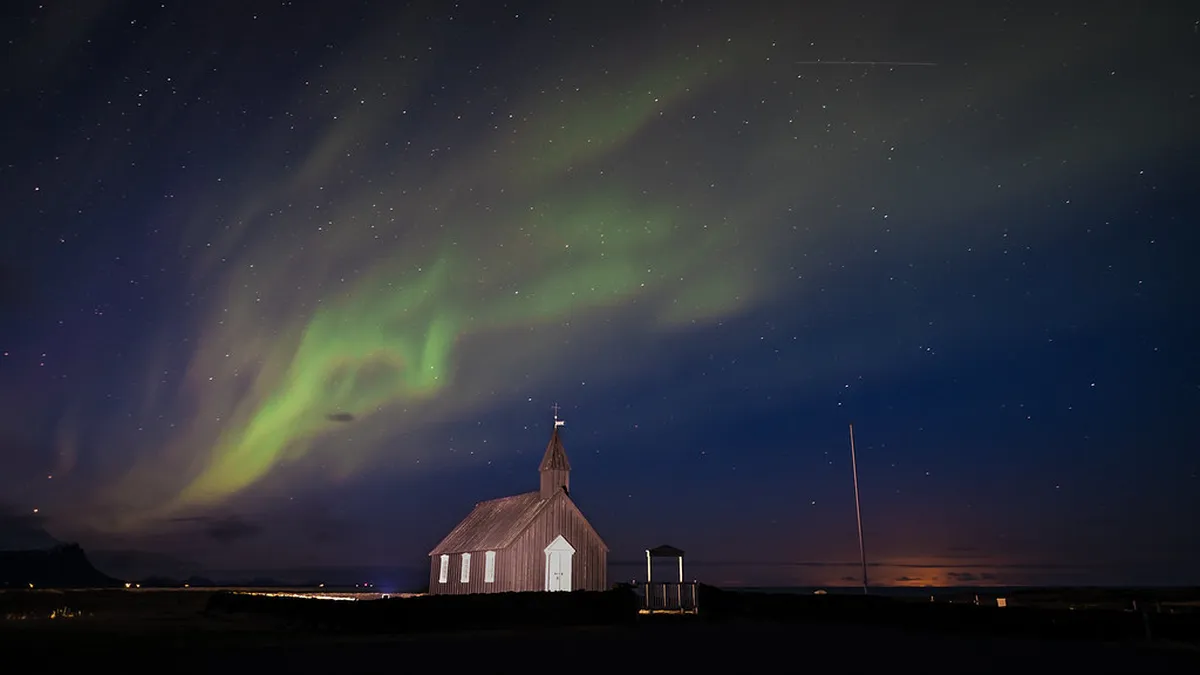
Table of Contents
Viewing the Northern Lights in Stavanger in 2026
Can you see Aurora Borealis in Stavanger during your upcoming winter holiday in 2026? Many travelers ask this before visiting the southwestern coast of Norway. The city offers many beautiful landscapes for lucky sky hunters to enjoy. You must understand how geography impacts your chances of seeing this natural light show.
Stavanger sits at a latitude of fifty-eight degrees north which is far below the arctic circle. This location means the lights appear less frequently here than in northern cities like Tromsø. However, strong solar activity can bring the green glow to the southern Norwegian skies. You need clear weather and high solar energy to witness the event here.
Aurora Visibility in Southern Norway
To plan your trip, review Stavanger travel info.
For the most up-to-date details, check Stavanger travel info before you go.
Seeing the aurora in Stavanger requires a specific set of natural conditions to align perfectly. The lights typically hover over the arctic circle during most of the cold winter season. A powerful solar storm must push the auroral oval further south toward the Rogaland region. These events happen several times each month during periods of high solar activity.Scientists predict that 2026 will be an excellent year for viewing the lights in southern Norway. The sun is currently near its solar maximum which creates more frequent and intense solar flares. These flares send charged particles toward earth and trigger the vibrant colors in our atmosphere. You should check the solar activity levels daily during your visit to the city.
Light pollution is another major factor that determines your success in seeing the northern lights. Stavanger is a modern city with many streetlights and buildings that brighten the night sky. You must escape the city center to find a dark enough spot for viewing. Even a faint aurora can be visible if you find a location with total darkness.
Best Months for Viewing in 2026
Timing your trip is crucial if you want to see the lights in southern Norway. The best viewing window runs from late September until the beginning of April each year. During these months, the nights are long and dark enough to see the celestial display. The winter solstice in December provides the maximum hours of darkness for your hunt.
Many travelers prefer visiting in March or October due to the equinox effect on solar energy. Scientists have noticed that aurora activity often peaks during these two specific times of the year. The weather in Stavanger is also slightly milder during these months compared to mid-winter. You can find more details in our Stavanger winter travel guide 2026 for planning.
You should avoid visiting during the summer months if your main goal is the aurora. The sun barely sets in southern Norway during June and July each summer season. This constant daylight makes it impossible to see any stars or northern lights in the sky. Stick to the darkest months to maximize your chances of witnessing this magic.
Top Coastal Spots Near Stavanger
Finding the right location is the most important step for any aurora hunter in Rogaland. You need an unobstructed view of the northern horizon to see the distant glow. Coastal areas are ideal because they offer wide views over the dark North Sea. The ocean provides a flat horizon without mountains blocking your line of sight.
Tungenes Lighthouse is one of the most popular places for locals to watch the night sky. It is located at the northern tip of the Randaberg peninsula near the city. This spot has very little light pollution and offers a clear view toward the north. You can reach this beautiful lighthouse in about twenty minutes by car from downtown.
Solastranden beach is another fantastic option for those looking to photograph the dancing green lights. The wide sandy beach allows you to capture reflections of the aurora in the tide pools. Check our list of best spots to see northern lights near Stavanger for more ideas. Always dress warmly because the coastal wind can feel very cold at night.
Pro Tip: Bring a sturdy tripod if you want to take high-quality photos of the lights. The camera needs a long exposure time to capture the faint colors of the aurora. Safety Reminder: Always tell someone your location before heading out into the dark Norwegian coastal areas.
How to Prepare for Your Aurora Hunt
🎯 Insider Tip: Discover the best Stavanger experiences with Viator Tours!
Success in finding the northern lights depends heavily on your preparation and local knowledge. You should download specialized mobile applications that track solar wind and geomagnetic activity levels. These tools provide real-time data about the likelihood of an aurora appearing in your area. Look for northern lights forecast apps for Stavanger Norway to stay informed.
The Kp-index is the most important number you need to monitor during your night watch. For Stavanger, you usually need a Kp-index of five or higher to see the lights. A lower index might only show a faint glow on the very edge of the horizon. High numbers indicate a stronger storm that could bring colors directly overhead.
Monitoring the cloud cover is just as important as tracking the actual solar activity. Even the strongest solar storm cannot be seen through a thick layer of winter clouds. Use local weather websites to find areas with clear skies along the southwestern coast. Sometimes driving just thirty minutes inland can lead you away from coastal fog and clouds.
- Pack extra batteries for your camera and phone because cold weather drains them quickly.
- Wear wool base layers and a windproof jacket to stay warm while waiting outside.
- Bring a thermos with hot coffee or tea to keep your spirits high during the wait.
- Use a headlamp with a red light mode to preserve your night vision in the dark.
Frequently Asked Questions
Can you see Aurora Borealis in Stavanger every night?
No, the aurora is not visible every night in the southern part of Norway. You need a combination of clear skies and high solar activity to see them. Most nights are too quiet or too cloudy for the lights to appear here. Planning a longer stay increases your odds of catching a successful viewing window.
What time of night is best for seeing the lights?
The best time to look for the aurora is usually between 10 PM and 2 AM. This period typically offers the darkest skies and the highest chance of geomagnetic activity. However, the lights can appear any time after sunset if the solar storm is strong. Patience is key when waiting for the lights to show themselves.
Do I need a car to see the aurora in Stavanger?
Yes, having a car is highly recommended for aurora hunting in the Rogaland region. Most of the best viewing spots are located outside the reach of public transportation. A car allows you to move quickly to areas with clearer skies or less light. You can also stay warm inside the vehicle while waiting for the activity.
Witnessing the northern lights in Stavanger is a rare but truly unforgettable experience for any visitor. While the city is far south, the solar maximum of 2026 offers your best chance. Focus on finding dark coastal spots and monitoring the Kp-index during your winter stay. We hope this guide helps you find the magic in the Norwegian night sky soon.
Key Takeaways
- Aim for a Kp-index of 5 or higher for visibility
- Visit between late September and early April for darkness
- Drive to coastal lighthouses to escape city light pollution
- Use real-time forecast apps to track solar storm activity
Related reads: polarcityguide.com, northern lights in stavanger.