
Stavanger Winter Weather Guide: 2026 Travel Tips
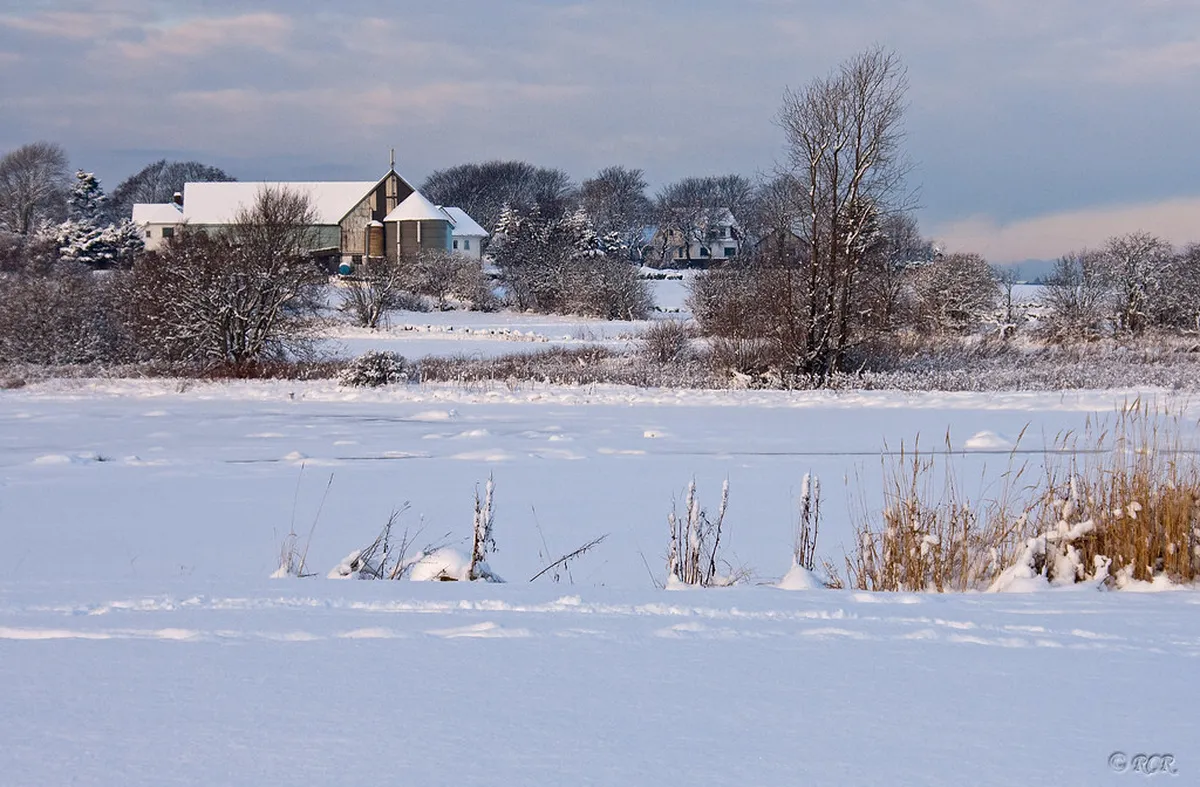
Table of Contents
Ultimate Stavanger Winter Weather Guide for 2026
Stavanger offers a unique winter experience for travelers in 2026. The city sits on the beautiful southwest coast of Norway. This Stavanger winter weather guide helps you prepare for your journey. You will find mild temperatures compared to inland areas. Expect plenty of moisture and changing conditions throughout the day. Coastal winds play a big role in how the cold feels. This article covers everything you need to know for a great trip.
Many people assume that all of Norway is frozen during the winter. However, Stavanger benefits from its coastal location and the North Atlantic Current. This current brings warmer water from the south toward the Norwegian shores. As a result, the city avoids the extreme sub-zero temperatures found elsewhere. You can enjoy outdoor activities without facing life-threatening arctic cold. Proper planning is still required to handle the damp and windy environment.
Temperature Trends in Stavanger Winter
Winter in Stavanger is surprisingly mild for such a northern latitude. Average temperatures usually stay between zero and five degrees Celsius. January often becomes the coldest month for visitors in the city. You can check the Stavanger winter travel guide 2026 for detailed monthly forecasts. Frost is common during the clear nights when the sky is open. However, daytime highs rarely stay below freezing for very long.
The coastal climate ensures that temperatures remain stable throughout the season. You will rarely see the thermometer drop below minus five degrees Celsius. This makes city walking much more pleasant than in the mountains. The humidity can make the air feel colder than it actually is. Wear wool base layers to keep your body heat close to your skin. Local cafes offer warm spaces to escape any sudden temperature drops.
February often brings the most consistent cold weather to the region. The ground has cooled down after several months of shorter days. You might experience crisp, sunny days with beautiful clear blue skies. These days are perfect for exploring the historic streets of Gamle Stavanger. Public transport remains very reliable even when the temperatures do fall. A single bus ticket costs about forty-five Norwegian Krone in the city center.
Staying near the harbor provides the mildest temperatures in the entire area. The ocean acts as a giant radiator for the surrounding buildings. Inland areas just a few kilometers away can be several degrees colder. Consider booking hotels near the water to stay slightly warmer at night. Most local buildings have excellent insulation and high-quality heating systems. You will always find a cozy atmosphere inside the local shops.
Snowfall and Precipitation Expectations
Rain is much more common than snow in Stavanger during winter. The city receives significant precipitation from the North Atlantic Ocean. You should prepare for wet days during your visit in 2026. Most rainfall occurs in short bursts rather than lasting all day. Understanding how often does it snow in Stavanger is very helpful. Snow often melts within hours because of the salty sea air.
Snow usually appears as a light dusting on the cobblestone streets. It creates a magical atmosphere in the old town area for photos. If you want deep snow, you must travel to higher elevations. The mountains around the city hold snow much longer than the coast. Sirdal is a popular destination for skiing just two hours away. Bus tours frequently depart from the city center to the ski resorts.
Waterproof gear is the most important part of your winter equipment. A heavy down jacket might get too wet in a rainstorm. Choose a high-quality hardshell jacket to block the rain and wind. Rain pants are also useful if you plan on hiking nearby. Stavanger receives about one hundred millimeters of rain during average winter months. This moisture keeps the surrounding landscape surprisingly green all year long.
Icy sidewalks can be a hazard after a rain shower. The water freezes quickly when the sun goes down at night. Local authorities usually spread gravel on the paths to provide extra grip. You should wear boots with thick rubber soles for better stability. Many shops sell clip-on ice spikes for your shoes if needed. These small tools make walking on frozen surfaces much safer and easier.
Daylight Hours and Sun Exposure
Winter days in Norway are quite short but often very beautiful. In December, the sun rises late and sets very early. You will experience roughly six hours of daylight during mid-winter. Reviewing the daylight hours in Stavanger during december is essential for planning. The sun stays low on the horizon throughout the entire day. This creates a long, soft light that photographers absolutely love.
The "blue hour" occurs twice a day in the Norwegian winter. This period provides a deep blue glow before sunrise and after sunset. It is the perfect time to visit the harbor for pictures. The city lights reflect beautifully on the dark water of the fjord. Street lamps and Christmas decorations add a festive feel to the darkness. You will find that the city remains active despite the lack of sun.
Sunrise usually happens around nine-thirty in the morning during late December. Sunset follows quickly at approximately three-thirty in the afternoon. You must plan your outdoor activities during these core daylight hours. Most museums and indoor attractions stay open until late in the evening. This allows you to explore the culture after the sun goes down. Shopping centers also provide bright and warm environments for evening walks.
Cloud cover can further reduce the amount of visible light you see. Overcast days are common during the wet winter months in Stavanger. However, the clouds often break to reveal stunning colorful sunset skies. The low sun can be very bright when it finally appears. Bring a pair of sunglasses to help with the low-angle glare. This is especially important if you are driving around the region.
Wind Conditions and Coastal Storms
🎯 Insider Tip: Discover the best Stavanger experiences with Viator Tours!
Coastal winds are a defining feature of the Stavanger winter season. Strong breezes often blow directly in from the North Sea. These winds can make five degrees feel like minus five degrees. You should check wind speeds and winter storms in Stavanger 2026 daily. Stormy weather creates dramatic waves along the rocky Atlantic coastline. It is a powerful sight to witness from a safe distance.
The wind often changes direction multiple times during a single day. Locals refer to this unpredictable weather as having a strong character. You might start your walk in calm air and finish in a gale. Always check the local weather app called Yr before heading out. It provides highly accurate forecasts for specific neighborhoods in the city. Understanding the wind direction helps you choose the best walking paths.
Storms occasionally cause minor delays for the local ferry services. The boats that travel into the Lysefjord are built for these conditions. However, very high winds might lead to temporary cancellations of tours. Most companies offer refunds or rescheduling if the weather becomes too rough. Always have a backup plan for indoor activities on stormy days. The Stavanger Oil Museum is a fantastic place to visit during rain.
The city center is somewhat protected by the surrounding hills and islands. Narrow streets in the old town help to block the strongest gusts. You will feel the wind much more at the coastal beaches. Sola Beach is a popular spot to watch the winter storms. Just be sure to wear a windproof hat and gloves. Protecting your ears from the cold wind is very important here.
Packing Guide for Stavanger Winter
Proper clothing is the key to enjoying your time in Stavanger. You must use a layering system to stay dry and warm. Start with a thin wool base layer against your skin. Add a thick wool sweater or a fleece jacket over that. Follow our detailed Stavanger winter packing list for the best gear. A waterproof outer shell is your most important piece of clothing.
Cotton clothing should be avoided during the Norwegian winter months. Cotton absorbs moisture and takes a very long time to dry. Wool is the preferred material for locals because it stays warm when wet. You can find high-quality Norwegian wool sweaters in local gift shops. These make excellent souvenirs and will keep you warm for years. Expect to pay about one thousand Krone for a genuine sweater.
Footwear must be waterproof and have a very sturdy sole. The streets are often wet or covered in slushy melting snow. Leather boots with a Gore-Tex lining are ideal for this climate. Make sure your boots have enough room for thick wool socks. Tight shoes will restrict blood flow and make your feet feel cold. Bring an extra pair of shoes in case one gets wet.
Umbrellas are often useless against the strong Stavanger coastal winds. They frequently flip inside out or break during heavy winter gusts. A good rain hat or a sturdy hood is much more effective. Small details like warm scarves and waterproof gloves make a difference. Pack a small backpack to store layers as you move indoors. Indoor heating is usually very strong in Norwegian shops and restaurants.
Frequently Asked Questions
🌟 Local Expert Tip: Get the most out of your Stavanger visit with guided tours!
Is Stavanger too cold to visit in January?
Stavanger is not too cold for most travelers during the winter. The average temperature stays around two degrees Celsius in January. You will experience a damp cold rather than an arctic freeze. Proper waterproof clothing makes the weather very easy to manage. Most people find the climate quite comfortable for walking and sightseeing.
Does it snow a lot in Stavanger city center?
Heavy snow is rare in the center of Stavanger city. Most precipitation falls as rain or sleet due to the ocean. You might see a few centimeters of snow several times a winter. It usually melts within a day or two of falling. If you want snow, visit the nearby mountains or ski resorts.
What should I wear for a winter fjord tour?
You should wear several warm layers for any winter fjord tour. The wind on the water is much colder than in the city. Bring a windproof jacket, a warm hat, and thick gloves. Most tour boats have heated indoor cabins for your comfort. You can step outside for photos and then warm up inside quickly.
Stavanger is a wonderful winter destination for those who enjoy dramatic nature. The Stavanger winter weather guide shows that the climate is mild but wet. You should focus on bringing waterproof gear and warm wool layers for 2026. The short daylight hours create a cozy atmosphere in the city streets. Explore the local culture and enjoy the beautiful blue light of the north. Plan your trip today and experience the magic of the Norwegian coast.
Key Takeaways
💡 Pro Tip: Book your Stavanger adventures in advance through Viator for the best deals!
- Expect mild temperatures between 0°C and 5°C throughout the winter.
- Pack high-quality waterproof jackets instead of heavy down coats.
- Prepare for only six hours of daylight during the month of December.
- Use wool base layers to stay warm in the damp coastal air.
- Check local weather apps daily for wind and storm updates.
Related reads: polarcityguide.com, best winter activities in stavanger.