
Photography Guide for Tromsø Winter Landscapes
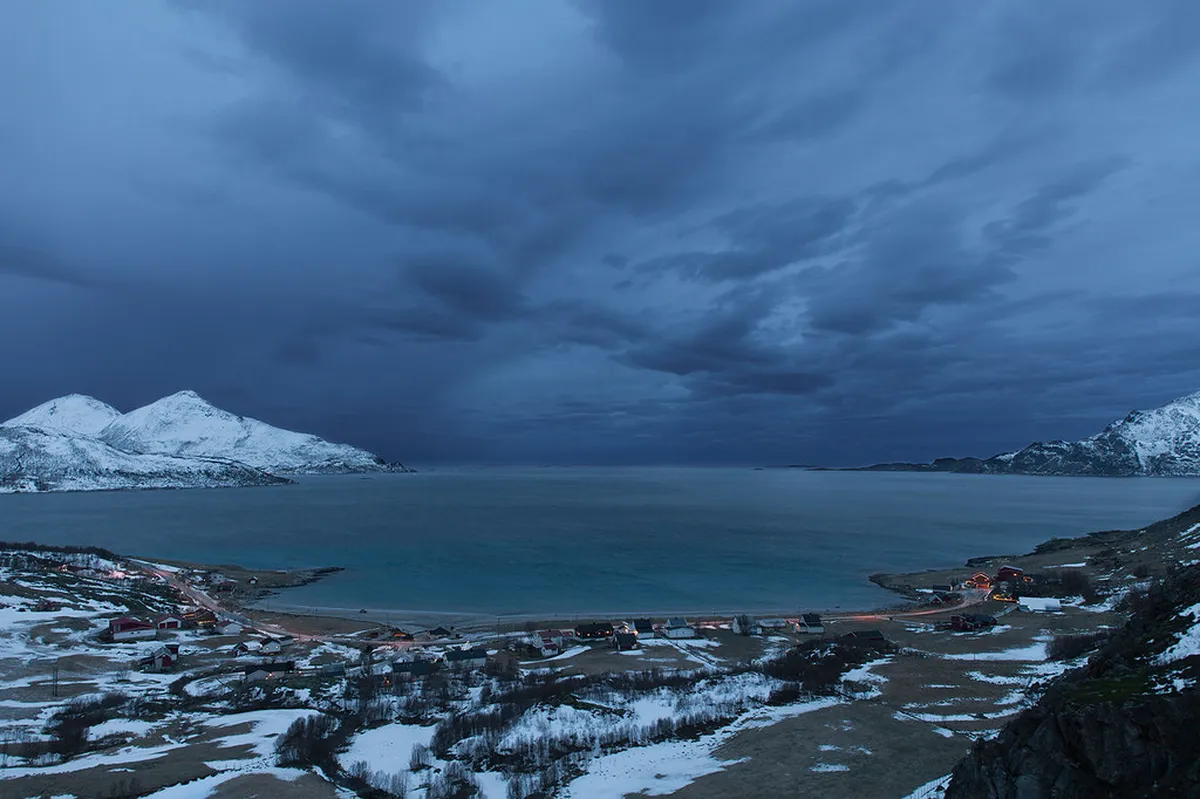
Table of Contents
Top Photography Guide for Tromsø Winter Landscapes 2026
Tromsø offers some of the world's most beautiful winter scenery for professional and hobbyist photographers. The Arctic light creates a unique glow over the snowy fjords and majestic mountains during the winter. This photography guide for Tromsø winter landscapes helps you capture these magical moments with ease and style. Prepare for a wonderful journey through the Norwegian wilderness in 2026 for your best shots ever.
Essential Camera Gear for Arctic Photography
Extreme cold temperatures drain camera batteries much faster than you might expect in warmer climates. Always bring at least three spare batteries for your camera during your winter photography sessions in Tromsø. Keep these spare batteries warm by storing them in a pocket very close to your body. Cold glass can also fog up quickly when you move from the cold air into warm buildings.
A sturdy and reliable tripod is vital for capturing sharp winter landscape shots in the windy Arctic. Heavy winds often blow across the Norwegian fjords and can easily shake a light or unstable tripod. Carbon fiber tripods are much lighter to carry through the deep snow during long hiking trips. Ensure your tripod has spiked feet for a better and more secure grip on the thick ice.
Use a high-quality wide-angle lens for capturing the sweeping and vast Arctic vistas around the city. A 16-35mm lens works perfectly for most Tromsø scenes and helps include the beautiful foreground snow. This allows you to show the scale of the massive mountains against the cold Norwegian Sea. Review this camera gear guide for more specific equipment advice and professional tips.
Protect your gear from moisture by using a dedicated weather-sealed bag while traveling between different locations. Snow can quickly melt on your camera body and cause serious electronic damage if not careful. Keep a microfiber cloth handy to wipe away any stray snowflakes from your expensive lens glass. Proper maintenance ensures your equipment survives the harsh conditions of the high north throughout your entire stay.
Best Locations for Tromsø Landscape Photos
The Fjellheisen cable car provides the absolute best panoramic view of the city and surrounding islands. You can see the entire island of Tromsø and the Arctic Cathedral from the observation deck. It is the perfect spot for capturing the transition between sunset and the magical blue hour. Arrive at least one hour early to find a good spot for your tripod and gear.
Ersfjordbotn is a classic and famous location for stunning fjord photography just outside the main city. The steep and jagged mountains rise directly from the dark sea water in a dramatic fashion. It is only a short and scenic drive from the city center for most visiting photographers. This specific spot is famous for its incredible morning light during the winter months of 2026.
Visit the iconic Arctic Cathedral for beautiful architecture shots set against the white and snowy landscape. The white structure reflects the changing winter light and looks stunning during the long polar twilight. Use a polarizing filter to make the sky and the white snow pop in your final images. You can find more great viewpoints for your photography trip on our website.
Telegrafbukta beach offers wonderful views of the mountains across the water and beautiful coastal foreground elements. Large rocks and frozen tide pools create interesting focal points for your wide-angle landscape compositions. This area is easily accessible by public bus from the main city center in just a few minutes. It is a favorite spot for locals and tourists alike to watch the sun dip below the horizon.
Mastering Camera Settings for Snow and Ice
Your camera light meter will often try to turn white snow into a dull and muddy gray. You must use exposure compensation to keep the snow looking bright, clean, and white in your photos. Increase your exposure by one or two stops to maintain the true brightness of the Arctic landscape. This simple adjustment will make a massive difference in the quality of your winter images.
Always shoot your photos in RAW format to preserve as much image data as possible for editing. This allows you to recover details in the bright highlights and the deep, dark shadows of the fjords. You can also adjust the white balance more effectively when you process your images back at home. Learn how to take photos of snowy Troms by practicing these essential manual settings.
Keep your ISO as low as possible to ensure your landscape images are clean and free of noise. A low ISO setting like 100 or 200 is ideal when you are using a steady tripod. This preserves the fine details of the snowflakes and the texture of the distant mountain peaks. Only increase the ISO when you are shooting handheld or capturing the fast-moving Northern Lights.
Set your aperture between f/8 and f/11 for the sharpest results across the entire landscape frame. This range provides a deep depth of field so that everything from the foreground to the horizon is clear. Focusing about one-third of the way into the scene helps maintain sharpness throughout the whole image. Check your focus carefully on the screen after every shot to ensure the best possible quality.
Capturing the Aurora Over Winter Landscapes
💡 Pro Tip: Book your Oslo adventures in advance through Viator for the best deals!
Photographing the Northern Lights requires patience and a good understanding of long-exposure techniques and settings. Look for the lights between 9:00 PM and 2:00 AM for the best chance of a strong display. Position your camera toward the north to find the most active parts of the aurora in the sky. Join the best Tromsø northern lights tours to find clear skies and expert guidance.
Use a fast lens with a wide aperture of f/2.8 or wider to capture more light. Set your shutter speed between 5 and 15 seconds depending on how fast the aurora is moving. Fast-moving lights require a shorter exposure to keep the distinct shapes and ribbons visible in the frame. Slower displays allow for longer exposures which can help reduce the amount of noise in your images.
Manual focus is essential because your camera will struggle to find focus in the dark Arctic night. Set your lens to the infinity symbol and then take a test shot to check for sharpness. You can use a bright star or a distant city light to help guide your manual focus. Always double-check your focus every few minutes because the cold can cause your lens focus to shift.
Include a strong foreground element like a cabin or a frozen lake to give your photo more depth. This helps the viewer understand the scale of the celestial display above the beautiful Norwegian winter landscape. Reflections of the green lights in the water or on the ice can add a stunning effect. Experiment with different compositions to find the most balanced and visually interesting shot of the night.
Photography During the Arctic Blue Hour
🌟 Local Expert Tip: Get the most out of your Oslo visit with guided tours!
The blue hour lasts much longer in the Arctic regions than it does in southern parts of the world. This magical period occurs just before sunrise and right after the sunset during the cold winter months. The sky turns a deep and vibrant shade of indigo that looks incredible in professional landscape photos. It creates a soft and even light that is perfect for capturing the mood of Tromsø.
Use a long exposure to capture the subtle and delicate colors of the darkening Arctic sky. A remote shutter release will help prevent any unwanted camera shake during these long periods of exposure. You should keep your ISO settings low to avoid adding digital noise to the dark blue areas. Read more about capturing blue hour photography to master this unique lighting condition.
Composition is key when the light is low and the colors are very soft and muted. Look for leading lines in the snow that can guide the viewer's eye toward the distant mountains. The city lights of Tromsø will begin to twinkle and add a warm contrast to the blue tones. This balance of warm and cool colors creates a very pleasing and professional image for your portfolio.
Frequently Asked Questions
What is the best month for photography in Tromsø?
February and March are excellent months for winter photography in the Arctic. These months offer more daylight hours than December but still have plenty of snow. You also have a very high chance of seeing the Northern Lights during these specific winter months.
Do I need a special camera for cold weather?
Most modern DSLR and mirrorless cameras can handle the cold if you take proper care of them. Weather-sealed cameras provide better protection against the snow and moisture found in Norway. The most important factor is having enough spare batteries to last through the cold day.
How do I keep my camera lens from fogging up?
Place your camera inside a sealed plastic bag before you go back into a warm building. This allows the camera to warm up slowly and prevents moisture from forming on the glass. Leave the camera in the bag for at least one hour for the best results.
Is a tripod really necessary for Tromsø landscapes?
Yes, a tripod is absolutely essential for capturing the best landscape shots in the Arctic winter. You will often need to use long exposures during the blue hour and for the Northern Lights. A tripod ensures your images are sharp and clear even in very low light conditions.
Tromsø is a dream destination for any landscape photographer looking for a unique Arctic adventure in 2026. Follow this guide to ensure you are prepared for the cold and the unique lighting conditions. Capture the beauty of the fjords and the magic of the aurora with your new skills. Start planning your trip today and bring your best camera gear to the high north.
Key Takeaways
🎯 Insider Tip: Discover the best Oslo experiences with Viator Tours!
- Always carry multiple spare batteries and keep them warm near your body.
- Use exposure compensation to keep snow looking bright and white in your photos.
- Shoot in RAW format to ensure you have the most data for editing.
- A sturdy tripod is essential for sharp long-exposure shots of the aurora.
- Utilize the long blue hour for soft and moody Arctic landscape compositions.
Related reads: polarcityguide.com.