
Taking the Ferry to Turku Archipelago Winter
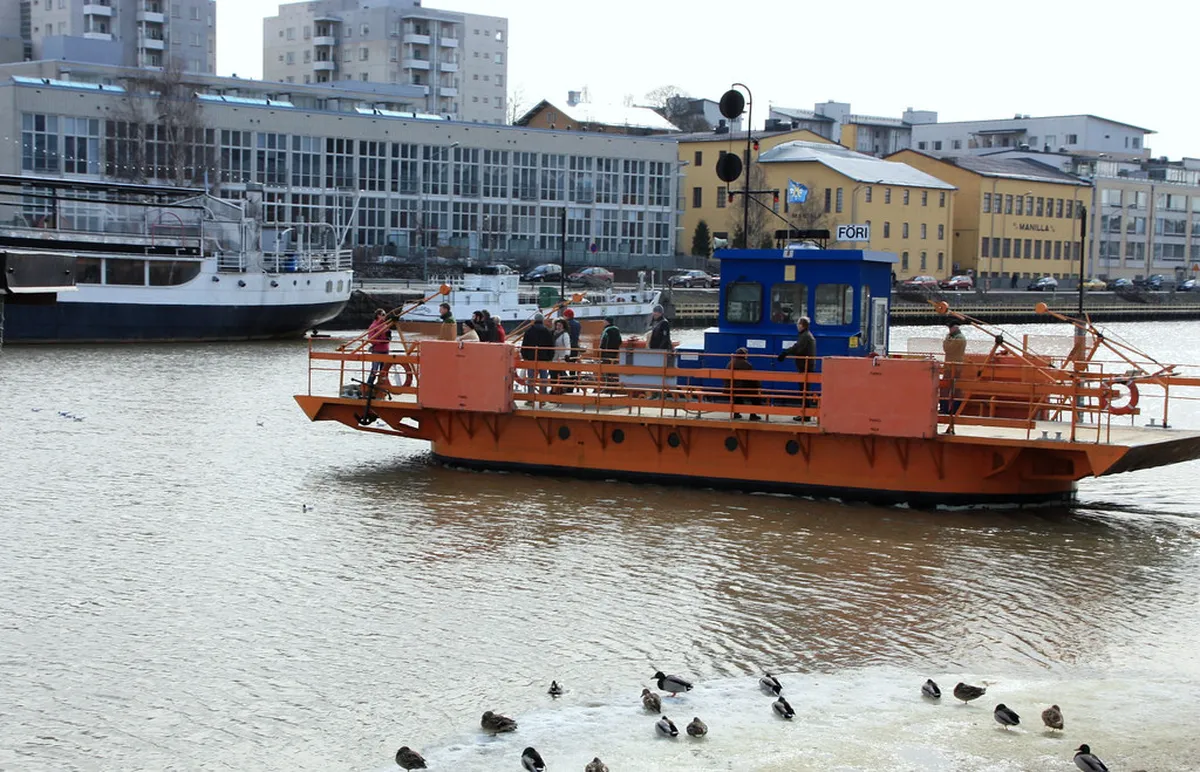
Table of Contents
How to Take the Ferry to Turku Archipelago in Winter
Traveling by ferry is a magical way to explore the Finnish coast. Taking the ferry to Turku Archipelago winter routes offers unique views of ice. You can see frozen landscapes from the warmth of a modern vessel. Start your adventure from the historic Turku harbor area this year.
Planning Your Winter Ferry Route
Most ferries depart from the Prninen harbor in Nagu. You can reach the harbor by bus from Turku city center. The journey takes about one hour by road. Check the current 2026 winter bus schedules before you leave.
The yellow commuter ferries operate throughout the entire winter season. These vessels are free for pedestrians and bicycles in most areas. Large car ferries also run to the main islands regularly. Visit the official Finferries website for the latest daily updates.
Winter schedules are often more limited than the busy summer months. Ferries might run every two hours instead of every thirty minutes. Planning your return trip is essential to avoid long wait times. Always arrive at the dock at least fifteen minutes early.
Some routes require you to call the ferry operator in advance. This is common for smaller islands with very few local residents. Look for the "on-demand" sign on the official ferry timetables. This ensures the captain knows someone is waiting at the pier.
Navigating the Frozen Turku Sea
The sea often freezes thick enough for ice-breaking ferries to work. Watching the boat crush through thick ice is a thrilling experience. The sound of cracking ice echoes across the quiet winter landscape. It is a highlight of any Turku Archipelago winter day trips plan.
Modern Finnish ferries are built to handle these harsh northern conditions. They have reinforced hulls that glide through frozen water with ease. You will feel safe while watching the white wilderness pass by. The cabins remain warm even when temperatures drop outside.
Visibility can change quickly due to sea fog or falling snow. You might see the sun reflecting off the vast ice sheets. Other times, the world turns into a beautiful shades of grey. These variations make every ferry trip a unique visual adventure.
Ice roads sometimes replace ferry routes when the ice is very thick. These roads allow cars to drive directly across the frozen sea. However, ferries remain the primary transport for most island hopping routes. Always follow local safety signs when crossing any frozen water.
Choosing Your Winter Island Destination
Nagu is one of the most popular islands for winter visitors. It offers cozy cafes and beautiful views of the frozen harbor. You can walk along the snowy coastline after arriving by ferry. It is a great spot for a relaxed afternoon.
Korpo is another excellent choice for those seeking true winter peace. The ferry ride to Korpo provides stunning views of the outer islands. You can visit the historic stone church in the main village. The local atmosphere is very quiet and peaceful during winter.
Houtskr offers a more remote experience for adventurous travelers in Finland. Getting there involves taking multiple ferries through smaller island groups. Each leg of the journey reveals new frozen sea vistas. This is a perfect choice for dedicated landscape photographers.
For a shorter trip, consider visiting the Ruissalo island winter walking trails near Turku. While not requiring a large ferry, it offers similar coastal vibes. You can enjoy the sea views without leaving the city limits. It is a very accessible option for quick trips.
Winter Ferry Practical Details and Costs
🌟 Local Expert Tip: Get the most out of your Turku visit with guided tours!
Most commuter ferries in the archipelago are free for passengers. You do not need to buy a ticket in advance. Simply walk onto the boat when it arrives at the pier. This makes island hopping very affordable for budget travelers.
Bringing a car onto the ferry usually requires a small fee. Prices depend on the length of the route and vehicle size. You can pay at the harbor or through a mobile app. Check the 2026 price list on the regional transport website.
Most vessels have indoor seating areas with large panoramic windows. You can enjoy the view without getting cold in the wind. Some larger ferries even have small cafes serving hot coffee. Having a warm drink makes the winter journey even better.
Toilets are available on all medium and large ferry vessels. The facilities are clean and well-maintained for public use during winter. Some smaller "on-demand" boats might not have these amenities onboard. Plan your breaks accordingly before boarding shorter ferry routes.
Safety Tips for Winter Sea Travel
🎯 Insider Tip: Discover the best Turku experiences with Viator Tours!
Always check the weather forecast before heading to the ferry docks. Strong winds can occasionally cause delays or temporary route cancellations. Finnish operators are very experienced in handling winter weather safely. Safety is always the top priority for every ferry captain.
Wear shoes with good grip when walking on the ferry decks. Metal surfaces can become very slippery when covered in snow or ice. Hold onto the handrails when the boat is moving through ice. The vibrations from ice-breaking can be felt throughout the ship.
Keep your mobile phone charged to check digital ferry schedules. Cold weather can drain your battery faster than you might expect. Bring a portable power bank for long day trips to islands. Most ferries do not have public charging ports available.
Stay inside the designated passenger areas while the ferry is docking. The crew needs space to secure the heavy loading ramps safely. Wait for the signal before walking off onto the snowy pier. Follow all instructions given by the ferry staff at all times.
What to Pack for Your Journey
Dress in multiple layers to stay warm during your winter journey. A windproof outer jacket is essential for standing on the deck. The wind chill on the open sea can be quite intense. Wear a warm hat that covers your ears completely.
Bring high-quality thermal gloves to protect your hands from the cold. You will want your hands warm for taking photos of ice. Woolen socks and waterproof boots are also highly recommended for island walks. Keep your feet dry to stay comfortable all day long.
Pack a thermos with a hot beverage like tea or cocoa. While some ferries have cafes, smaller ones do not offer food. A warm drink will help you stay cozy during the trip. Bringing snacks is also a good idea for longer routes.
Consider bringing a pair of binoculars for better wildlife viewing opportunities. You might see sea eagles soaring over the frozen archipelago waters. Seals are also occasionally spotted resting on large sheets of floating ice. The best coastal views near Turku are even better when magnified.
Frequently Asked Questions
Are ferries to the Turku Archipelago free in winter?
Yes, most yellow commuter ferries are free for foot passengers. Vehicles may require a fee on certain routes. Always check the specific route details before you travel.
How long is the ferry ride from the mainland?
The ride length varies by your chosen island destination. Shorter crossings take ten minutes. Some longer routes can last up to an hour.
Do ferries run if the sea is frozen?
Yes, Finnish ferries are designed to break through thick winter ice. They operate reliably even in the coldest months of 2026. Safety remains the top priority for all operators.
Can I bring my dog on the winter ferry?
Pets are generally allowed on the commuter ferries in Finland. They must stay in designated areas or on the deck. Keep your dog on a lead at all times.
Taking the ferry to Turku Archipelago winter trips is a unique way to see Finland. The frozen sea views are truly unforgettable for every traveler. Plan your route carefully and dress warmly for the best experience. Discover the quiet beauty of the islands this winter season.
Key Takeaways
- Most yellow commuter ferries are free for foot passengers.
- Ferries operate as ice-breakers during the frozen winter months.
- Check the 2026 schedules in advance as winter trips are less frequent.
- Dress in layers and wear shoes with good grip for safety.
Related reads: polarcityguide.com, turku winter travel guide 2026.