
How to See Northern Lights in Reykjavík: 2026 Guide
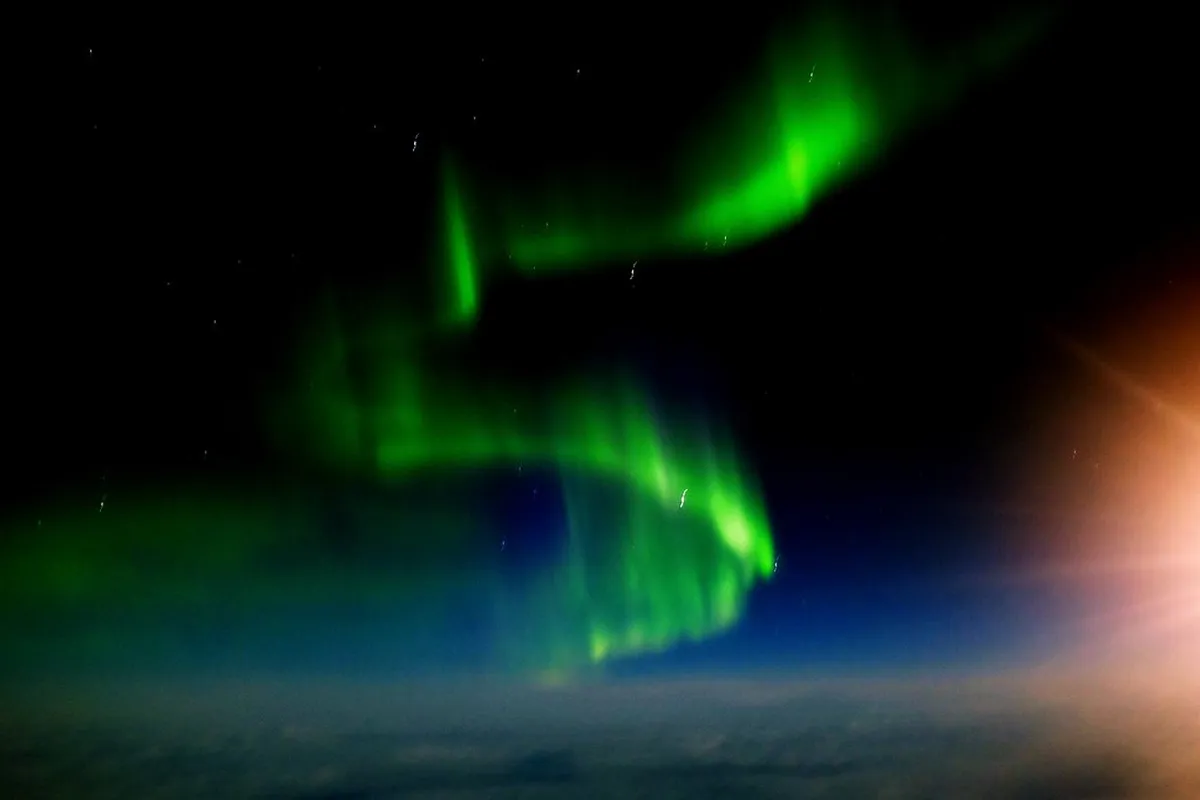
Table of Contents
Expert Tips on How to See Northern Lights in Reykjavík
Knowing how to see northern lights in Reykjavík requires careful planning and a bit of good luck too. Iceland's capital offers magical views of the sky during the winter months of 2026 for all visitors. Darkness is the most important factor when you are hunting for the aurora borealis in the city center. You must find a spot away from the bright streetlights of the busy downtown areas and parks.
The lights appear when solar particles hit the atmosphere of our planet in the high northern latitudes. This creates stunning displays of green, purple, and red light across the dark night sky for onlookers. Many travelers dream of witnessing this natural phenomenon during their cold winter holiday in the beautiful city. Following a few simple steps will greatly increase your chances of a successful sighting this coming year.
Best Timing for Aurora Viewing in 2026
The best time to see the lights starts in late August and lasts until the middle of April. Darkness is essential for a successful sighting during your winter trip to the island of Iceland. Long nights in 2026 offer many viewing chances for those who stay awake late into the cold evening. Plan your visit during the darkest months to maximize your opportunity to see the colorful sky dancing.
Winter months provide the darkest skies for travelers looking for the spectacular aurora borealis in the north. December and January have very short daylight hours which creates perfect conditions for viewing the lights. This allows more time for the lights to shine brightly over the snowy landscapes of the capital region. You should check our Reykjavik winter travel guide 2026 for more useful holiday planning details.
Equinox months in March and September often show increased solar activity according to historical weather data. These months are excellent choices for visitors who prefer slightly milder temperatures during their outdoor adventures. You can enjoy the spectacle without the extreme cold of the deep Icelandic winter season in January. The transition between seasons often creates very clear skies which are vital for seeing the northern lights clearly.
Northern lights are natural and sometimes unpredictable even during the peak of the winter viewing season. You should plan to stay for at least five nights to account for cloudy weather or low activity. This increases your chances of seeing the display during a break in the thick Icelandic clouds. Patience is the ultimate key to a great experience when hunting for the lights in the wild.
Top Locations Within the City Limits
You do not always need to leave the town to see the aurora borealis on a clear night. Some spots offer dark enough skies within the city limits for a great viewing experience for everyone. Grótta Lighthouse is a very popular choice located at the far western tip of the Seltjarnarnes peninsula. This area has very little light pollution compared to the glowing city center of Reykjavík nearby.
The Sun Voyager sculpture provides a beautiful foreground for your northern lights photos along the northern waterfront. It is located right on the coast and offers an unobstructed view of the northern horizon and sea. City lights are bright but the sky remains visible if the solar activity is strong enough that night. Many visitors gather here on clear winter nights to wait for the first signs of green light.
Öskjuhlíð hill offers a higher vantage point for viewers looking over the city and the surrounding ocean. The iconic Perlan building sits atop this wooded area and provides a wide view of the dark sky. You can find many best northern lights spots in Reykjavik city by exploring these elevated locations. The surrounding trees help block the glare from the streetlights in the residential neighborhoods located below the hill.
Laugardalur park is another great local option for viewing the aurora without traveling far from your city hotel. It has large open spaces away from bright streetlights and the busy traffic of the main roads. Families often enjoy the quiet atmosphere of the park during the early evening hours of the winter. It is easily reachable by the local public bus routes from most parts of the capital area.
Understanding the Northern Lights Forecast
Solar activity determines the strength of the aurora display you might see in the Icelandic sky. Scientists use the Kp-index to measure this activity on a scale from zero to nine for accuracy. A higher Kp-index usually means more vibrant green lights and more movement in the sky that night. Aim for a Kp-index of three or higher for the best chance of a truly spectacular show.
Cloud cover is your biggest enemy when viewing the lights anywhere in the world or in Iceland. Clear skies are necessary to see the colors clearly as clouds will block your view of the aurora. Check the local weather apps frequently for updates on cloud movement throughout the long winter evening. Local forecasts help you find small holes in the clouds where the lights might be visible for you.
Use the northern lights forecast for Reykjavik visitors 2026 online for the most accurate and recent data. This tool predicts solar wind and cloud movement specifically for the region around the capital city today. It helps you decide when to head outside and which direction to look for the lights. Reliable data makes your hunt much more effective and saves you time in the cold night air.
The lights can appear at any moment during the night when the sky is dark and clear enough. They often peak between 11 PM and 2 AM when the magnetic pole is in the right position. Do not give up if the sky is quiet during the early hours of your outdoor wait. The aurora can dance suddenly after long periods of waiting in the dark and quiet night sky.
Guided Tours Versus Self-Driving Options
🌟 Local Expert Tip: Get the most out of your Reykjavik visit with guided tours!
Walking to spots is possible within the city center if you choose your location very carefully. However, joining a guided tour offers many benefits for travelers who want the best experience possible. Professional guides know the best secret locations nearby and monitor the weather data in real-time constantly. They can quickly change locations if the clouds move into your current viewing area during the night hunt.
Bus tours are the most common way to hunt for the lights outside of the city limits. They travel far away from the light pollution of the capital into the dark Icelandic countryside. These tours usually last between three and five hours depending on the weather and the aurora activity. Most companies offer a free second try if you do not see any lights on your first trip.
Boat tours offer a unique perspective from the sea just outside the harbor of the capital city. Sailing away from the coast reduces light glare quickly and provides a wide view of the sky. You can enjoy the show from a warm cabin with large windows or on the open deck. It is a very peaceful way to explore the ocean while waiting for the aurora to appear.
Rental cars provide the most freedom for independent travelers who want to explore on their own schedule. You can chase the clear skies by following the cloud maps provided by the local weather service. Be very careful when driving on icy Icelandic roads during the dark winter months of the year. Always check the road conditions and weather warnings before you start your journey into the dark night.
Essential Gear for Cold Night Viewing
Standing outside in the cold for hours requires proper clothing to keep you warm and comfortable. Wear multiple layers to trap your body heat effectively against the freezing Icelandic wind and air. Start with a warm base layer of high-quality wool or synthetic material that wicks away moisture. Add a thick fleece or a heavy wool sweater on top of your base layer for insulation.
A waterproof outer shell is vital for windy nights in the North Atlantic climate of Iceland. Our weather is known for sudden rain or snow even during the height of the winter season. Insulated boots will keep your toes from freezing while you stand on the cold and snowy ground. Warm socks made of wool are equally important for your overall comfort during the long viewing sessions.
Do not forget a thick hat and warm gloves to protect your extremities from the biting cold wind. Heat escapes quickly through your head and hands if they are not covered properly in the winter. Consider using small hand warmers inside your pockets or boots for extra heat during the wait. They provide a nice boost of warmth when the temperatures drop well below freezing at night.
Pack a thermos with a hot beverage like cocoa or tea to provide energy and warmth. Coffee or tea helps keep your spirits high while you wait for the lights to appear. Snacks like chocolate or nuts are also useful for maintaining your energy levels during the long night. Stay hydrated and fed to ensure you remain warm enough to enjoy the beautiful aurora display fully.
Frequently Asked Questions
Can I see the northern lights from my hotel in Reykjavík?
Yes, you can see them if your hotel is away from bright lights. Rooms with northern views or balconies are best for viewing the sky. However, the best views are usually found in darker areas like the city coast. Walk a few blocks away from the streetlights for a better experience.
What month is best for viewing the aurora in 2026?
October through March are the best months due to the long periods of darkness. These months offer the most hours of night for the lights to be visible. Clear skies are more common during the colder winter months of the year. Plan your trip for mid-winter to maximize your chances of success.
Do I need a professional tour to see the lights?
You do not strictly need a tour but they are very helpful for visitors. Guides have expert knowledge of local weather patterns and the best secret viewing spots. They also provide transport to dark areas away from the city lights. A tour increases your success rate significantly if you have limited time.
Is the aurora visible every single night in Iceland?
No, the lights are a natural phenomenon that depends on solar activity and clear skies. Some nights have high activity but thick clouds block the view completely. Other nights may be clear but have very low solar activity from the sun. You need both clear skies and solar particles for a good show.
Seeing the northern lights in Reykjavík is a highlight of any winter trip to Iceland in 2026. By choosing the right time and finding a dark spot, you can witness this incredible natural wonder. Remember to dress warmly and stay patient while you wait for the sky to come alive. Use the local forecasts to guide your hunt and enjoy every moment of the magical display. Start planning your adventure today and prepare for an experience you will never forget in the north.
Key Takeaways
🌟 Local Expert Tip: Get the most out of your Reykjavik visit with guided tours!
- Visit between September and April for the best darkness.
- Head to Grótta Lighthouse for the darkest skies in the city.
- Monitor the Kp-index and cloud cover forecasts daily.
- Dress in multiple warm layers to survive the cold Icelandic nights.
- Stay for at least five days to overcome potential cloudy weather.
Related reads: polarcityguide.com, northern lights viewing in reykjavik, northern lights photography tips for reykjavik 2026.