
Northern Lights Forecast for Reykjavík Visitors 2026
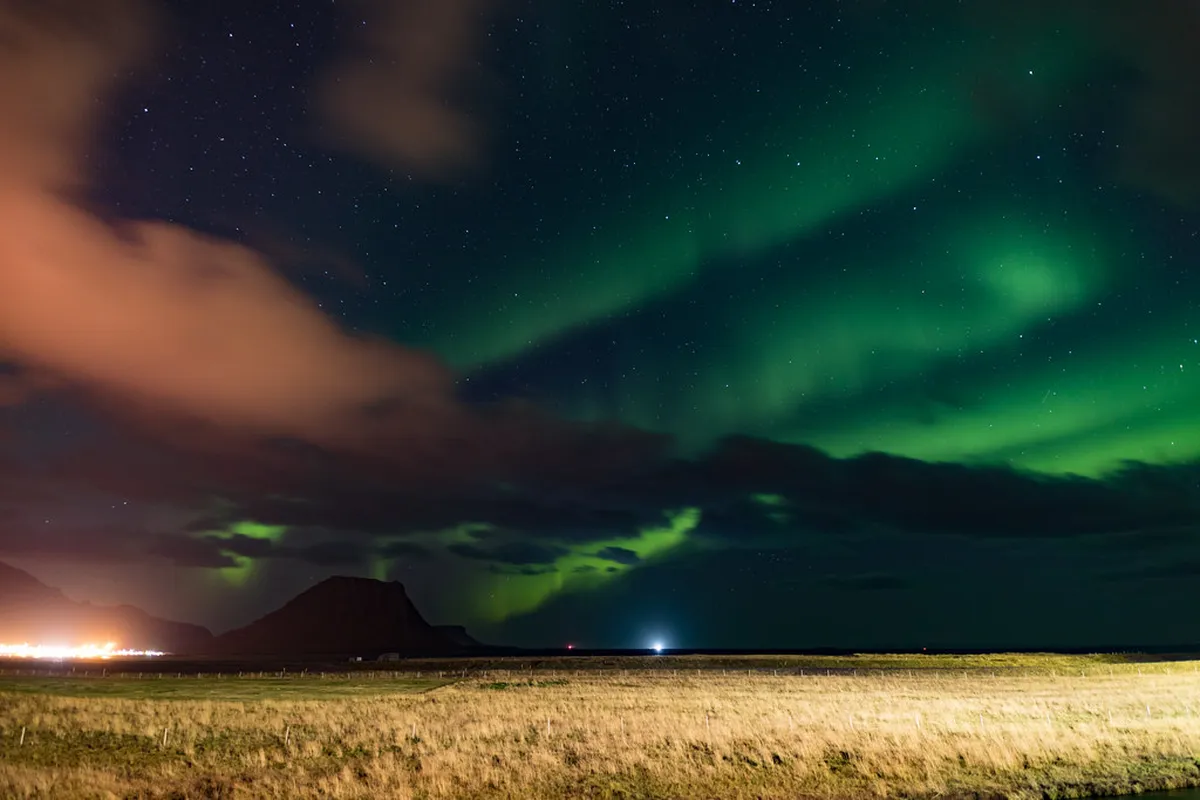
Table of Contents
Tracking the Northern Lights Forecast for Reykjavík Visitors 2026
Finding a reliable northern lights forecast for Reykjavík visitors 2026 is essential for a successful Iceland adventure. The dancing green lights remain a top bucket-list item for global travelers this winter. Understanding solar activity and local weather patterns will greatly improve your viewing chances. This guide provides expert tips on tracking the aurora borealis during your city stay.
Reykjavík serves as a perfect base for chasing these elusive natural displays in the night sky. Most visitors hope to catch a glimpse of the lights without leaving the city limits. Success requires patience and a basic understanding of geomagnetic data provided by scientists. We will help you navigate the technical details of solar forecasts with ease.
Modern technology makes tracking the Northern Lights easier than it was in previous years. Several apps and websites offer real-time data specifically for the Icelandic region. These tools allow you to plan your evenings based on scientific probability rather than luck. Follow our advice to maximize your time under the Icelandic stars in 2026.
Understanding the Kp-Index for Iceland Travel
The Kp-index measures the strength of geomagnetic activity on a scale from zero to nine. Low numbers indicate quiet solar conditions with minimal aurora visibility for viewers. A Kp-index of three is usually sufficient for Northern Lights viewing in Reykjavík during the winter. Higher numbers suggest more intense displays that may appear directly overhead.
Solar cycles follow an eleven-year pattern that impacts the frequency of northern lights. Scientists predict that 2026 will fall near the solar maximum period for this cycle. This means visitors can expect more frequent and vibrant light shows compared to previous decades. Strong solar flares often lead to rare red and purple colors in the sky.
The Kp-index alone does not guarantee that you will see the lights tonight. It only indicates the potential for activity based on solar wind speeds. You must also account for the local weather conditions near the capital city. A high Kp-index is useless if thick clouds block your view of the sky.
Check the forecast multiple times throughout the evening for the most accurate data. Solar activity can change rapidly within a single hour during the night. Many local guides recommend monitoring the live magnetometers located around Iceland. These tools provide a more immediate look at the current geomagnetic tension.
Navigating the Icelandic Met Office Cloud Map
The Icelandic Met Office website is a vital tool for any aurora hunter. Their cloud cover map uses different shades of green to represent cloud density. Dark green areas indicate very thick clouds that fully block the night sky. White areas on the map show clear skies where viewing conditions are optimal.
Local weather in Iceland changes very quickly throughout the winter months. A clear sky in the afternoon does not ensure a clear night. You should use the slider tool on the map to see hourly predictions. This allows you to plan your travel to clearer spots around the capital.
Three layers of clouds are tracked by the meteorological sensors in Iceland. High-level clouds are thin and may still allow the lights to shine through. Low-level clouds are usually dense and will completely hide the aurora from view. Focus your search on areas where all three layers are absent on the map.
Be prepared to drive a short distance to find a break in the clouds. Sometimes a twenty-minute drive can lead you to perfectly clear conditions for viewing. Use the Reykjavík winter travel guide 2026 to plan your local transportation. Staying mobile is often the secret to a successful northern lights hunt.
Best Locations for Viewing Within Reykjavík City
The Grótta lighthouse is the most popular viewing spot within the city limits. It sits at the tip of the Seltjarnarnes peninsula away from bright lights. The ocean views provide a stunning backdrop for your aurora borealis photographs. Walk the coastal path for a quiet spot away from the main parking area.
Öskjuhlíð hill offers another excellent vantage point near the famous Perlan building. The elevated position helps you see over some of the city light pollution. Large trees in the area can provide a nice frame for your pictures. It is easily accessible by public bus or a short taxi ride.
Laugardalur park is a great option for those staying in the eastern districts. This large green space has many dark corners perfect for sky watching. You can wait near the botanical gardens for a more secluded experience. Always bring a warm drink to stay comfortable during the long wait.
Consider visiting the Sun Voyager sculpture for a unique urban aurora experience. While light pollution is higher here, the steel structure looks amazing under the lights. You can also find great northern lights photography tips for Reykjavík 2026 online. These tips will help you capture the glow even with city lights nearby.
Essential Gear for Winter Aurora Hunting
🌟 Local Expert Tip: Get the most out of your Reykjavik visit with guided tours!
Temperatures in Reykjavík often hover around freezing during the peak viewing months. Standing still for long periods makes the cold feel much more intense. Wear several layers of wool or synthetic fabrics to trap your body heat. A windproof and waterproof outer shell is mandatory for Icelandic winter weather.
Sturdy boots with good grip are necessary for icy paths and rocky shores. Many viewing spots like Grótta can become very slippery at night. Consider using small ice spikes on your shoes for better stability on the ice. Never underestimate the wind chill when standing near the North Atlantic ocean.
A high-quality tripod is the most important piece of equipment for photographers. You will need long exposure times to capture the movement of the lights. Hand-held photos will almost always result in blurry and dark images. Bring extra camera batteries as the cold weather drains them very quickly.
Pack a powerful flashlight or headlamp to navigate the dark trails safely. Use a red light setting to preserve your natural night vision. This helps your eyes stay adjusted to the faint light of the aurora. Always tell someone your planned location before heading out into the dark.
Choosing Between Tours and Solo Exploration
Professional northern lights tours offer the expertise of seasoned local guides. These experts know the best secret spots away from the crowds. They monitor the forecast and cloud maps constantly throughout the entire evening. Most tours include a second trip for free if the lights do not appear.
Renting a car allows for maximum flexibility during your Iceland vacation. You can stay at a location as long as you wish without schedules. This is a great choice for experienced drivers comfortable with winter roads. Check the road conditions daily on the official Icelandic road website.
Guided bus tours are the most affordable option for solo travelers in 2026. Prices typically range from sixty to ninety dollars per person for a trip. Small group tours provide a more intimate experience with better photography assistance. Choose the option that best fits your budget and comfort level.
Boat tours departing from the Old Harbor offer a unique perspective. You can view the lights while floating on the dark waters of the bay. The city skyline looks beautiful from the deck of a moving ship. Most boats have warm indoor cabins where you can wait for the activity.
Frequently Asked Questions
What is the best month to see the Northern Lights in 2026?
The best months are usually from September through early April. These months provide the long dark nights needed for visibility. October and March often have higher geomagnetic activity due to the equinoxes. Avoid visiting in summer as the midnight sun makes viewing impossible.
Can I see the Northern Lights from downtown Reykjavík?
Yes, you can see very strong auroras from the city center. However, light pollution will make the colors look much fainter. It is always better to walk toward the coastline or a park. Darker surroundings make the green and pink hues appear much more vivid.
How long do the Northern Lights usually last?
An aurora display can last anywhere from ten minutes to several hours. They often come in waves of intensity throughout the night. Be patient and stay outside even if the activity seems low. The lights can suddenly brighten and dance across the entire sky.
What time of night is best for viewing?
Most activity occurs between 9:00 PM and 2:00 AM in Iceland. This is when the sky is darkest and solar interaction is peak. Some displays happen earlier or later depending on specific solar wind speeds. Check the forecast around 8:00 PM to plan your night.
Tracking the northern lights forecast for Reykjavík visitors 2026 requires preparation and local knowledge. Use the Kp-index and cloud maps to find the best viewing times. Dress warmly and choose a dark location away from the bright city lights. With a little luck, you will witness the magic of the Icelandic sky. Start planning your winter adventure today to see this spectacular natural wonder.
Key Takeaways
- Check the Icelandic Met Office cloud map for clear sky zones.
- Monitor the Kp-index for high levels of geomagnetic activity.
- Visit the Grótta lighthouse for the best city viewing views.
- Dress in multiple warm layers to survive the winter cold.
- Download aurora tracking apps for real-time mobile updates.
Related reads: polarcityguide.com, best northern lights spots in reykjavik city, how to see northern lights in reykjavik.