
Beppu Hell Tour Walking Route Winter Guide 2026
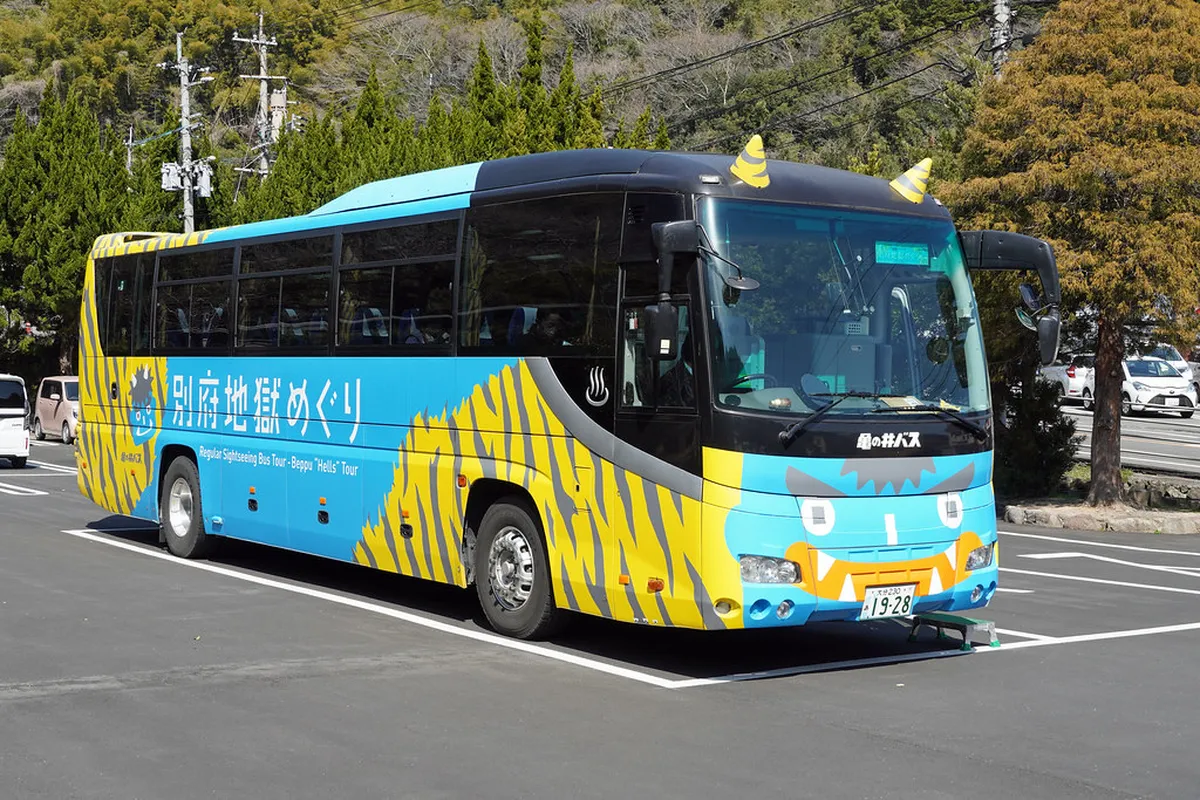
Table of Contents
The Ultimate Beppu Hell Tour Walking Route Winter Itinerary
Exploring the Beppu Hell Tour walking route winter offers a truly unique experience in Japan. The cold air makes the geothermal steam rise higher and look more dramatic than usual. Visitors can enjoy seven unique hot springs located in the historic Kannawa and Shibaseki districts. Our 2026 guide provides the most efficient way to navigate these spectacular natural wonders on foot.
Walking between the steaming vents allows you to feel the true energy of the earth. The winter season brings fewer crowds and a peaceful atmosphere to the coastal city of Beppu. You will find that the contrast between the icy wind and warm steam is refreshing. This Beppu Hell Tour winter guide will help you maximize your time and budget.
Morning Start at Umi Jigoku and Oniishibozu
You can find the latest updates on Beppu City Tourism Association.
For current hours, prices, and announcements, start with Beppu Jigoku Association.
Begin your morning at the famous Umi Jigoku, which is also known as Sea Hell. This site is famous for its cobalt blue water that looks like a calm ocean. The steam appears particularly thick and white during the chilly winter mornings in early 2026. You should arrive right when the gates open at 8:00 AM to avoid the crowds.Umi Jigoku features a beautiful spacious garden and a small shrine on the cliffside. Admission for a single hell is 450 yen for adults and 200 yen for children. We recommend buying the combined pass for 2,200 yen to see all seven spectacular sites. This pass is valid for two days and offers the best value for your money.
Walk a short distance next door to visit the bubbling Oniishibozu Jigoku area. Grey mud bubbles slowly pop on the surface, resembling the shaven heads of Buddhist monks. The rhythmic sounds of the mud are very relaxing during a quiet winter walk. Use the public footbath here to warm your feet before continuing your cold morning journey.
Take plenty of photos of the Umi Jigoku blue pond winter photos for your social media. The bright blue water creates a stunning contrast against the grey winter sky in Beppu. Keep your camera lens clear of the thick steam to capture the best holiday shots. Spend about forty minutes exploring these two initial locations at a comfortable pace.
Interactive Fun at Kamado and Oniyama
Continue your downhill walk toward Kamado Jigoku, often called the Cooking Pot Hell. This location features several different types of hot springs within one single facility. You can see bubbling mud, blue water, and orange ponds all in one place. Staff members often give live demonstrations to show how the steam reacts to cigarette smoke.
While you are here, try some famous snacks cooked entirely by geothermal volcanic steam. Sample the delicious steamed custard pudding or the savory soy sauce flavored eggs. These warm treats are perfect for maintaining your energy levels during the winter walk. Most snacks cost between 100 and 300 yen and are freshly prepared every day.
Next, walk across the street to see the impressive crocodiles at Oniyama Jigoku. Over eighty crocodiles live in the ponds heated by the natural geothermal energy. They remain active even during the coldest winter months because of the warm water. Feeding times are particularly exciting to watch if you visit during the weekend afternoons.
The path between these two hells is flat and very easy for most walkers. You will pass several local small shops selling traditional Japanese souvenirs and snacks. Remember to wear comfortable walking shoes as you will be on your feet often. The total walking distance between these first four sites is less than one kilometer.
The Serene Beauty of Shiraike Jigoku
Your next stop is Shiraike Jigoku, which translated means the White Pond Hell. The water in this pond is naturally milky white due to chemical reactions. It is surrounded by a peaceful traditional Japanese garden that looks beautiful in winter. Many visitors find this to be the most tranquil spot on the entire route.
Check out the small aquarium on the site which houses exotic tropical pirarucu fish. These giant fish live in tanks warmed by the nearby volcanic hot springs. It is a strange but fascinating sight to see tropical life in snowy Beppu. Learning about the local ecosystem adds a different layer to your winter walking tour.
Shiraike Jigoku marks the final point of the walking portion in the Kannawa district. Most travelers take about two hours to finish seeing the first five unique hells. Take a moment to rest your legs at the nearby bus stop area. You will need to take a short ride to reach the remaining sites.
This area of Beppu is famous for its narrow streets and traditional atmosphere. You can see steam rising from the roadside gutters and residential chimneys everywhere. It is the perfect place to learn how to visit Beppu hells in winter effectively. Take a deep breath of the mineral-rich air before moving to the next district.
Exploring the Remote Shibaseki District Hells
🌟 Local Expert Tip: Get the most out of your Beppu visit with guided tours!
Go to the Kannawa bus center and board the number 26 public bus. The bus ride to the Shibaseki district takes roughly five to seven minutes. You can use your IC card or cash to pay the small fare. This bus runs every thirty minutes throughout the day during the winter season.
Your first stop in Shibaseki should be the famous Chinoike Jigoku or Blood Pond Hell. This is the oldest natural hell in Japan and features bright red water. The red color comes from the iron-rich minerals found deep within the earth. It looks particularly dramatic when the white winter steam billows over the red surface.
There is a large souvenir shop here that sells unique red skin ointments. These products are made using the mineral mud from the Blood Pond itself. They make great gifts for friends and family back home after your trip. Take time to explore the hillside path for an overhead view of the pond.
Tatsumaki Jigoku is located right next to the Blood Pond and features a geyser. The geyser erupts approximately every thirty to forty minutes for about ten minutes. Check the waiting time at the ticket counter before you enter the viewing area. It is a powerful display of nature that can reach twenty meters high.
Essential Gear for Beppu Winter Walking
Prepare for your winter walk by wearing several thin layers of warm clothing. Beppu can be windy and cold because it is located near the mountains. You can easily remove layers if you get too warm from the steam. A light waterproof jacket is also helpful if there is a passing winter shower.
Carry a small hand towel in your daypack for the various footbaths available. Most hell sites offer free foot soaking areas for visitors with a ticket. Drying your feet properly before putting your socks back on is very important. This will keep you warm and prevent you from catching a winter cold.
Invest in some heat packs, known as kairo, from a local Japanese convenience store. These small packs stay warm for hours and fit easily into your pockets. They are perfect for keeping your hands warm while you wait for the bus. Many locals use them during the winter to stay comfortable outdoors for long periods.
- Wear thick socks to keep your toes warm throughout the long day.
- Bring a portable power bank for your phone to take endless photos.
- Use a small backpack to keep your hands free for the railings.
- Carry a bottle of water to stay hydrated in the dry winter air.
Winter Safety and Accessibility in Beppu
The walking paths are generally well-maintained but can be slippery during the winter months. Watch your step on the stone stairs near the Shiraike and Chinoike locations. Some walkways may have a thin layer of frost or ice in the morning. Always use the handrails when they are provided for your safety on the route.
The winter sun sets early in Japan, usually around 5:00 PM in January. Plan to finish your walking tour by 4:00 PM to ensure good light. Most of the hell sites close their gates at 5:00 PM anyway. Starting early ensures that you do not have to rush through the final sites.
Be aware that the Shibaseki district is more rural than the central Kannawa area. There are fewer shops and restaurants available between the final two hell locations. We suggest eating a large lunch in Kannawa before heading to the bus stop. This strategy will keep you full and warm for the rest of the day.
Always check the local weather forecast before starting your walking tour in Beppu. Heavy snow is rare but can occasionally cause delays for the local buses. If the weather is poor, consider taking taxis between the more distant hell sites. Taxis are reliable and can be found near the main entrance of Umi Jigoku.
Frequently Asked Questions
How long does the Beppu Hell Tour take to finish?
Most visitors take three to four hours to complete the entire seven-hell route. This includes time for walking, taking photos, and riding the local bus. You should allow extra time if you plan to enjoy the footbaths. Winter crowds are smaller so you might finish slightly faster than in summer.
Is the Beppu Hell Tour walking route difficult for beginners?
The route is mostly flat and easy to navigate for people of all ages. The walk within the Kannawa district is very short and manageable on foot. You only need to take a bus for the distance to Shibaseki. Wear good shoes and take breaks at the various benches and footbaths provided.
Can I buy the Beppu Hell pass at any location?
Yes, you can purchase the combined pass at any of the seven hell sites. It is valid for two consecutive days from the time of your purchase. The pass allows one entry into each of the beautiful hot spring locations. Keep your ticket safe as you will need to show it at every gate.
The Beppu Hell Tour walking route winter provides a memorable way to see Japan’s geothermal power. From the blue waters of Umi Jigoku to the red Blood Pond, every stop is unique. Remember to dress warmly and enjoy the local steamed snacks along the way. Your winter trip to Beppu in 2026 will surely be a highlight of your Japan journey.
Key Takeaways
- Purchase the combined 2,200 yen pass for the best value.
- Start early at 8:00 AM to enjoy the thickest winter steam.
- Bring a small towel for the free communal footbaths.
- Use the number 26 bus to travel between the two districts.
Related reads: polarcityguide.com, beppu winter travel guide 2026, chinoike jigoku blood pond winter tips.