
2026 Beppu Hell Tour Winter Guide: Travel Tips
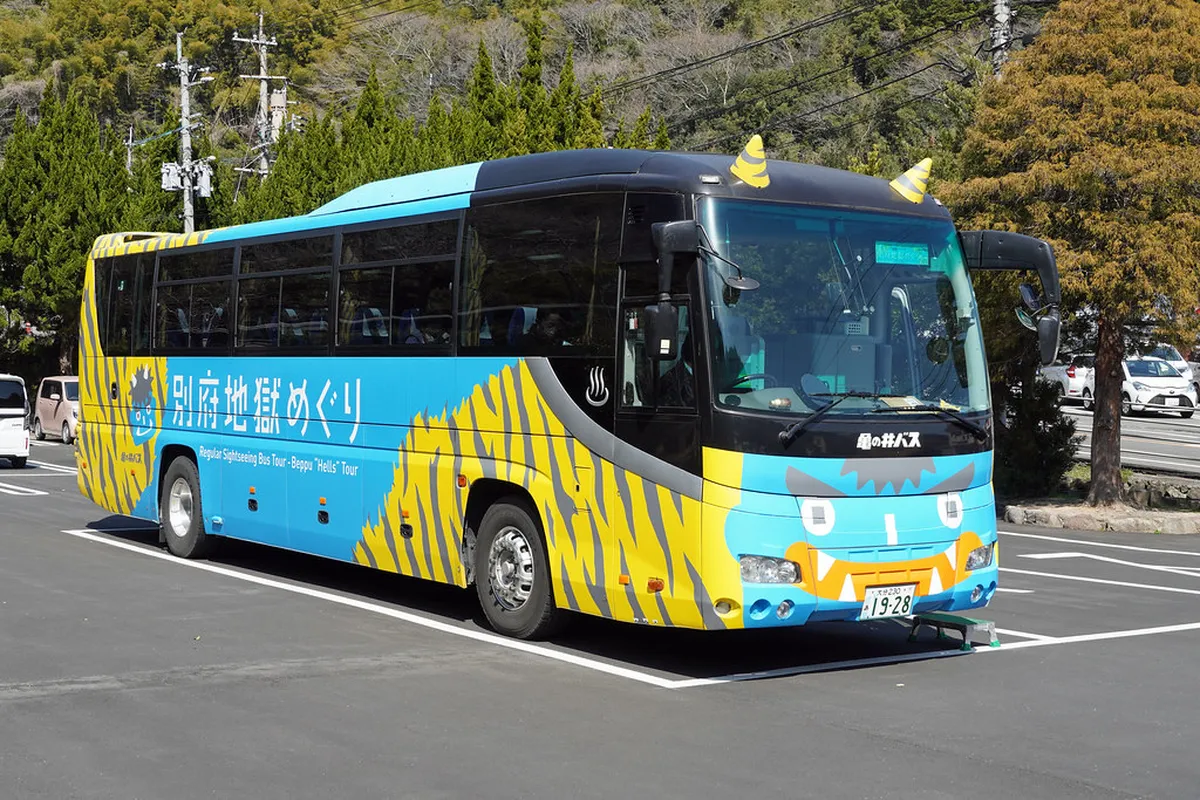
Table of Contents
Ultimate Beppu Hell Tour Winter Guide for 2026 Travelers
Beppu is a famous hot spring city located on Kyushu island in Japan. The Beppu Hell Tour winter guide helps you navigate the seven geothermal wonders. Winter is a magical time to see the thick steam rising into the cold air. You will enjoy unique colors and natural heat during your 2026 visit.
These sites are known as "Jigoku" because the boiling water looks like a hellish landscape. People have visited these springs for hundreds of years to marvel at their power. Planning a trip in the colder months requires some specific knowledge. This guide will ensure you have a warm and memorable experience.
Explore Umi Jigoku the Sea Hell
For current hours, prices, and announcements, start with Lonely Planet Beppu Guide.
For current hours, prices, and announcements, start with Beppu City Official Website.
Umi Jigoku is often called the Sea Hell due to its bright cobalt blue water. This pond formed over one thousand years ago after a massive volcanic explosion. Despite its cool blue appearance, the water temperature is almost one hundred degrees Celsius. You can witness massive clouds of white steam floating above the blue surface.The grounds around Umi Jigoku are spacious and feature a large tropical greenhouse. This greenhouse uses the natural volcanic heat to grow beautiful lilies and exotic plants. It provides a warm escape from the freezing winter winds outside. Check out our Umi Jigoku winter photos to see the stunning color contrast.
Visitors can also enjoy a small footbath located near the entrance of the site. Soaking your feet in the warm water is a great way to stay cozy. Be sure to bring a small towel to dry your feet afterward. Most shops nearby sell small towels if you forget to bring your own.
The gift shop at Umi Jigoku offers unique snacks like pudding steamed by the hells. This "Jigoku Pudding" has a rich flavor and a naturally creamy texture. Prices for the pudding generally start around four hundred yen per cup. It is a perfect treat to enjoy while watching the steam rise.
Visit Chinoike Jigoku the Blood Pond
Chinoike Jigoku is the oldest natural geothermal spring in all of Japan. Its name translates to Blood Pond Hell because of the deep red water. Red clay at the bottom of the pond creates this striking visual effect. The steam rising from the red water looks incredible in winter.
This site is located away from the main cluster of springs in Kannawa. You will need to take a short bus ride to reach this area. Most travelers visit this pond and the Geyser Hell during the same afternoon. Use our Chinoike Jigoku winter tips to coordinate your bus schedule.
The shop at Chinoike Jigoku sells a special ointment made from the red clay. This ointment is a popular Japanese remedy for various skin conditions. It has been sold at this location for many generations. Many tourists buy several jars as unique souvenirs for friends back home.
There is a large footbath available for all visitors at this site. Looking at the red water while soaking your feet is a relaxing experience. The red steam creates a moody atmosphere for photography enthusiasts. This area is usually less crowded than the blue ponds in the morning.
Winter Weather and Packing Advice
Winter in Beppu is cold but the air remains relatively dry. Temperatures during the day usually range between five and ten degrees Celsius. Strong ocean breezes can make the air feel much colder than the thermometer suggests. You should prepare for significant temperature changes when standing near the hot steam.
Layering your clothing is the best strategy for a winter tour. Wear a warm jacket that you can easily unzip when entering shops. You will walk between several different sites during the afternoon. Read our Beppu winter packing guide for a complete list of essentials.
Comfortable walking shoes are vital for navigating the paved and gravel paths. Some areas around the springs can become slippery due to the constant moisture. Wool socks will keep your feet warm during the long walks between attractions. Many visitors also carry small heat packs known as "kairo" in their pockets.
Hat and gloves are recommended if you plan to walk the entire route. The steam provides warmth only when you are standing very close to the pools. Moving between the hells exposes you to the chilly winter wind. Staying dry is just as important as staying warm during your trip.
Steam Cooking and Local Cuisines
💡 Pro Tip: Book your Beppu adventures in advance through Viator for the best deals!
Beppu is famous for its "Jigoku Mushi" or hell-steaming cooking method. This traditional technique uses the pure volcanic steam to cook fresh ingredients. You can find several public steam centers in the Kannawa district. This is a must-try experience for any food lover visiting in 2026.
You can purchase baskets of vegetables, meat, and seafood to steam yourself. The process is very simple and takes about fifteen to twenty minutes. Staff members are available to help you set the timer correctly. Our Beppu winter food guide highlights the best steaming spots in town.
The natural minerals in the steam add a unique flavor to the food. Modern health enthusiasts love this method because it requires no added oils. Most meal sets cost between one thousand and two thousand yen. It is a healthy and affordable way to eat like a local.
For a quick snack, look for steam-cooked corn and sweet potatoes. These are sold at small stalls near the entrances of most hells. The heat from the food will warm your hands on a cold day. Eating a hot potato while watching the steam is a classic Beppu experience.
Planning Your Winter Walking Route
A well-planned route saves you time and energy in the cold weather. The Beppu Hell Tour consists of seven different sites in two areas. Five hells are grouped together in the hilly Kannawa neighborhood. You can easily walk between these five sites in about two hours.
Start your morning at Umi Jigoku to beat the large tour groups. Then follow the path to see the Shaven Head Hell and Cooking Pot Hell. Each site has its own unique features and different water colors. The Beppu Hell Tour walking route offers a perfect map for visitors.
After seeing the first five hells, take bus number sixteen or twenty-six. These buses will take you to the final two sites in Shibaseki. The bus ride takes about five to ten minutes depending on traffic. Remember to check the return bus times so you do not wait in the cold.
Purchase a combination ticket to save money on entrance fees. This ticket covers all seven hells and is valid for two days. It costs two thousand two hundred yen for an adult traveler. Buying the pass is much cheaper than paying for each site individually.
Oniyama Jigoku the Crocodile Hell
Oniyama Jigoku uses geothermal heat to breed and raise large crocodiles. This site has been home to these reptiles since the year nineteen twenty-three. The water temperature is kept warm enough for tropical animals during the winter. You can see dozens of crocodiles resting in the steaming pools.
Winter is a good time to see the crocodiles up close. They tend to huddle together near the heat sources when it is cold. Feeding times are held on specific days and are very popular. You will see the powerful animals jump high out of the water for food.
The enclosure is well-maintained but the smell of sulfur is quite strong here. Children especially enjoy seeing the baby crocodiles in the indoor tanks. These smaller tanks are located in a heated building near the exit. It is a nice place to warm up for a few minutes.
Information signs explain how the volcanic steam keeps the animals healthy. This site shows a very practical use for the city's natural energy. Entrance is included in your standard combination ticket for the tour. It adds a bit of adventure to your day of sightseeing.
Frequently Asked Questions
Which Beppu Hell is best to visit in winter?
Umi Jigoku is widely considered the best choice for winter visitors. Its massive steam clouds create a beautiful atmosphere against the blue water. The site also features a warm greenhouse and a nice footbath. You can enjoy the natural heat while staying protected from the wind.
How long does the full Beppu Hell Tour take?
Most travelers spend about three to four hours completing the entire tour. This includes walking time and the short bus ride between the two districts. You may want extra time for a steam-cooked lunch in Kannawa. Plan for a half-day trip to avoid rushing through the sites.
Can I soak my whole body in the Beppu Hells?
No, the water in the seven hells is far too hot for bathing. These sites are strictly for viewing and photography because they are boiling. However, many hells offer small footbaths that use cooled geothermal water. Visit a local onkyo or hotel for a full-body hot spring experience.
What is the price for a Beppu Hell Tour ticket?
A combination ticket for all seven hells costs 2,200 yen for adults in 2026. Individual entrance to a single hell usually costs 450 yen. The combination ticket is the best value if you plan to see more than five. You can buy these tickets at any of the hell entrances.
The Beppu Hell Tour winter guide helps you enjoy a unique Japanese landscape. Seeing the steaming pools in the cold air is a rare and beautiful sight. Be sure to try the local steam cooking for a warm meal. This winter journey will be a highlight of your 2026 Japan trip. Plan your route today to see these amazing natural wonders in person.
Key Takeaways
- Buy a combination ticket to save money on all seven hells.
- Wear warm layers and comfortable shoes for the walking route.
- Try the local steam-cooked pudding and seafood in Kannawa.
- Visit Umi Jigoku early in the morning to avoid the crowds.
- Use the free footbaths at the sites to keep your feet warm.
Related reads: polarcityguide.com.