
10 Best Winter Foods in Fukuoka to Try in 2026
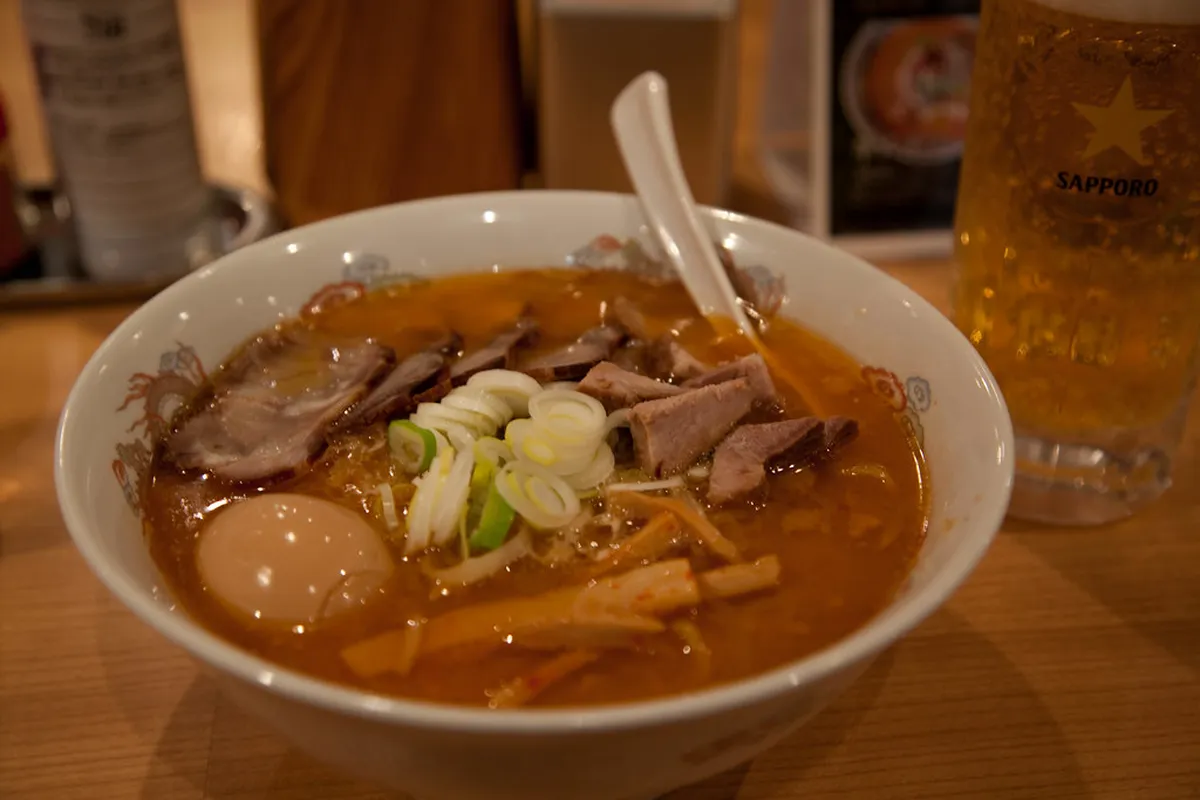
Table of Contents
Taste the Best Winter Food in Fukuoka This Cold Season
Fukuoka offers many warm meals to help travelers survive the chilly winter months of early 2026. The city is famous for its hearty hot pots and rich noodle soups that satisfy every guest. You will find that the local food culture relies on deep broths and fresh seasonal seafood. This guide highlights the best winter food in Fukuoka to keep you warm and happy during your trip. Check our Fukuoka winter travel guide for more tips on planning your journey.
Warm Up with Savory Motsunabe Hot Pot
For official information, visit Fukuoka Airport Official Website.
You can find the latest updates on Fukuoka City Official Website.
Motsunabe is the most popular dish for locals during the cold winter nights in Fukuoka city. This flavorful hot pot features beef or pork offal cooked in a savory soy or miso broth. Many people love the chewy texture and deep umami flavors that come from the fresh ingredients used. The dish provides a great way to bond with friends while escaping the freezing outdoor temperatures.The broth usually contains a generous amount of garlic, chili peppers, and leeks for a spicy kick. These ingredients help to warm your body from the inside while providing plenty of essential vitamins. You can find the best Motsunabe restaurants located throughout the Tenjin and Hakata districts. Most shops offer specialized menus that cater to both small groups and large festive parties.
Diners often add cabbage and tofu to soak up the delicious juices from the cooking meat pieces. This ensures that every bite is packed with the rich flavor of the signature garlic-heavy soup base. You should try different broth styles like the creamy miso version for a truly comforting winter experience. The vegetable portions are usually quite large which makes the meal feel very healthy and balanced.
Once the main ingredients are finished, it is common to add champon noodles into the remaining broth. This ensures that no drop of the rich and fatty soup goes to waste during your meal. Prices typically range from 1,500 to 3,000 yen per person for a very satisfying dinner experience. Most restaurants require reservations during the peak winter weekends so plan your visit early for 2026.
Classic Mizutaki Chicken Hot Pot Restaurants
Mizutaki is a traditional chicken hot pot that has been a Fukuoka staple for over one hundred years. The dish starts with a clear broth made from boiling local chicken bones for several long hours. This process creates a silky and collagen-rich soup that is both healthy and incredibly delicious to drink. Locals believe this soup helps keep their skin looking young even during the dry winter weather.
The serving style for this meal follows a specific ritual to maximize the flavor of the fresh chicken. You first drink a small cup of the pure broth with a little bit of salt added. Then you eat the tender pieces of chicken before adding seasonal vegetables and handmade chicken meatballs. Visiting the Mizutaki hot pot restaurants in the city is a highlight for many food lovers.
Vegetables like napa cabbage, shiitake mushrooms, and green onions are added to the pot as the meal progresses. The natural sweetness of the vegetables balances the savory chicken flavor to create a very light meal. You can use a citrus-based ponzu sauce for dipping to add a refreshing tang to every bite. This dish is much lighter than Motsunabe which makes it a great choice for a healthy dinner.
At the end of the meal, the server will usually prepare a rice porridge using the leftover soup. They add a beaten egg and some chopped parsley to make a warm and comforting final course. This creamy porridge is the perfect way to finish your dining experience on a cold winter evening. Expect to pay between 3,000 and 6,000 yen at the more famous traditional Mizutaki establishments.
Iconic Hakata Ramen: The Best Winter Food in Fukuoka
Hakata Ramen is globally famous but it tastes best when eaten in its home city during the winter. The signature thin noodles are served in a thick and creamy pork bone broth known as tonkotsu. This heavy soup provides the calories and warmth needed to fuel your winter sightseeing adventures in Fukuoka. The rich aroma of the boiling pork bones fills the air of every busy street corner.
Most shops allow you to choose the firmness of your noodles ranging from very soft to extra hard. You can also customize your bowl with toppings like spicy mustard greens, pickled ginger, and toasted sesame seeds. Finding the best Hakata ramen in winter is easy because there are shops near every major train station. Many locals prefer the small and hidden shops that have been operating for several decades.
A standard bowl of ramen is very affordable and usually costs between 600 and 900 Japanese yen. If you are still hungry, you can order a second serving of noodles by asking for kaedama. This is a common practice in Fukuoka that allows you to enjoy more noodles without more soup. Be sure to eat quickly while the broth is steaming hot to get the best possible flavor.
Winter is the perfect time to visit the ramen stadiums located in the Canal City or Hakata Station. These areas feature multiple famous ramen shops in one location so you can compare different styles of broth. The indoor setting provides a nice break from the cold wind while you enjoy a hot bowl. It remains one of the most iconic culinary experiences for any visitor to the city in 2026.
Enjoy Traditional Oden at Fukuoka Yatai Stalls
⭐ Recommendation: Don't miss out on amazing Fukuoka tours - book now!
Fukuoka is famous for its yatai stalls which are open-air food carts that appear every single evening. These stalls provide a unique dining atmosphere where you can sit close to the chef and other guests. During winter, the stalls are wrapped in thick plastic sheets to keep the warm air trapped inside. This creates a cozy and intimate environment that is perfect for enjoying a late-night winter snack.
Oden is the star of the winter menu at almost every yatai stall you visit in the city. This dish consists of various ingredients like daikon radish, boiled eggs, and fish cakes simmered in dashi. The long simmering process ensures that every item is hot and bursting with savory soup flavors when served. Experience the Fukuoka yatai street food scene for a taste of local life during the colder months.
You can order individual pieces of oden based on your personal preference or ask for a mixed plate. Most people enjoy eating their oden with a small dab of spicy yellow mustard for extra heat. The daikon radish is a fan favorite because it melts in your mouth and holds the most soup. This simple meal is very cheap and pairs perfectly with a warm glass of local Japanese sake.
- Daikon Radish: A winter root vegetable that absorbs the flavorful dashi broth perfectly.
- Tamago: Hard-boiled eggs that become savory and firm after hours of slow simmering.
- Chikuwa: Grilled fish cakes that provide a nice chewy texture to the hot pot.
- Konnyaku: A zero-calorie yam cake that is valued for its unique and bouncy texture.
The yatai stalls usually open around 6:00 PM and stay busy until the early hours of the morning. You can find the largest concentration of these stalls in the Nakasu and Tenjin riverside areas. It is a great place to meet locals who are happy to share their favorite food recommendations. Just remember to dress in layers because the stalls can still be a bit drafty during January.
Seasonal Winter Seafood and Itoshima Oysters
Winter is the best season for seafood lovers visiting the coastal city of Fukuoka in early 2026. The cold water of the Genkai Sea produces fish with higher fat content and much better flavor. Yellowtail, known as buri, is a seasonal specialty that is often served as fresh sashimi or grilled. This fish is at its peak during the winter months when the meat is exceptionally rich and oily.
Oyster huts, or kakigoya, are a popular winter tradition located in the nearby Itoshima Peninsula area. These temporary buildings allow you to grill fresh oysters right at your table over a hot charcoal fire. Many travelers take a short day trip from the city center to enjoy this fun and interactive meal. The oysters are incredibly fresh and usually cost about 1,000 yen for a large one-kilogram bag.
You can also find high-quality winter seafood at the Yanagibashi Rengo Market near the central Tenjin district. This market is often called the kitchen of Hakata because it supplies the best ingredients to local restaurants. Exploring the stalls will reveal seasonal delicacies like fugu pufferfish and steamed snow crabs during the winter. Many stalls offer small samples so you can taste the quality before buying a full meal.
If you prefer a sit-down meal, look for restaurants offering seasonal kaisen-don which are fresh seafood bowls. These bowls are topped with the best catches of the day including fatty tuna and sweet winter shrimp. The quality of the seafood in Fukuoka rivals that of Tokyo but at a much lower price point. It is a must-try experience for anyone who appreciates the natural flavors of the Japanese sea.
Frequently Asked Questions
What is the most famous winter dish in Fukuoka?
Motsunabe is widely considered the most famous winter dish in the city of Fukuoka. This offal hot pot is loved for its rich garlic broth and warming properties during cold nights. You can find it in hundreds of restaurants across the Hakata and Tenjin areas in 2026.
Where can I find the best winter street food?
The best winter street food is found at the traditional yatai stalls in Nakasu and Tenjin. These stalls serve hot oden, ramen, and grilled skewers in a very cozy outdoor setting. Most stalls use plastic covers and heaters to keep customers warm while they eat.
How much does a typical hot pot meal cost?
A typical Motsunabe meal costs between 1,500 and 3,000 yen per person depending on the shop. Traditional Mizutaki chicken hot pot is usually more expensive and ranges from 3,000 to 6,000 yen. These prices often include a final course of noodles or rice porridge to finish the soup.
Is winter seafood better than summer seafood in Fukuoka?
Many locals believe that winter seafood is superior because the fish develop more fat to survive the cold. Species like yellowtail and oysters are only available at their best quality during the winter season. The cold currents of the Genkai Sea ensure the seafood remains firm and flavorful for diners.
Fukuoka is a true paradise for anyone who loves hearty and warming winter meals in 2026. From the rich broth of Hakata ramen to the social experience of Motsunabe, there is something for everyone. Make sure to visit a yatai stall to experience the unique local atmosphere of the city. We hope this guide helps you find the best winter food in Fukuoka during your next visit. Start planning your trip today by checking our full travel resources for more inspiration.
Key Takeaways
- Try Motsunabe for a garlic-rich and filling local hot pot experience.
- Visit the Itoshima oyster huts for a fun and affordable seafood day trip.
- Eat at a yatai stall in Nakasu to enjoy the traditional street food culture.
- Finish your Mizutaki meal with a rice porridge to taste the full flavor.
- Order kaedama at ramen shops to get an extra serving of thin noodles.
Related reads: fukuoka winter weather and clothing.