
Capturing the Winter Sunrise Over Kamakura Sagami Bay
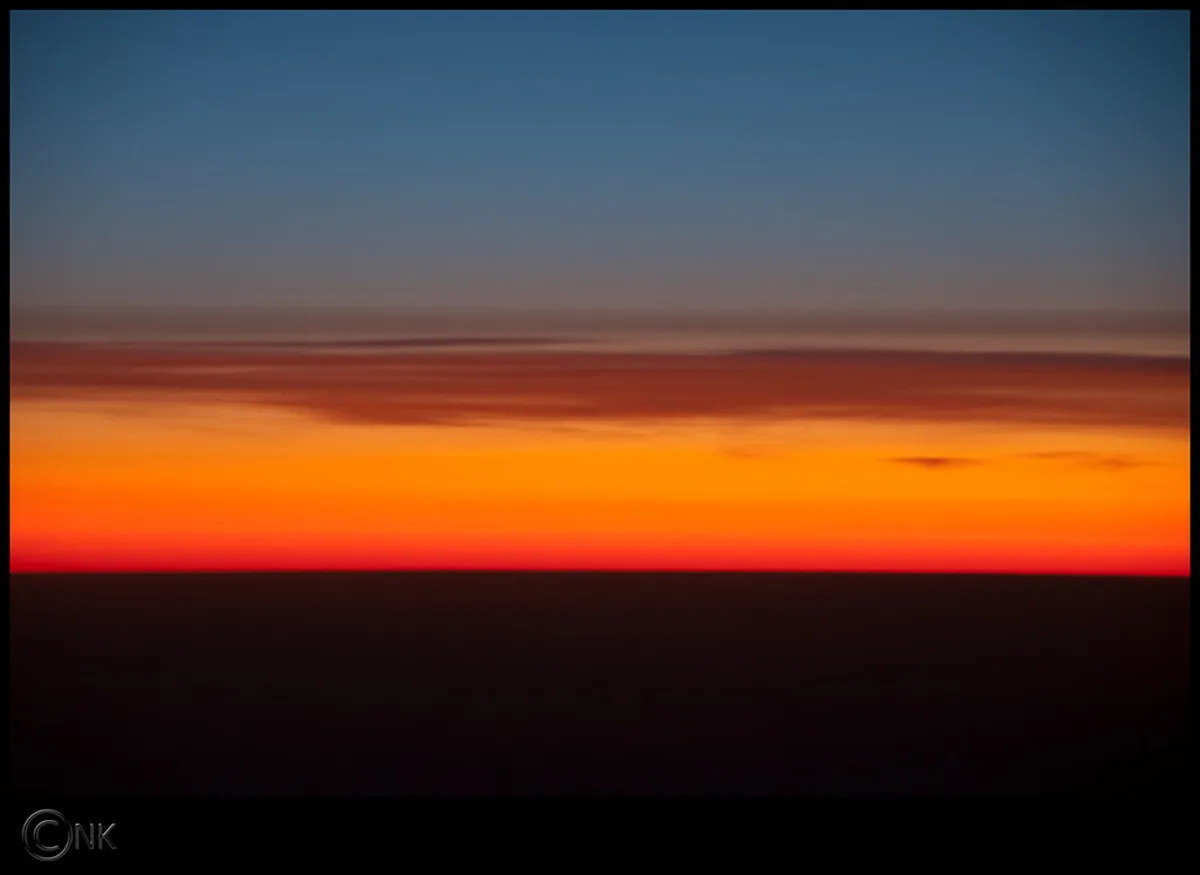
Table of Contents
How to Capture the Winter Sunrise Over Kamakura Sagami Bay
Winter mornings in Kamakura offer a spectacular display of light and color. The sun rises over the horizon of Sagami Bay with incredible clarity. Capturing the winter sunrise over Kamakura Sagami Bay is a rewarding experience for any photographer. The crisp air creates the perfect conditions for sharp landscape images.
During the colder months, the atmosphere remains remarkably clear and free of haze. You can see the orange glow reflecting off the Pacific Ocean waves. This season provides a unique perspective on the famous coastal scenery. You will find many incredible Kamakura winter photography spots along the sandy shoreline.
Early morning photography requires careful preparation and local knowledge. You must arrive before the first light hits the horizon to succeed. This guide provides everything you need for a successful winter shoot. We covers locations, gear, and timing for your 2026 photography trip.
Best Locations for Sagami Bay Sunrise Shots
For the most up-to-date details, check Kamakura travel info before you go.
For the most up-to-date details, check Kamakura travel info before you go.
Shichirigahama Beach is the premier location for capturing the morning light. The wide shoreline offers plenty of room for your tripod setup. You can frame the rolling waves against the rising sun easily. This spot provides a clear view of the bay facing east.Inamuragasaki Park offers a slightly elevated perspective of the rocky coastline. This location is famous for its dramatic views of the crashing surf. You can capture the sun as it peeks over the distant Miura Peninsula. The dark rocks provide a sharp contrast to the bright morning sky.
Yuigahama Beach serves as a quieter alternative for landscape photographers. The gentle curve of the bay creates a soft leading line. You will find beautiful reflections on the wet sand during low tide. This beach is very easy to access from the local train station.
Koshigoe Coastline offers a rugged look with traditional fishing boats in the frame. These boats add a local touch to your sunrise compositions. You can capture the essence of a Japanese coastal village at dawn. The area feels very peaceful before the daily tourists arrive.
Essential Gear for Winter Sunrise Photography
A sturdy tripod is your most important tool for low-light morning shots. Winter winds can be quite strong along the Sagami Bay coast. A heavy tripod ensures your long exposures remain sharp and clear. Ensure your tripod feet are stable on the shifting beach sand.
Wide-angle lenses are perfect for capturing the vastness of the ocean. A 16mm to 35mm lens allows you to include both sky and shore. You can highlight the foreground details like sea foam or shells. These lenses help tell the full story of the coastal landscape.
Graduate neutral density filters help balance the bright sky and dark foreground. The sun creates a high-contrast scene as it breaks the horizon. Filters allow you to retain detail in both the clouds and water. This tool is essential for getting the exposure right in-camera.
Bring extra camera batteries and keep them close to your body. Cold winter temperatures drain battery life much faster than usual. Keep a spare battery in an inner jacket pocket for warmth. Swap them out as soon as your power levels start to drop.
Perfect Timing for 2026 Winter Mornings
Sunrise in Kamakura during January 2026 occurs around 6:50 AM local time. You should arrive at your chosen spot by 6:00 AM. This gives you time to find the best composition. The pre-dawn blue hour offers soft and ethereal lighting conditions.
Check the local tide charts before you head out to the beach. Low tide often reveals interesting tide pools and reflective wet sand. High tide can bring waves closer to your camera equipment. Plan your arrival according to the water levels for safety.
Cloud cover plays a huge role in the quality of your photos. A few scattered clouds can catch the morning light beautifully. Overcast skies might hide the sun entirely from your camera lens. Always check the weather forecast on the evening before your shoot.
The Enoden train line starts running early enough for most sunrise locations. Check the 2026 schedule for the first train departing from Kamakura Station. Most photographers prefer walking if they stay at a local coastal inn. This ensures you never miss the peak light due to delays.
Composition Tips for Coastal Sunrise Images
⭐ Recommendation: Don't miss out on amazing Kamakura tours - book now!
Using leading lines is a great way to guide the viewer's eye. Use the edge of the water or a pier as a line. These elements point directly toward the rising sun on the horizon. This técnica creates a sense of depth in your final image.
Include local landmarks to give your photo a sense of place. On clear days, you can even photograph Mt. Fuji from certain beach angles. The silhouette of the mountain adds an iconic Japanese element. Enoshima Island also makes for a fantastic secondary subject in your shot.
Experiment with long exposure settings to blur the moving ocean waves. A shutter speed of two seconds creates a misty water effect. This technique adds a calm and painterly feel to your work. Make sure your tripod is perfectly still during the long shot.
Look for interesting foreground elements to add interest to the frame. Large rocks or pieces of driftwood work very well for this. They provide a sense of scale against the massive Pacific Ocean. Position your camera low to the ground for a dramatic look.
Dealing with Cold Weather Challenges
Proper clothing is vital for staying comfortable during a long winter shoot. Wear multiple layers to trap heat against your skin effectively. A windproof outer shell is necessary for the breezy bay environment. Do not forget warm gloves that allow for camera operation.
Lens fogging is a common issue when moving between temperatures. Keep your camera in a sealed bag when entering warm buildings. This allows the equipment to warm up slowly without moisture buildup. Carry a microfiber cloth to wipe away any morning sea spray.
Winter mornings can be very chilly before the sun actually hits. Bring a thermos of hot tea or coffee to stay warm. Standing still on the sand for an hour is difficult. Movement will help keep your blood flowing while you wait.
Watch out for rogue waves while you are focused on shooting. Sagami Bay can have sudden swells that reach high up the beach. Never turn your back on the ocean while setting up gear. Keep your camera bag off the wet sand at all times.
Frequently Asked Questions
What is the best month for capturing the winter sunrise in Kamakura?
January and February offer the clearest skies for photography. The air is very dry during these months in Japan. This lack of humidity provides the best visibility for coastal shots. You will also enjoy the best chances of seeing Mt. Fuji.
Are there any fees to access the beaches in Kamakura?
Most public beaches in Kamakura are free to enter at dawn. You can walk onto the sand without paying any entrance fees. Some parks like Inamuragasaki are also open to the public daily. Always check for local signage regarding restricted areas or private piers.
Is it safe to photograph the sunrise alone in Kamakura?
Kamakura is a very safe city for solo travelers and photographers. Many locals take morning walks along the bay at sunrise. You should still remain aware of your surroundings at all times. Check the Kamakura winter weather guide for safety warnings about winter storms.
Can I use a drone for sunrise photos at Sagami Bay?
Drone regulations in Japan are very strict and require official permits. Most areas around Kamakura have specific flight restrictions for hobbyists. You must check the latest laws before launching any aerial equipment. Handheld photography is always the safer and easier option here.
Capturing the winter sunrise over Kamakura Sagami Bay is a magical experience. The combination of golden light and blue water is truly unforgettable. Plan your 2026 trip carefully to make the most of this season. We hope these tips help you take your best photos yet.
Bring your camera and a sense of adventure to the coast. The stunning views of the Pacific Ocean await your arrival this winter. Start scouting your favorite spots along the Enoden line today. Happy shooting under the beautiful light of the Japanese morning sun.
Key Takeaways
🌟 Local Expert Tip: Get the most out of your Kamakura visit with guided tours!
- Arrive at the beach at least 45 minutes before sunrise.
- Use a sturdy tripod to handle the strong coastal winds.
- Keep spare camera batteries warm in your jacket pockets.
- Layer your clothing to stay warm while standing on the sand.
Related reads: polarcityguide.com, kamakura winter travel guide 2026.