
Kamakura Winter Temple Guide: 2026 Best Spots
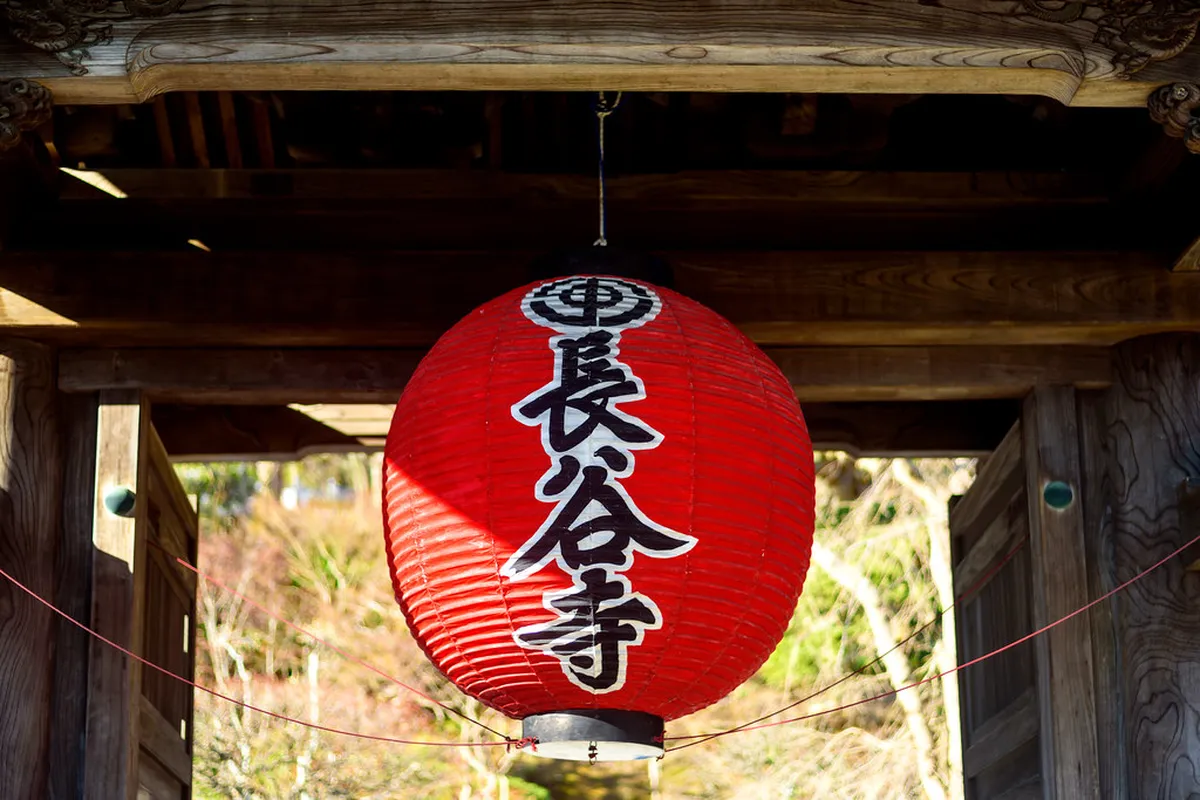
Table of Contents
The Ultimate Kamakura Winter Temple Guide for 2026
Kamakura transforms into a peaceful oasis during the cold winter months of 2026. Visiting these ancient spiritual sites offers a unique perspective on Japanese culture in the snow. This Kamakura winter temple guide helps you navigate the frosty morning air and quiet paths. The coastal city feels much more intimate without the large summer crowds.
The crisp air makes the mountain scenery look sharp and beautiful against the blue sky. You will find fewer tourists blocking your views of the historic architecture and statues. Most temples open early allowing visitors to witness the morning rituals in quiet contemplation. Planning your visit requires understanding the specific winter schedules and local seasonal conditions.
Top Sites for Your Kamakura Winter Temple Guide
For practical details and last-minute changes, use Kamakura official info.
For current hours, prices, and announcements, start with Early Morning.
The Great Buddha at Kotoku-in looks massive against the clear blue winter sky. This bronze statue remains open daily from 8:00 AM until 5:00 PM throughout the year. Winter provides exceptional light for photographers looking to capture the statue's calm expression. Admission costs roughly 300 yen for your Great Buddha winter visit.Hasedera Temple offers stunning views of the Sagami Bay from its high observation platforms. The gardens here are famous for their seasonal beauty even during the coldest months. Visitors can explore the underground cave dedicated to Benzaiten for a unique spiritual experience. The temple grounds stay open until 4:30 PM during the shorter winter days.
Engakuji Temple sits conveniently near the Kita-Kamakura station for very easy visitor access. This massive Zen complex features several national treasures and beautiful wooden structural designs. You should visit the Shariden hall which is a masterpiece of Chinese-style Zen architecture. The morning frost on the thatched roofs creates a truly magical atmosphere for guests.
Tokeiji Temple is another nearby gem known for its peaceful and historic plum orchards. Historically this site served as a refuge for women seeking a safe sanctuary. Today it offers a calm space for meditation and viewing early spring flowers in February. The entrance fee is modest making it an affordable stop on your walk.
Weather Tips for Kamakura Winter Temple Visits
Winter weather in Kamakura stays relatively mild compared to the northern parts of Japan. Daytime temperatures usually hover around 10 degrees Celsius during the peak of January. You should check a Kamakura winter weather guide before packing your bags. Sunny days are common which makes walking between different temples very enjoyable.
Sea breezes can make the air feel much colder than the actual temperature suggests. You should wear thermal layers to protect yourself from the wind near the coast. Many temples have stone floors which can feel quite icy through your thin socks. Bringing thick wool socks or portable heating pads will enhance your overall physical comfort.
Snow is rare in Kamakura but it creates a stunning scene when it falls. If you are lucky enough to see snow the temples look like classic paintings. You must walk carefully on the traditional stone paths because they become very slippery. Most paths are cleared quickly by the monks to ensure visitor safety and access.
Early sunset means you have fewer daylight hours to explore the outdoor shrine grounds. The sun usually sets around 4:30 PM during the months of December and January. You should start your day at 8:00 AM to maximize your available sightseeing time. Many temples use beautiful lanterns to light the main paths during the dark evenings.
Festive 2026 Kamakura Winter Activities
New Year celebrations draw huge crowds to Tsurugaoka Hachimangu for the first shrine visit. This tradition is called Hatsumode and involves praying for health and success in 2026. You can participate in other fun Kamakura winter activities like buying lucky charms. The atmosphere is energetic with many food stalls offering hot snacks to visitors.
Kencho-ji Temple hosts traditional Zen meditation sessions that are perfect for the quiet winter season. Sitting in the cold hall helps you focus your mind on deep breathing techniques. These sessions are often open to beginners who want to learn about local culture. You should wear loose clothing to stay comfortable during the long seated meditation periods.
The Setsubun festival in early February marks the official beginning of the spring season. Many temples hold bean-throwing ceremonies to drive away evil spirits and bring good luck. Priests and local celebrities throw roasted soybeans at crowds while chanting powerful traditional prayers. It is a lively event that highlights the community spirit of this historic city.
Evening illuminations occasionally decorate the main temple paths during special holiday weekend events. These light displays highlight the intricate details of the pagodas and ancient garden trees. You should check the local tourism website for specific illumination dates during your stay. These events provide excellent opportunities for night photography without the usual daytime crowds.
Viewing Winter Flowers in Kamakura Gardens
💡 Pro Tip: Book your Kamakura adventures in advance through Viator for the best deals!
Winter peonies are a highlight of the garden at Tsurugaoka Hachimangu during January. These delicate flowers are protected from the cold by small traditional straw huts. You can enjoy winter flower viewing in Kamakura at several major shrine locations. The contrast between the bright flowers and straw covers is very photogenic.
Plum blossoms start to appear in late January and reach full bloom in February. Zuisenji Temple is particularly famous for having one of the best plum orchards. The sweet scent of the blossoms fills the air on sunny winter afternoons. These flowers represent resilience and beauty during the transition from winter into spring.
Camellias bloom throughout the winter months providing splashes of red and pink color. You can find these hardy plants scattered across the hillsides surrounding the northern temples. They look particularly striking when a light dusting of snow covers their dark leaves. Many temple tea houses offer seasonal treats that complement the floral garden views.
Narcissus flowers also begin to pop up along the walking trails in early January. These small white blooms signal the coming end of the deep winter cold. They are often found near the entrances of smaller neighborhood shrines and local parks. Walking through the city becomes a treasure hunt for these early seasonal signs.
Photography Tips for Kamakura Winter Temples
🎯 Insider Tip: Discover the best Kamakura experiences with Viator Tours!
The low angle of the winter sun creates long dramatic shadows on temple grounds. You can capture beautiful textures on the ancient wood and weathered stone surfaces. Look for Kamakura winter photography spots that offer elevated views of the city. Morning light is generally the best for capturing the spiritual essence of temples.
Vibrant red torii gates stand out sharply against the bare trees and grey skies. You should look for compositions that include these bold colors to create visual interest. Clear winter days provide perfect visibility for shots encompassing the distant Mount Fuji. The best views of Fuji are often found from the western beaches.
Using a tripod might be restricted inside some temple buildings and narrow garden paths. You should always check for signs or ask the staff before setting up equipment. A fast prime lens is useful for capturing details in dimly lit temple interiors. Remember to be respectful and avoid distracting worshippers with loud camera shutters.
Macro photography is ideal for capturing the detail of frozen water in stone basins. The ice patterns on the water surface create unique and intricate natural abstract designs. You can also focus on the details of the straw yukiyoke flower protectors. These elements tell a story of how the locals care for their gardens.
Essential Temple Etiquette for Visitors
💡 Pro Tip: Book your Kamakura adventures in advance through Viator for the best deals!
Bowing at the temple gate shows proper respect to the resident spirits and monks. You should walk on the sides of the paths rather than the center. The center of the path is traditionally reserved for the visiting Shinto deities. Maintaining a quiet voice helps preserve the peaceful environment for everyone present.
The purification ritual at the water fountain involves washing your hands and mouth. You must use the wooden ladle correctly without letting it touch your lips directly. This act signifies spiritual cleansing before you approach the main hall for prayer. Many visitors find this traditional ritual to be a very grounding experience.
Taking photos of the primary altar or statues is often strictly forbidden indoors. You must look for signs that indicate whether photography is allowed in specific areas. If you are unsure it is always better to keep your camera away. Respecting these rules ensures that the sacred atmosphere remains undisturbed for monks.
Proper attire is important even though Kamakura is a casual coastal city for tourists. You should avoid wearing overly revealing clothing when visiting these active religious sites. Removing your shoes is mandatory before entering the wooden temple halls or tea rooms. Many places provide slippers but wearing clean socks is a courteous practice.
Frequently Asked Questions
Is it worth visiting Kamakura in the winter?
Yes winter is a fantastic time to visit this historic coastal town. You will enjoy smaller crowds and much shorter wait times at popular attractions. The clear air often provides the best views of Mount Fuji from the beach. Prices for local accommodation are usually lower than in the busy summer.
Does it snow in Kamakura often?
Snow is quite rare in Kamakura due to its mild coastal climate. You might see a light dusting of snow once or twice per year. It usually melts quickly but creates a beautiful scene for morning photography. Most days are sunny and dry throughout the winter months of 2026.
What should I wear for a winter temple tour?
You should wear warm layers that are easy to remove when entering buildings. Comfortable walking shoes are essential for navigating the hilly stone paths and stairs. Bring thick socks because you must remove shoes to enter most temple halls. A windproof jacket will protect you from the cold sea breezes near Hasedera.
Are temples open on New Year's Day?
Most temples and shrines are open and very busy on New Year's Day. This is the busiest time of year for religious sites in Japan. Many sites stay open 24 hours to accommodate the large crowds of worshippers. Expect long lines at major spots like Tsurugaoka Hachimangu during this week.
Using this Kamakura winter temple guide ensures a smooth and spiritual 2026 journey. The city offers a perfect blend of history and seasonal natural beauty. Remember to dress warmly and respect the local traditions at every sacred site. Enjoy the quiet moments of reflection that only the winter season can provide.
Key Takeaways
- Visit Kotoku-in early to see the Great Buddha in perfect morning light.
- Wear warm socks for when you have to remove your shoes inside.
- Look for winter peonies protected by straw mats at Hasedera and Hachimangu.
- Check closing times early as many temples shut by 4:30 PM.
Related reads: polarcityguide.com.