
Kinkaku-ji Golden Pavilion in the Winter Snow Guide
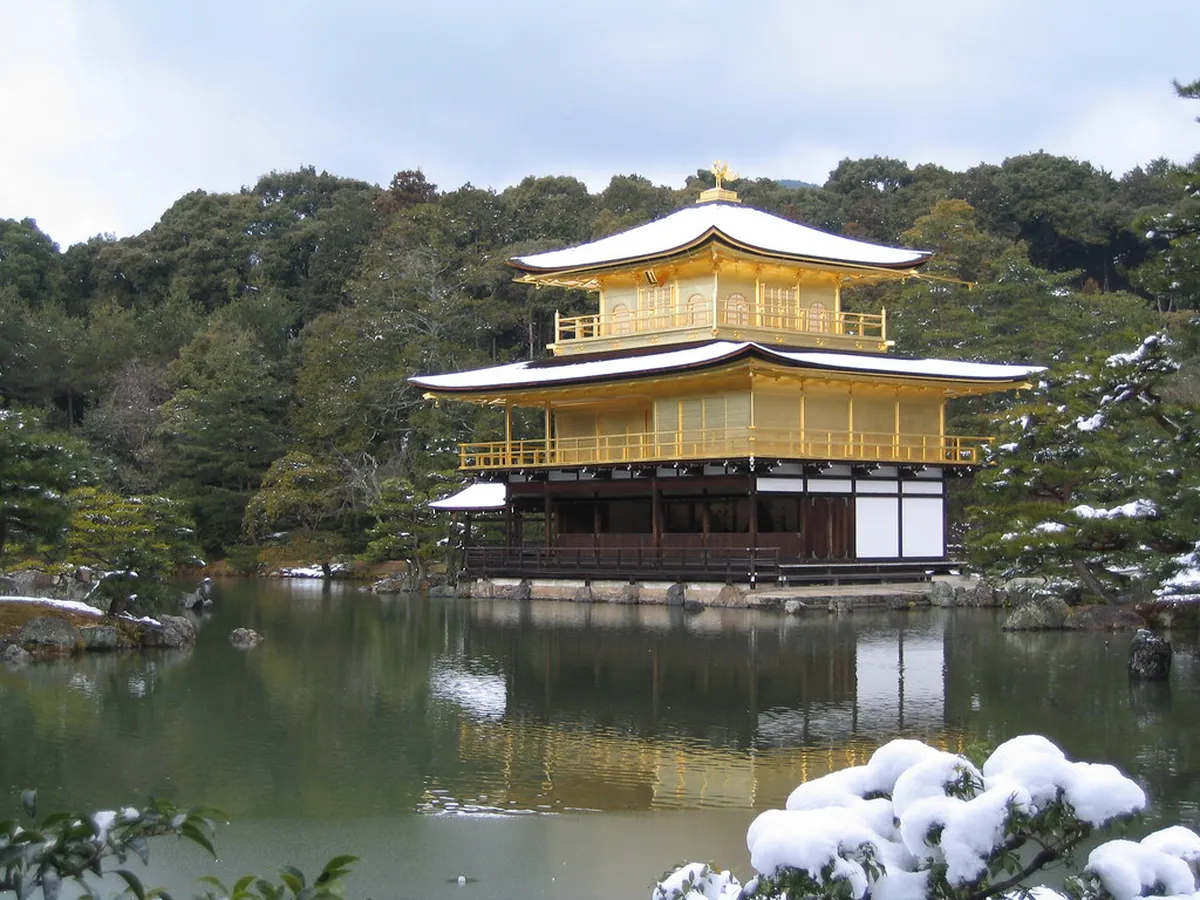
Table of Contents
Seeing Kinkaku-ji Golden Pavilion in the Winter Snow
Kyoto offers a rare beauty during the cold winter months of 2026. Visiting Kinkaku-ji Golden Pavilion in the winter snow is a magical experience for every traveler. This Zen temple stands as one of the best snow spots in Kyoto today. The gold leaf glows brilliantly against the soft white landscape in northern Kyoto city.
Planning your visit to see the Golden Pavilion in winter requires some careful timing. Most visitors consider this view to be the pinnacle of a winter trip to Japan. The sight of gold leaf against fresh snow creates a memory that lasts a lifetime. You will find that the atmosphere feels incredibly peaceful during these rare snowy mornings.
Best Time to See Kinkaku-ji in the Snow
For official information, visit Kyoto travel info.
For the most up-to-date details, check Kyoto travel info before you go.
Snow in Kyoto city is quite rare and often melts quickly during the daytime hours. Plan your visit for January or February in 2026 for the best snow chances. You should arrive early in the morning to catch fresh accumulation on the roof. The gates usually open at 9:00 AM for all visitors arriving at the temple.Check local weather reports frequently during your winter stay in the historic city of Kyoto. Heavy snowfall usually happens only a few times each year in this part of Japan. Look for our best time for snow photography in Kyoto guide for more details. This helps you track the most likely days for a perfect whiteout event.
The snow creates a stunning contrast against the gold-plated structure of the famous Zen pavilion. This view is considered one of the most iconic images of Japan during the winter. Most photographers wait years to capture this specific winter scene in person. The reflection in the Mirror Pond looks like a peaceful dream under the morning sun.
Temperatures often drop below freezing during the night in the northern mountains of the city. This helps the snow stay on the pavilion roof until the sun rises high. Try to visit on a weekday to avoid the largest crowds of local tourists. You will have a better chance of getting a clear view of the pavilion.
Photography Tips for the Golden Pavilion
Shooting Kinkaku-ji Golden Pavilion in the winter snow requires careful camera settings for the best results. Use a slightly faster shutter speed to freeze falling flakes against the dark trees. Adjust your exposure to prevent the white snow from looking gray in your final images. Bring extra batteries because cold weather drains power very quickly during winter photography sessions.
The viewing area can get very crowded on snowy mornings even during the early hours. Stay patient and wait for a clear spot at the railing for the best angle. Use a lens with a versatile zoom for different perspectives of the golden structure. Most people prefer the wide shot across the famous pond for a classic look.
Do not use a tripod inside the temple grounds at Kinkaku-ji under any circumstances. Staff members strictly enforce this rule to manage heavy foot traffic on the narrow paths. Monopods are also generally forbidden in the main viewing areas near the Mirror Pond. Hold your camera steady for the sharpest possible winter images in the cold air.
Try to capture the reflection of the gold leaf in the still water of the pond. The snow on the surrounding pine trees adds a beautiful frame to your winter photos. Look for small details like the snow piling on the traditional stone lanterns. These elements tell a complete story of your winter journey through northern Kyoto.
Practical Information for Your Winter Visit
The entrance fee for Kinkaku-ji is 500 yen for most adults visiting in 2026. Students and children usually pay a reduced rate for entry into the sacred temple grounds. You will receive a traditional paper charm as your entrance ticket for the visit. Keep this beautiful souvenir to remember your winter journey through the historic city center.
Wear warm layers and waterproof shoes for walking on the snowy paths of the temple. The ground around the pond can become slippery when icy during the cold morning hours. Temperatures often hover around freezing during early morning winter visits to the northern district. Carry hand warmers to keep your fingers flexible for your camera and phone use.
Public buses are the most common way to reach the temple from the main station. Take bus numbers 101 or 205 from the Kyoto Station bus terminal every morning. The ride takes about 40 minutes depending on road conditions and the current traffic. Expect delays if the snow is particularly heavy on the main city streets today.
The temple is open daily from 9:00 AM until 5:00 PM for all visitors. There are no holiday closures during the winter season for this popular world heritage site. Arriving 30 minutes before opening is a smart strategy for the best photo spots. This allows you to enter the grounds as soon as the gates open.
Combining Your Visit with Other Snow Spots
🌟 Local Expert Tip: Get the most out of your Kyoto visit with guided tours!
Kyoto has many other locations that look stunning under a fresh blanket of white snow. Many travelers explore the best snow spots in Kyoto in one single winter day. You can easily visit nearby Ryoan-ji after seeing the Golden Pavilion in the morning. These northern temples tend to receive more snow than the downtown shopping areas.
Review our complete Kyoto winter travel guide 2026 for more trip planning ideas. This guide helps you plan a full itinerary for your upcoming trip to Japan. Consider visiting the northern mountains for deeper snow and quiet shrines away from crowds. Each location offers a unique perspective on the quiet beauty of a Japanese winter.
The city looks completely different when covered in a thick white blanket of fresh snow. You will find that local shops sell warm seasonal treats for visitors to enjoy. Try the hot matcha and seasonal sweets at the exit of the temple grounds. These small details make your winter visit to Kinkaku-ji truly special and very memorable.
Walking between temples in the snow can be a very peaceful and meditative experience. The sounds of the city are muffled by the thick layer of fallen white snow. Take your time to enjoy the gardens at each stop on your winter itinerary. The contrast between the architecture and nature is most visible during this cold season.
Frequently Asked Questions
🎯 Insider Tip: Discover the best Kyoto experiences with Viator Tours!
How often does it snow at Kinkaku-ji in Kyoto?
Snow usually falls only a few times during the months of January and February. It rarely stays on the ground for more than a day in the city. Timing is everything for seeing the Golden Pavilion covered in white snow.
Is Kinkaku-ji open every day during the winter season?
Yes, the temple remains open throughout the entire winter season for all visitors. Hours are typically 9:00 AM until 5:00 PM every day of the week. Check for special closings during extreme weather events which are very rare.
Can I take photos inside the buildings at the temple?
No, visitors are not allowed inside the actual Golden Pavilion structure at any time. You can only view the building from across the pond on the walking path. This maintains the sacred atmosphere and protects the delicate gold leaf exterior.
Visiting the Kinkaku-ji Golden Pavilion in the winter snow is a rare and beautiful treat. Ensure you check the weather and arrive early for the best possible views in 2026. The combination of gold and white creates an unforgettable sight for every traveler. Enjoy your winter adventure in the historic heart of Kyoto this coming season.
Key Takeaways
- Visit in January or February for the best snow chances.
- Arrive at 9:00 AM to see fresh snow before it melts.
- Wear waterproof shoes for the slippery and icy walking paths.
- Use bus 101 or 205 for easy access from Kyoto Station.
Related reads: polarcityguide.com, kiyomizu dera temple winter snow views and photos.