
Kiyomizu-dera Temple Winter Snow Views and Photos
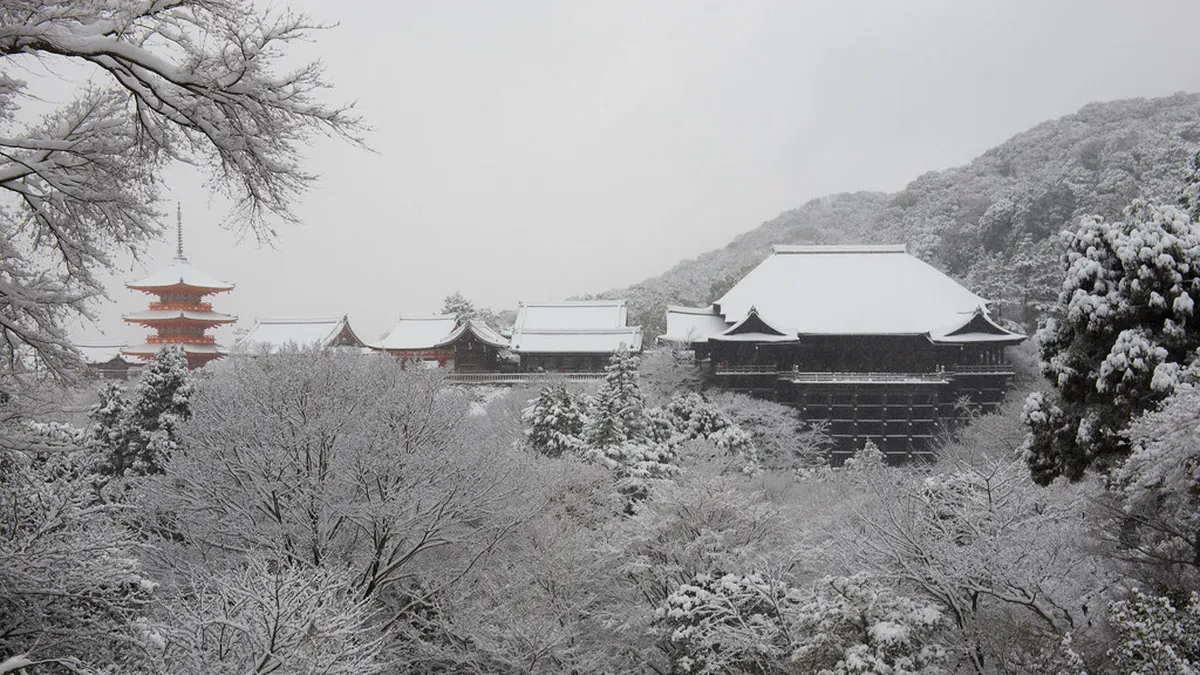
Table of Contents
Top Kiyomizu-dera Temple Winter Snow Views and Photos
Kiyomizu-dera temple winter snow views and photos offer a magical experience for every traveler visiting Kyoto in 2026. This UNESCO World Heritage site transforms into a white wonderland during the rare snowfall events each winter. The sight of the massive wooden stage covered in fresh powder is truly unforgettable for visitors. You will find that this iconic temple remains one of the best snow spots in Kyoto today.
Planning a trip to see these views requires careful timing and preparation for the cold mountain air. Snow usually falls in January or February but often melts away by the early afternoon hours. You should consult a reliable Kyoto winter travel guide to track local weather patterns effectively. The temple opens its gates at 6:00 AM which is the ideal time for photography enthusiasts.
Best Photo Spots for Winter Snow
For current hours, prices, and announcements, start with Kyoto travel info.
For current hours, prices, and announcements, start with Kyoto travel info.
The Okuno-in Hall provides the most famous vantage point for capturing the main temple building and its stage. From this balcony, you can photograph the grand structure against a backdrop of snow-covered trees and city views. The contrast between the orange pagoda and the white landscape creates a striking visual for your 2026 collection. Ensure you use a tripod if you arrive during the early morning hours for the best stability.Walking down the stone steps toward the Otowa Waterfall offers another perspective of the massive wooden support pillars. These pillars stand tall amidst the frost and ice, showcasing ancient Japanese engineering without using a single nail. You can capture the water streams as they flow into the icy basins below the main wooden deck. This area remains shaded and cool, often preserving the snow longer than other parts of the temple.
The Koyasu Pagoda is located on the far side of the valley and offers a quiet atmosphere. This three-storied pagoda looks beautiful when framed by frozen pine branches and soft morning light during winter. It is one of the best snow spots in Kyoto for those seeking peaceful and secluded photo opportunities. Most tourists stay near the main stage, leaving this area perfect for clean and minimalist winter shots.
The entrance gates like the Niomon Gate and the West Gate provide vibrant colors against the white snow. These bright vermilion structures look incredible when topped with a fresh layer of crisp and clean mountain snow. You should focus on the intricate details of the roof tiles and the guardian statues near the entrance. These shots provide a wonderful introduction to your winter gallery of this historic and sacred mountain site.
Essential Tips for 2026 Winter Visits
Visiting Kyoto in 2026 requires preparation for slippery stone paths and steep hills leading up to the temple. You should wear sturdy boots with good grip to navigate the icy slopes of Sannenzaka and Ninenzaka safely. Many visitors find that heat packs or kairo are essential for keeping hands warm while waiting for photos. Dress in multiple layers to stay comfortable as the temperature fluctuates between the morning and the afternoon.
The admission fee for the temple is 400 yen for adults which remains a great value for travelers. You can purchase your tickets at the main gate before heading toward the famous wooden viewing platform area. Most visitors spend about two hours exploring the entire complex and taking various photos from the scenic spots. Try to arrive right when the gates open to experience the most pristine snow before others arrive.
Local buses are the most common way to reach the temple grounds from Kyoto Station or the downtown. You can take bus number 206 or 100 and get off at the Kiyomizu-michi or Gojo-zaka stop. From there, you will enjoy a ten-minute walk through traditional streets filled with shops and cozy tea houses. Be prepared for crowds even in winter as snow draws many locals to this beautiful mountain location.
Photography during snowfall requires extra care for your camera equipment and lenses to avoid moisture damage from melting. Use a waterproof cover or a simple plastic bag to protect your gear from the falling snowflakes today. Bring extra batteries because the cold winter air will drain your power much faster than during the summer. Keeping your spare batteries in an inner pocket will help maintain their charge throughout your long temple visit.
Scenic Views from the Wooden Stage
The main wooden stage stands 13 meters above the ground and offers panoramic views of the entire Kyoto basin. In winter, the city skyline appears crisp and clear beneath the gray winter sky and the falling white snow. You can see the Kyoto Tower in the distance while standing on these ancient and sturdy cypress planks. This height provides a unique sense of scale that is difficult to find elsewhere in the city.
Looking down into the valley reveals a dense forest of maple trees covered in a thick layer of frost. These same trees are famous for autumn colors but look equally stunning when they are turned into ice. The valley floor creates a soft white carpet that muffles the sounds of the city and the tourists. It is a moment of deep silence and peace that defines the true spirit of winter in Kyoto.
The roof of the main hall is made of cypress bark and holds snow remarkably well during the season. You can see the heavy weight of the snow pressing down on the dark and textured traditional roofing. This organic material provides a rustic look that complements the natural beauty of the surrounding mountains and trees. It is a perfect subject for close-up shots that highlight the textures of Japanese temple architecture.
Many people find that the late afternoon light creates long shadows across the snow-covered stage and the temple walls. The setting sun casts a golden glow on the white landscape, making the vermilion accents of the temple pop. This period is often called the golden hour and is highly recommended for professional and amateur photographers alike. Stay until the early evening to see the temple lights begin to glow against the darkening winter sky.
Navigating the Temple Grounds in Winter
🎯 Insider Tip: Discover the best Kyoto experiences with Viator Tours!
The path toward the Jishu Shrine is often icy and requires extra caution during the cold winter months here. This shrine is dedicated to love and matchmaking and features two famous stones that visitors try to walk between. While the stones may be covered in snow, the shrine area remains open for those seeking good fortune. The bright red banners look very beautiful against the white backdrop of the surrounding temple garden areas.
The Otowa Waterfall is located at the base of the main hall and offers three distinct water streams. Visitors use long poles with cups to drink the water, which is believed to grant various special wishes. In winter, the steam from the water creates a mystical atmosphere as it hits the cold and crisp air. It is a great place to rest and enjoy the spiritual energy of the temple grounds.
Walking back toward the exit takes you through a series of smaller halls and beautiful stone garden landscapes. These gardens are carefully maintained and look like a traditional ink painting when covered in a light dusting of snow. You can find many quiet corners for reflection away from the main crowds near the famous wooden stage. The contrast of green moss and white snow is a classic element of Japanese garden design in winter.
The Amida-do and Okuno-in halls are essential stops for their historic statues and their incredible architectural details today. Each hall tells a story of the temple's long history which dates back more than 1,200 years ago. You will see many pilgrims dressed in traditional white clothing even during the coldest days of the winter. Their devotion adds a layer of cultural depth to your visual journey through this sacred mountain space.
Photography Secrets for Kyoto Snow
To capture the best shots, you must understand the best time for snow photography in Kyoto city. Early morning light is soft and prevents the snow from looking too bright or blown out in photos. If the sun is too strong, the snow can lose its detail and look like a solid white mass. Aim for overcast days or the hours just before sunset to get the most balanced light levels.
Try using a polarizing filter to reduce glare from the snow and enhance the blue of the winter sky. This tool will also help the colors of the temple appear more saturated and vibrant in your final images. You can adjust the filter to find the perfect balance between the bright snow and the darker wooden structures. It is a simple addition to your kit that makes a significant difference in professional winter photography.
Composition is key when shooting at such a famous location with many other people walking around the grounds. Use the branches of snow-covered trees to frame your shots and hide any modern elements or large tourist groups. Leading lines like the wooden railings or stone paths can guide the viewer's eye toward the main temple. Look for unique angles from the lower paths to show the height and majesty of the grand stage.
Experiment with your white balance settings to ensure the snow looks pure white rather than blue or slightly yellow. Most cameras have a snow or cloudy setting that works well for these specific and bright outdoor conditions. Taking photos in RAW format allows you to adjust these settings later during your editing process for perfection. This flexibility is vital when dealing with the tricky light found in high-altitude mountain temple settings.
Frequently Asked Questions
💡 Pro Tip: Book your Kyoto adventures in advance through Viator for the best deals!
When is the best time to see snow at Kiyomizu-dera?
The best time to see snow is typically in late January or early February during the peak winter. Snowfall in Kyoto is rare and often lasts only a few hours before melting under the morning sun. You should check the forecast daily and arrive at the temple by 6:00 AM for the best views.
Is the temple stage open when it is snowing?
Yes, the temple stage remains open to the public even during heavy snowfall and very cold weather conditions. Staff members work hard to clear the main paths of ice to ensure the safety of all visitors. You should still be very careful as the wooden planks can become slippery when they are wet.
Are there evening illuminations at Kiyomizu-dera in winter?
Kiyomizu-dera does not typically have a special winter illumination event like it does during the spring or fall. However, the temple is lit up during regular hours, providing a beautiful glow against the dark winter sky. The surrounding streets of Higashiyama often stay lit and busy with shops until the early evening hours.
What should I wear for a winter visit to the temple?
You should wear thermal layers, a heavy coat, and waterproof boots with excellent traction for the icy hills. Adding a scarf, gloves, and a warm hat will help protect you from the cold mountain winds today. Bringing heat packs to keep in your pockets is a popular and effective local tip for staying warm.
Visiting Kiyomizu-dera during the winter provides a rare and beautiful look at one of Japan's most famous landmarks. The combination of ancient architecture and fresh white snow creates a scene that feels like a dream for photographers. Make sure to prepare for the cold and arrive early to capture the best 2026 winter memories. We hope this guide helps you enjoy the stunning views and capture perfect photos during your next trip.
Key Takeaways
💡 Pro Tip: Book your Kyoto adventures in advance through Viator for the best deals!
- Arrive at 6:00 AM for the most pristine snow views.
- Use the Okuno-in balcony for the most iconic photography angle.
- Wear boots with strong grip to navigate slippery stone paths.
- Bring extra camera batteries as the cold drains them quickly.
Related reads: polarcityguide.com, kinkaku ji golden pavilion in the winter snow, best places to see snow in kyoto city.