
2026 Matsumoto Ice Sculpture Festival Guide
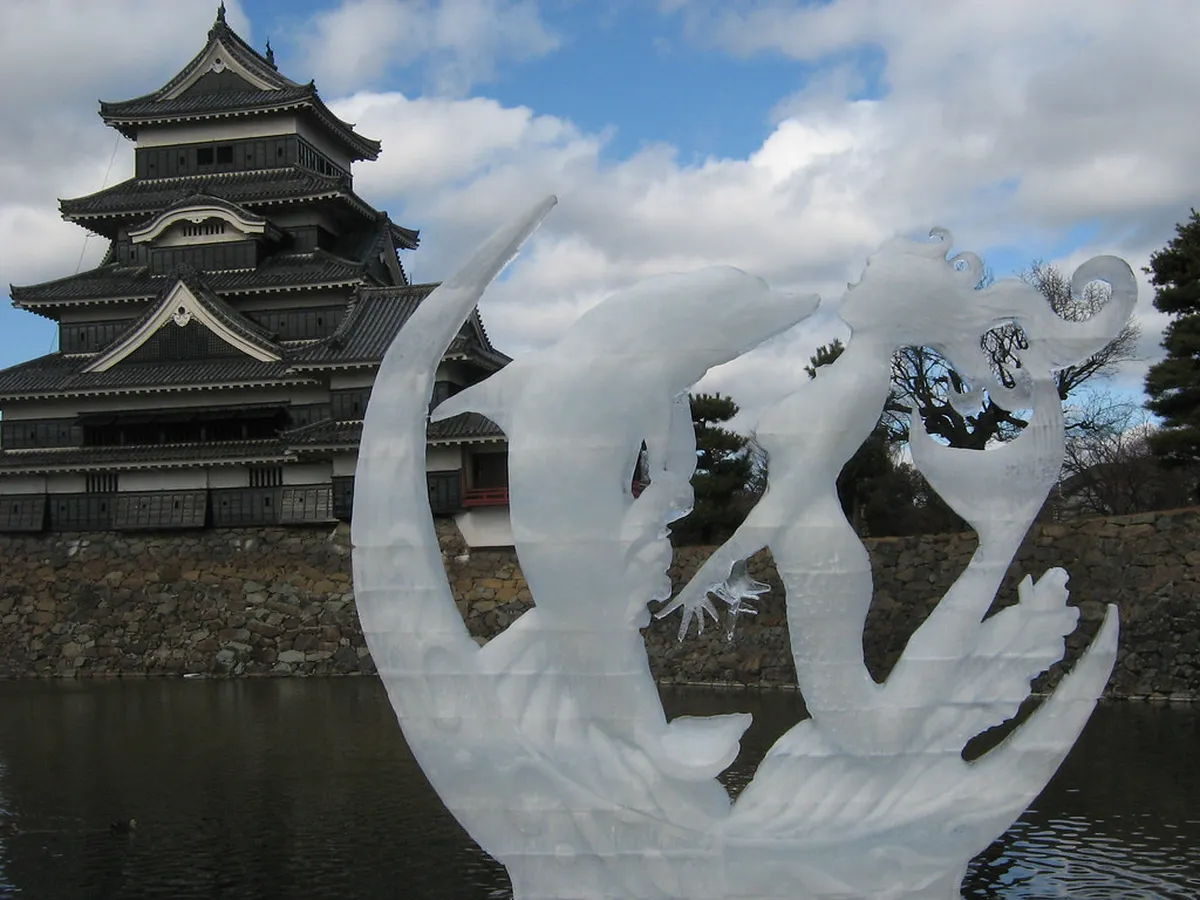
Table of Contents
Your Ultimate 2026 Matsumoto Ice Sculpture Festival Guide
Visiting the Japanese Alps in winter offers a truly magical and memorable experience. The 2026 Matsumoto Ice Sculpture Festival stands as a premier highlight of the cold season. This annual event brings together world-class artists to create frozen masterpieces near the city center. You should read my Matsumoto winter travel guide to plan your entire snowy adventure.
The festival happens against the stunning backdrop of the historic and black Matsumoto Castle. This landmark is one of the few original wooden castles remaining in all of Japan. Seeing the intricate ice carvings next to this ancient fortress creates a very special atmosphere. Thousands of visitors flock to the city every year to witness this impressive artistic display.
The event showcases the incredible skill of carvers who work through the freezing night hours. Their dedication results in massive sculptures that glisten beautifully under the bright winter sun. This guide provides every detail you need to enjoy the festival to the very fullest. We will cover the best times to visit and where to find the best views.
Preparation is the key to enjoying any winter festival in the high mountain regions. The air in Matsumoto during late January is often crisp and quite biting for many. You will need to dress in layers to stay comfortable while walking through the grounds. Let us dive into the specifics of this enchanting and cold Japanese winter celebration.
Festival Schedule and Key 2026 Dates
For current hours, prices, and announcements, start with Matsumoto travel info.
For official information, visit Matsumoto Airport.
The main events for the festival typically occur during the final weekend of January each year. You should double-check the Matsumoto ice festival dates before booking your flights. The carving competition usually begins late on a Saturday evening and lasts until Sunday. Most visitors arrive early Sunday morning to see the finished works in their best condition.The schedule is designed to take advantage of the coldest night temperatures for the artists. Carving starts around 5:00 PM on Saturday and continues through the dark early morning hours. Judges evaluate the final pieces as the sun rises over the nearby mountain peaks. This timing ensures the ice remains solid and clear for the public viewing sessions.
Specific performance times for local musicians and dancers are usually posted at the venue entrance. Afternoon slots on Sunday often feature traditional Japanese drumming and local mascot appearances for kids. These cultural performances add a lively energy to the quiet and frozen castle park grounds. Most major festivities wrap up by late Sunday afternoon as the sculptures begin melting.
Planning your arrival for Saturday evening allows you to witness the intense carving process firsthand. You can watch the artists use chainsaws and small chisels to shape massive blocks of ice. The overnight transformation of basic ice blocks into detailed dragons or heroes is truly amazing. Stay for at least two days to experience both the creation and the final show.
Pro Tip: Arrive at the castle gardens before 9:00 AM on Sunday for the best light. The morning sun makes the sculptures look like sparkling diamonds against the dark castle walls. You will also avoid the largest crowds that tend to gather during the midday hours. Early visitors get the most pristine views of the ice before any wear and tear.
Watching the Intense Ice Carving Process
The heart of the festival is the National Ice Carving Championship held on Saturday night. Professionals from all over Japan travel here to compete for the prestigious top prize. They work in teams to transform several tons of ice into delicate and fragile art. Watching them work in the sub-zero temperatures is a testament to their incredible physical stamina.
Most carvers use a combination of heavy power tools and very sharp hand-held instruments. You will hear the loud roar of chainsaws echoing across the quiet castle moat. Fine details like scales or feathers are later added using specialized small picks and scrapers. The artists must work quickly before the ice becomes too brittle or starts to crack.
Spectators are welcome to stand behind the safety ropes and watch the entire creative process unfold. It is fascinating to see a rough block slowly take the shape of a person. The air is filled with flying ice chips that look like glitter under the spotlights. Many teams work through the night without taking any major breaks or resting at all.
The level of detail achieved by these master carvers is often difficult to believe or understand. You might see a giant phoenix with wings that look light enough to actually fly. Some artists choose to depict scenes from Japanese folklore or famous historical figures from the region. Every year brings a new set of themes that challenge the limits of the medium.
Safety is a priority for both the talented artists and the curious crowds of spectators. Barriers are placed around the carving zones to keep everyone at a safe and respectful distance. Please follow all instructions from the event staff to ensure a smooth and enjoyable experience. Respecting the workspace of the artists allows them to focus on their difficult overnight task.
Castle Illuminations and Night Photography
The atmosphere changes completely once the sun sets and the colorful evening lights turn on. Powerful spotlights illuminate the ice sculptures to create a glowing and ethereal winter wonderland scene. The contrast between the cold ice and the dark night sky is visually very striking. You can find excellent castle photography tips to help capture these glowing moments.
Nighttime viewing offers a much different perspective than seeing the sculptures during the bright daylight hours. Various colors are used to highlight the depth and the intricate textures of the ice. The reflection of the castle in the frozen moat adds another layer of beauty. It is the perfect time for romantic walks and taking high-quality long-exposure photographs.
Photographers should bring a sturdy tripod to handle the low-light conditions and long shutter speeds. Cold batteries tend to drain much faster than usual in the freezing mountain air of Nagano. Keep your spare batteries inside a warm pocket close to your body to prolong life. Using a remote shutter release will also help prevent any unwanted camera shake or blur.
The best vantage point is often from across the red bridge on the castle's western side. From here, you can frame the ice sculptures with the main castle tower in the background. The glowing ice creates a foreground interest that leads the eye toward the historic wooden structure. Be patient and wait for gaps in the crowd to get the cleanest shots.
- Best Time: 6:00 PM to 8:00 PM
- Equipment: Tripod and wide-angle lens
- Focus: Manual focus on the ice edges
- Setting: Low ISO for cleaner images
Experiencing Local Food and Festival Snacks
💡 Pro Tip: Book your Matsumoto adventures in advance through Viator for the best deals!
No Japanese festival is complete without a wide variety of delicious and steaming hot food stalls. You can find several rows of vendors offering regional specialties near the castle park entrance. Trying the local food in Matsumoto is a great way to stay warm during the event. Fragrant steam rises from large pots of soup and grilled meats throughout the festival grounds.
Oyaki dumplings are a must-try local snack that consists of flour dough stuffed with vegetables. They are often grilled on a flat iron pan and then steamed to perfection. Common fillings include fermented radish or sweet bean paste for those with a sweet tooth. These hearty snacks provide plenty of energy for walking around the large castle park area.
Another popular winter treat in this region is warm Shinshu soba noodles served in hot broth. Soba is a famous local specialty because of the high-quality water found in the nearby mountains. A hot bowl of noodles will quickly warm your core on a freezing January night. The simple flavors are very satisfying and represent the authentic taste of the Nagano prefecture.
Sweet stalls offer traditional treats like toasted mochi and hot amazake, which is a sweet rice drink. Amazake is non-alcoholic and contains many nutrients to help you fight off the winter cold. It has a thick texture and a naturally sweet flavor that most people find very comforting. You can usually buy a cup for around 300 to 500 Japanese yen.
Popular Festival Foods:
- Hot Miso Soup (Tonjiru)
- Grilled Yakitori Skewers
- Warm Sake or Amazake
- Steamed Meat Buns (Nikuman)
Location and How to Reach the Grounds
The ice sculpture festival primarily takes place within the Honmaru Garden of the famous Matsumoto Castle. This central location makes it very easy to access for visitors staying in the city area. You can walk to the castle from Matsumoto Station in about fifteen to twenty minutes. The path is flat and takes you through several interesting shopping streets along the way.
If you prefer not to walk, local buses run frequently from the main station to the castle. Look for the Town Sneaker bus that circles the major tourist spots in the downtown area. A one-way trip costs approximately 200 yen and takes less than ten minutes to arrive. The bus stop is located directly across from the castle's main drum gate entrance.
Travelers arriving from Tokyo should take the limited express Azusa train for a direct three-hour journey. The train ride offers beautiful views of the Japanese countryside and the towering Mt. Fuji. It is advisable to book your train tickets in advance during the busy festival weekend. The city's hotels also fill up very quickly during this popular winter event period.
Parking near the castle is quite limited and can be very expensive during the peak festival hours. I highly recommend using public transportation to avoid the stress of finding a suitable parking spot. If you must drive, arrive very early in the morning to secure a space nearby. Most lots use a flat rate system for the duration of the entire day.
Entrance to the castle park grounds during the festival is usually free for all public visitors. However, if you wish to enter the main castle tower, a small admission fee is required. The castle interior provides a fascinating look at samurai history and ancient defensive architectural styles. It is well worth the extra cost to explore the inside of the National Treasure.
Essential Tips for a Comfortable Visit
Staying warm is your number one priority when attending this outdoor event in the middle of winter. You should follow a winter packing list to ensure you have all the right gear for the trip. Wear thermal base layers and a thick down jacket to protect yourself from the wind. Good quality wool socks and insulated boots are also extremely important for walking on snow.
Buy heat packs known as kairo from local convenience stores to keep your hands and feet warm. These small packs stay hot for many hours and are very affordable for any budget level. You can stick them inside your gloves or even inside your shoes for extra comfort. They are an essential item for anyone planning to stay outside for several hours.
Restrooms are available within the park, but lines can get quite long during the peak afternoon times. Try to use the facilities at the train station or in local cafes before arriving. Most public restrooms in Japan are very clean and equipped with modern heated seats for comfort. Having a small bottle of hand sanitizer is always a good idea for outdoor festivals.
Take frequent breaks in indoor locations to give your body a chance to warm up properly. Many nearby museums and souvenir shops offer heated spaces where you can escape the biting cold. Enjoying a hot coffee or tea at a local cafe is a great way to recharge. Do not push yourself too hard if you start feeling uncomfortably cold or tired.
Packing Checklist:
- Thermal underwear (top and bottom)
- Waterproof winter boots with grip
- Warm gloves and a knit hat
- Portable phone power bank
Frequently Asked Questions
🌟 Local Expert Tip: Get the most out of your Matsumoto visit with guided tours!
Is the Matsumoto Ice Sculpture Festival free to attend?
Yes, viewing the ice sculptures in the castle park is free for all visitors. You only pay a fee if you choose to enter the main castle tower. Most food and drink items at the stalls are also reasonably priced.
What happens if it rains during the ice festival?
The event usually proceeds even if there is light rain or snow falling from the sky. However, heavy rain can cause the sculptures to melt or lose their fine details quickly. Check the local weather forecast before you head out to the castle grounds.
How long does it take to see the entire festival?
Most visitors spend between two to four hours exploring the sculptures and the local food stalls. If you visit the castle tower, you should add another hour to your total schedule. The night illumination viewing typically takes about forty-five minutes to see everything.
Are the ice sculptures available to see during the week?
The sculptures are only on display during the specific festival weekend in late January. Because they are made of ice, they begin to melt immediately once the temperatures rise. You must visit during the scheduled event dates to see them in person.
The 2026 Matsumoto Ice Sculpture Festival is an experience you will remember for many years to come. Combining ancient history with modern artistic skill, it remains a top winter destination in Japan. Be sure to dress warmly and bring a high-quality camera to capture the magic. Start planning your trip today to witness these incredible frozen masterpieces in person.
Key Takeaways
🌟 Local Expert Tip: Get the most out of your Matsumoto visit with guided tours!
- Visit early Sunday morning for the best light and smallest crowds
- Bring 2-3 portable heat packs (kairo) to stay warm during the night
- Watch the overnight carving on Saturday to see the artists in action
Related reads: polarcityguide.com, winter weather guide for matsumoto, best onsens near matsumoto city.