
Cultural Performances at Naha Theaters This Winter
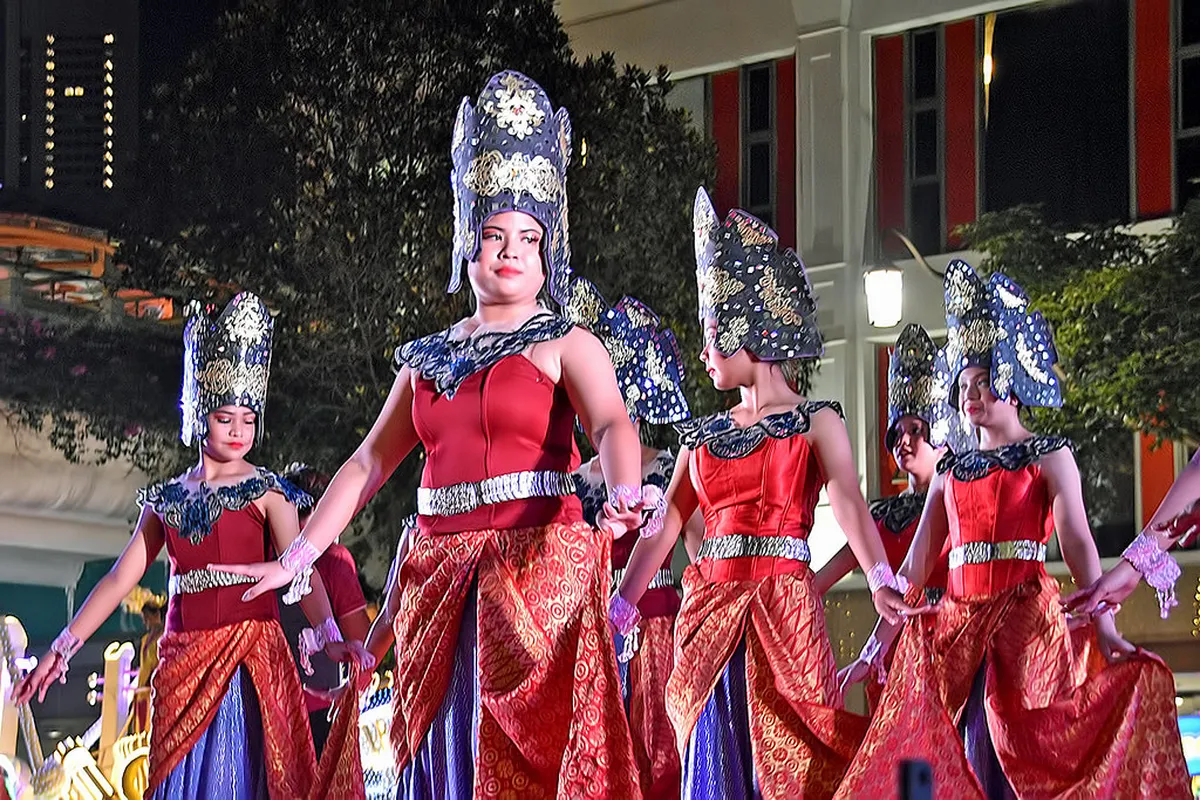
Table of Contents
Best Cultural Performances at Naha Theaters This Winter 2026
Naha comes alive with vibrant color during the chilly winter months of 2026. Visitors can enjoy stunning cultural performances at Naha theaters this winter to escape the cold. These shows offer a glimpse into the ancient Ryukyu Kingdom history. The warm indoor venues provide a perfect escape from northern winds.
Theater in Okinawa is more than just entertainment for the locals. It represents a living history that survived many challenges throughout the centuries. You will see elaborate costumes made from beautiful Bingata fabrics. The music uses the haunting sounds of the traditional Sanshin instrument.
Planning your visit is easy with several venues located in the city center. Many shows offer English subtitles or helpful program guides for international guests. This makes the experience accessible for everyone visiting Japan this season. You can check the Naha winter travel guide 2026 for more planning tips.
Experience Traditional Kumiodori Dance
For official information, visit Naha Airport Authority.
To plan your trip, review Japan National Tourism Organization.
Kumiodori is a world-class narrative dance form unique to Okinawa. It was developed in the 18th century to entertain visiting Chinese envoys. This art form is officially recognized as a UNESCO Intangible Cultural Heritage. Winter 2026 features several classic plays at the National Theatre Okinawa.The performances blend music, dance, and poetic chanting into one show. Actors wear heavy silk robes with bold geometric patterns and bright colors. Their movements are slow, precise, and full of deep emotional meaning. You will feel the grace of the Ryukyu royal court through every step.
Tickets for Kumiodori usually range from 3,000 to 5,500 yen for adults. Most plays last about two to three hours with short intermissions. The National Theatre provides excellent views from every seat in the house. Be sure to arrive thirty minutes early to read the English program notes.
The theater itself is a modern architectural masterpiece designed for acoustic perfection. It is located near the Urasoe border but remains easily reachable from Naha. Large groups often book seats months in advance for weekend shows. Winter is a popular time for school groups and cultural enthusiasts alike.
The Soul of Okinawa: Sanshin Folk Music
No cultural experience in Naha is complete without hearing the Sanshin music. This three-stringed instrument is the heart of every Okinawan folk performance. The strings are made of nylon and stretched over a snakeskin-covered body. Its sound is bright and energetic yet often carries a hint of sorrow.
Small theaters in the Makishi area host intimate concerts during the winter. These venues offer a closer look at the performers and their instruments. You might even be invited to clap along with the rhythm. Folk music shows are often less formal than traditional royal court dances.
Many local musicians play both classical court music and modern upbeat songs. You will hear the "Sanba," which are small wooden castanets used for percussion. The interaction between the singer and the audience creates a warm atmosphere. It is the perfect way to spend a rainy winter evening indoors.
Prices for these folk music shows are quite affordable for most travelers. Expect to pay between 2,000 and 3,500 yen for an evening ticket. Some venues include a small drink or a snack within the price. Check local listings near Kokusai Dori for the latest 2026 performance schedules.
Dynamic Eisa Drumming in Indoor Venues
Eisa is a traditional folk dance that features powerful drumming and chanting. While often performed outdoors during festivals, winter brings these shows to indoor theaters. The energy of the drummers can be felt throughout the entire seating area. It is a thrilling display of stamina and Okinawan pride.
Performers wear traditional black and white outfits with bright purple headwraps. They carry different sizes of drums, including the large "O-daiko" and small "Paranku." Each drum creates a unique sound that layers into a complex rhythm. You will see dancers spinning and jumping in perfect synchronization.
Indoor performances of Eisa are often held at cultural centers during the winter. These shows frequently include comical interludes featuring "Chondara" characters with painted faces. The Chondara interact with the crowd to keep the mood light and fun. This makes Eisa a great choice for families with young children.
Watch for special 2026 winter festivals held at the Naha Civic Hall. Tickets are often distributed through local tourist offices or online booking portals. Booking your seats a week ahead is usually sufficient for most Eisa events. The thunderous drum beats will leave you feeling energized and inspired.
Majestic Ryukyuan Classical Dance Styles
⭐ Recommendation: Don't miss out on amazing Naha tours - book now!
Ryukyuan classical dance is known for its slow and elegant movements. These dances were originally performed by men for the royalty in Shuri Castle. Today, both men and women perform these beautiful pieces for the public. The costumes are some of the most intricate in all of Japan.
One famous dance style is "Zodori," which focuses on the lives of common people. These dances are shorter and more upbeat than the royal court versions. They often tell stories about love, harvest, and daily Okinawan life. Each gesture with a fan or cloth has a specific meaning.
The theaters use subtle lighting to enhance the gold embroidery on the costumes. You can see the fine details of the fabric from the front rows. Many performances are accompanied by a live ensemble of flute and zither players. The harmony between the dancers and musicians is truly remarkable to witness.
Visitors can find these classical dance shows at the Tenbusu Naha building. This venue is conveniently located right on the main Kokusai Dori street. It serves as one of the best indoor attractions in Naha Japan during the winter. Many shows here are specifically designed for city visitors and tourists.
Planning Your Winter Performance Schedule
🌟 Local Expert Tip: Get the most out of your Naha visit with guided tours!
Winter is the ideal time to explore the indoor arts scene in Naha. The weather remains mild, but indoor heating makes these events very comfortable. Most major theaters offer matinee performances starting around 2:00 PM on weekends. Weekday evening shows usually begin around 6:30 PM for local workers.
It is wise to check the official theater websites for English booking options. Many venues now allow you to select your specific seats online. Print your confirmation or have the digital bar code ready at the door. Staff members are very helpful and will guide you to your seat.
Consider combining your theater trip with a visit to a nearby museum. You can learn about the history of the arts before watching them live. The Okinawa Prefectural Museum visitor guide in Naha offers great context. Understanding the kingdom's past will make the performances more meaningful to you.
Most theaters offer small gift shops selling DVDs and music recordings. You can take home a CD of the Sanshin music you enjoyed. Some shops even sell small replicas of the traditional Bingata dance hats. These make excellent souvenirs to remember your cultural journey in 2026.
Frequently Asked Questions
What should I wear to cultural performances at Naha theaters this winter?
Most Naha theaters do not have a strict dress code for guests. Smart casual clothing is perfect for attending a traditional dance or music performance. Many locals wear traditional Okinawan shirts even during the winter months. Bring a light jacket since theater lobbies can sometimes feel a bit cool.
Are there English subtitles for Kumiodori plays in Naha?
Yes, the National Theatre Okinawa often provides tablet-based subtitles for international visitors. You can request these devices at the reception desk before the show starts. The subtitles offer translations of the poetic chanting and key plot points. It makes following the complex stories much easier for English speakers.
Can I take photos during the cultural performances in Naha?
Photography and video recording are strictly prohibited during almost all professional performances. This rule helps maintain the quiet atmosphere required for the actors and musicians. Some venues allow photos only during the final bow or a special photo session. Always look for signs or ask the staff before using your camera.
How much do tickets cost for theater shows in Naha?
Ticket prices vary depending on the venue and the type of performance. Small folk music shows usually cost between 2,000 and 3,000 yen. Major productions at the National Theatre can cost up to 6,000 yen. Student and senior discounts are often available if you show a valid ID.
Seeing cultural performances at Naha theaters this winter is a highlight of any trip. You will experience the deep soul and history of the Ryukyu Islands. The warmth and hospitality of the performers make every show feel special. Start booking your 2026 tickets today to ensure you get the best seats available.
Key Takeaways
- Visit the National Theatre Okinawa for UNESCO-recognized Kumiodori dance plays.
- Listen to live Sanshin music for an authentic Okinawan folk experience.
- Book tickets online in advance to secure the best views during the winter season.
- Use English program guides or tablets to understand the stories and music.
Related reads: polarcityguide.com, best indoor pottery classes in tsuboya naha.