
Feeding Nara Deer in the Morning Snow: 2026 Tips
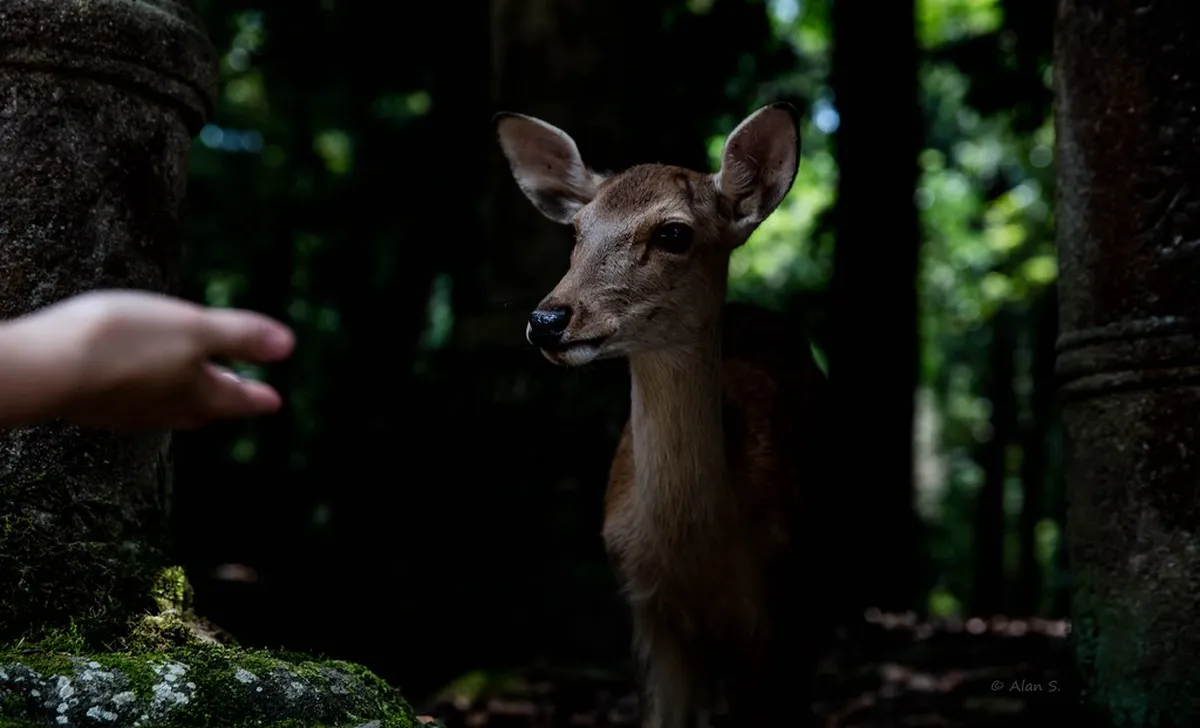
Table of Contents
How to Enjoy Feeding Nara Deer in the Morning Snow
Nara transforms into a serene dreamscape every winter. Soft white snow covers the ancient temples and quiet parks. One of the most magical activities is feeding Nara deer in the morning snow. Visiting early in 2026 allows you to beat the daily crowds.
The deer are very active during these cold morning hours. They eagerly await visitors who bring their favorite snacks. You will enjoy a peaceful connection with nature in this historic city. This guide provides essential tips for seeing Nara deer in winter during the snowy season.
Timing Your Visit for Fresh Snowfall
For practical details and last-minute changes, use Lonely Planet Nara.
For official information, visit Historic Monuments of Ancient Nara.
Arriving early is the secret to a perfect winter morning in Nara. Aim to reach Nara Park by 7:30 AM or 8:00 AM. This timing ensures you see the fresh snow before it melts. Most tourists do not arrive until much later in the day.The morning quiet creates a respectful atmosphere for the animals. You can hear the soft crunch of snow under your boots. The deer are usually much calmer during these early hours. They are also more likely to interact with you for food.
Check the local weather forecast specifically for the Nara prefecture. Snow is most common in January and February during the 2026 season. Morning temperatures often drop below freezing near the temples and forests. Proper timing makes your experience feel intimate and exclusive.
Early morning light provides a soft glow for your travel photos. The white snow acts as a natural reflector for the light. Your pictures will capture the true essence of a Japanese winter. This is the prime time for any nature lover to visit.
Where to Buy Deer Crackers in Winter
You should only feed the deer official Shika Senbei crackers. These crackers are made specifically for their nutritional needs. You can find vendors throughout Nara Park starting early in the morning. Most stalls open around 8:00 AM or 9:00 AM daily.
A single pack of crackers usually costs about 200 yen in 2026. Carry small coins to make the transaction faster for vendors. Many stalls are located near the Todai-ji Temple entrance. Look for the small wooden stands with green banners.
Buying crackers supports the local deer preservation efforts in the city. Avoid bringing your own food like bread or processed snacks. Human food can make the deer very sick over time. Stick to the official crackers for a safe experience.
Keep your crackers hidden until you are ready to feed them. The deer have a very keen sense of smell in winter. They may surround you if they see the stack of crackers. Learn how to feed Nara deer in winter properly to avoid any trouble.
Proper Etiquette for Feeding Nara Deer
Feeding the deer requires patience and a gentle approach. Bow to the deer before offering them a small cracker piece. Many Nara deer will actually bow back to you in return. This cultural exchange is a unique highlight of any Nara trip.
Hold the cracker flat in your palm to prevent accidental nips. Do not tease the deer by holding food out of reach. Frustrated deer may nudge you or pull at your winter clothing. Always remain calm and move slowly around the large groups.
If you run out of food, show your empty hands clearly. Spread your palms open and raise them slightly to the deer. They understand this signal and will usually move to another person. This helps maintain a safe distance between you and the animals.
Supervise children closely during the feeding process in the snow. Deer can be quite tall and heavy when they stand up. Keep a firm grip on your belongings while you interact with them. Respecting these animals ensures a positive experience for everyone involved.
Best Photography Spots in the Morning Snow
🌟 Local Expert Tip: Get the most out of your Nara visit with guided tours!
Ukigumo Park offers wide open spaces with plenty of deer. The snow looks stunning against the backdrop of the Mount Wakakusa. You can capture wide shots of the deer roaming the fields. This area is perfect for early morning landscape photography.
The path leading to Kasuga Taisha Shrine is another excellent choice. Ancient stone lanterns line the snowy path through the tall trees. Deer often hide among these lanterns in the early morning hours. The contrast between stone and snow creates a moody atmosphere.
Visit the Ukimido Gazebo for reflections on the Sago-ike Pond. The gazebo looks like a floating palace in the winter snow. You might find deer resting near the wooden bridge nearby. This spot is highly recommended for 2026 winter travelers.
Try to get low to the ground for unique perspectives. Capture the details of the deer's thick winter fur and breath. Use a fast shutter speed to freeze falling snowflakes in your shots. These memories will last a lifetime after you return home.
Essential Gear for Snowy Mornings in Nara
The humidity in Nara can make the winter wind feel biting. Dress in multiple layers to stay warm during your morning walk. Thermal base layers are highly effective for keeping body heat trapped. A waterproof outer jacket will protect you from damp snowfall.
Wear sturdy boots with good grip for walking on ice. The paths around the temples can become quite slippery when frozen. Waterproof shoes are essential to keep your feet dry in snow. Review our guide on Nara winter weather and packing for more details.
Bring a pair of warm gloves that allow finger movement. You will need your fingers free to handle the deer crackers. Small hand warmers, known as kairo, are available at local pharmacies. These provide hours of warmth inside your pockets or boots.
Carry a small backpack for your camera and extra supplies. Keep a reusable water bottle to stay hydrated during your hike. A thermos with hot tea or coffee is also a great idea. Being prepared allows you to focus on the beautiful scenery.
Understanding Deer Behavior in the Cold
Nara deer grow thick, dark coats to survive the winter months. They move less to conserve energy when temperatures are very low. You may see them huddling together for warmth near the trees. This social behavior is fascinating to observe from a distance.
The deer are generally less aggressive in winter than in autumn. The mating season has ended, so the males are much calmer. However, they are still wild animals and deserve your full respect. Never try to ride or pull on the deer's ears.
Morning is when the deer are most interested in finding food. They rely on visitors more during the snowy months of 2026. Deep snow can cover their natural food sources like grass. Your crackers provide a welcome supplement to their winter diet.
Watch for signs of distress or agitation in the animals. If a deer pins its ears back, give it space. Most deer in Nara are accustomed to humans and very friendly. Enjoying their company is a wonderful way to experience Japanese culture.
Frequently Asked Questions
What is the best time for feeding Nara deer in the morning snow?
The best time is between 7:30 AM and 8:30 AM in winter. This allows you to experience fresh snow and fewer tourists. The deer are hungry and very active during this window. Most shops for crackers open by 8:00 AM.
Does it snow often in Nara Park during the winter months?
Snow in Nara is most common during January and February. It typically snows a few times each month in 2026. The snow often melts by noon, making morning visits essential. Check local forecasts for the most accurate daily weather updates.
Where can I find the most deer in Nara during a snowstorm?
Most deer gather around the Todai-ji Temple area and Ukigumo Park. They often seek shelter under large trees during heavy snowfall. You will find large groups near the main walking entrance paths. These areas are cleared of ice for easier walking access.
Is it safe to feed the deer when there is ice on the ground?
It is safe if you wear shoes with excellent traction. Be careful not to slip while holding crackers near the deer. Move slowly to avoid startling the animals on slippery surfaces. The deer are very sure-footed even on the icy park trails.
Feeding Nara deer in the morning snow is a bucket-list experience. The quiet beauty of the park in 2026 offers deep relaxation. Follow these tips to ensure a safe and respectful visit for all. Prepare for the cold weather and enjoy the magical scenery. Start planning your winter trip to Nara today for an unforgettable adventure!
Key Takeaways
- Arrive at Nara Park by 8:00 AM for the freshest snow.
- Only use official Shika Senbei crackers for feeding the deer.
- Dress in warm, waterproof layers and wear boots with grip.
- Visit Ukigumo Park for the best snowy landscape photographs.
Related reads: polarcityguide.com, nara winter travel guide 2026.