
2026 Winter Festival Dates in Nara: Full Schedule
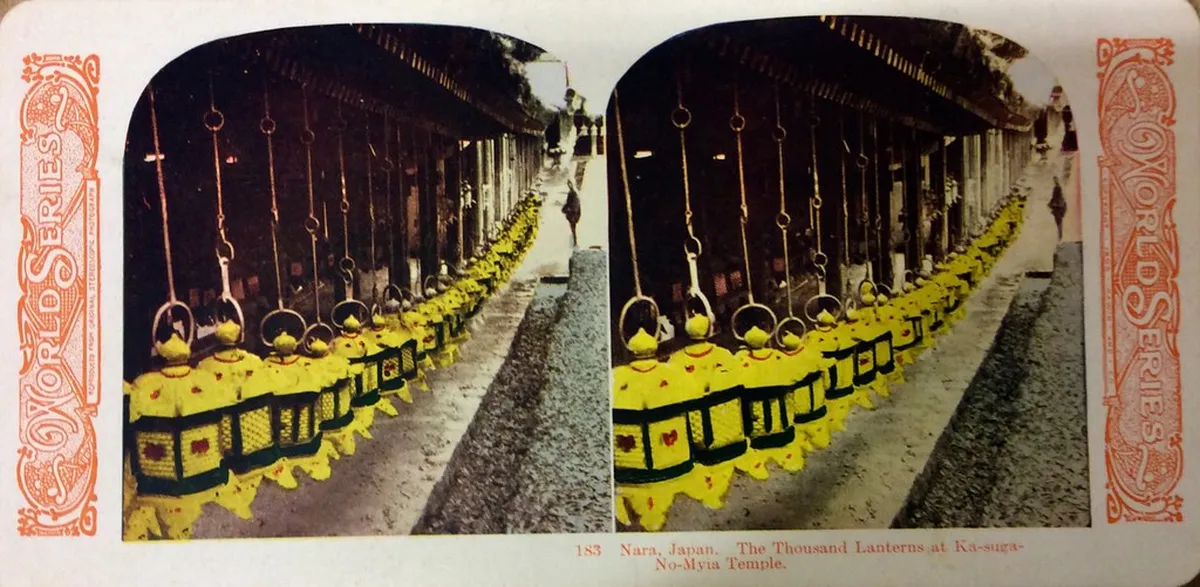
Table of Contents
Best Winter Festival Dates in Nara for 2026 Travelers
Nara provides a magical setting for traditional celebrations during the cold winter months of early 2026. You will find many ancient events happening across this historic Japanese city throughout January and February. This guide lists the official winter festival dates in Nara for 2026 to help you plan. Visitors can expect to see dramatic mountain fires, glowing lanterns, and beautiful light displays in Nara.
Checking a Nara winter travel guide 2026 will provide you with even more helpful context for your upcoming trip. Planning your visit around these specific dates ensures you see the most unique cultural traditions in Japan. Most festivals start in the late afternoon and continue into the quiet, cold winter nights of Nara. Bring warm clothes because you will spend several hours standing outside in the crisp winter air.
Wakakusa Yamayaki Mountain Burning Dates
The Wakakusa Yamayaki festival is the most famous winter event held in Nara Park every single year. This spectacular mountain burning ceremony will take place on Saturday, January 24, 2026, for all visitors. The event starts with a massive fireworks display over the base of Mount Wakakusa in the evening. Firefighters then set the dry grass on the hillside ablaze to create a truly giant wall of fire.
You can find more details in our Wakakusa Yamayaki mountain burning festival guide for the 2026 season. Viewing the fire from the city streets provides a great perspective of the flames against the dark sky. The ceremony officially begins around noon with a traditional parade of monks from the local ancient temples. Crowds gather early in the afternoon to secure the best viewing spots near the base of the mountain.
The fire burns for about thirty minutes until the entire grass area of the mountain is completely black. This tradition dates back hundreds of years and represents a boundary dispute between two of Nara's largest temples. It is a loud and bright event that attracts thousands of tourists from all across the globe. Make sure to arrive by train early to avoid the heavy traffic that fills the Nara city center.
The fire reflects off the ponds in the park and creates amazing photo opportunities for professional and amateur photographers. Temperatures will drop significantly once the sun goes down and the fire starts to fade away slowly. Wear thick socks and heat packs to keep your hands and feet warm while you watch the flames. Local food stalls often sell hot sake and grilled snacks to keep the hungry crowds warm and happy.
Kasuga Taisha Setsubun Mantoro Schedule
The Setsubun Mantoro festival at Kasuga Taisha Shrine is a peaceful and deeply spiritual winter experience for visitors. This event is scheduled for February 2 and February 3, 2026, marking the start of spring. Thousands of stone and bronze lanterns are lit throughout the shrine grounds during these two cold nights. The soft light creates a golden glow against the ancient trees and red shrine buildings in Nara.
Our Kasuga Taisha Setsubun Mantoro lantern festival guide offers advice on when to enter the shrine. Walking through the dark forest paths lined with flickering lanterns feels like stepping back into ancient Japanese history. Each lantern at the shrine was donated by a person or business to offer prayers for good fortune. The main ceremony begins around 6:00 PM when the monks start lighting the countless individual wicks manually.
Visitors can enter the main sanctuary for a small fee of about 500 yen to see bronze lanterns. These hanging lanterns cover the corridors and create a stunning visual pattern of shadows and warm orange light. The air inside the shrine smells of traditional incense and cold cedar wood during the winter evening. It is a quiet and respectful event that provides a sharp contrast to the loud mountain burning festival.
The shrine paths can be quite slippery if it has rained or snowed earlier in the day in Nara. Wear sturdy walking shoes with good grip to navigate the stone stairs and dirt paths throughout the shrine. You should plan to spend at least two hours exploring the different sections of the large temple complex. Take a bus from Nara Station to the Kasuga Taisha Hondo stop to reach the main gates quickly.
Nara Ruri-e Illumination Event 2026
Nara Ruri-e is a modern light festival that transforms the city park into a luminous and blue wonderland. The festival typically runs for one week in mid-February, specifically from February 8 to February 14, 2026. Blue LED lights cover the ground and trees to represent the blue lapis lazuli gemstone of Buddha. This event connects the three major temples of Nara through a series of beautiful glowing walking paths.
The illumination starts at 6:00 PM every night and continues until 9:00 PM for the convenience of tourists. You can walk from Kofuku-ji Temple to the Nara National Museum and eventually reach Todai-ji Temple at night. Special projection mapping often appears on the walls of the museum to tell stories of old Nara history. Admission to the park areas is free, but some specific garden light displays require a small ticket price.
The atmosphere is very romantic and popular for couples visiting the city during the Valentine’s Day period in 2026. There are several spots where you can buy hot drinks and commemorative charms that glow in the dark. The blue lights create a serene environment that feels very different from the standard bright white city lights. Most people start their walk at the five-story pagoda of Kofuku-ji before heading deeper into the park.
You should check the local weather forecast because heavy snow can occasionally lead to the cancellation of outdoor events. The light displays are designed to be viewed while walking, so prepare for about three kilometers of movement. Keep your camera battery warm inside your pocket to ensure it does not die quickly in the cold. Nara Ruri-e is a great way to see the famous deer resting quietly under the blue glowing trees.
Todai-ji Shuni-e Omizutori Ceremonies
⭐ Recommendation: Don't miss out on amazing Nara tours - book now!
The Shuni-e ceremony, also known as Omizutori, is one of the oldest continuing Buddhist traditions in all of Japan. While it signals the end of winter, the main rituals take place from March 1 to March 14, 2026. The most famous part of the event involves giant burning torches being carried across the balcony of Nigatsu-do. Every night around 7:00 PM, monks run with massive fire brands to shower the crowds with lucky sparks.
The final night on March 14 features the largest torches and the most intense fire display for the audience. Getting a good spot on the viewing deck requires arriving at the temple at least two hours early. The sparks falling from the balcony are believed to protect people from bad health and evil for the year. It is a powerful and loud spectacle that shows the true physical dedication of the local Buddhist monks.
Nigatsu-do is located on a hill, providing a great view of the Nara city lights below the temple grounds. The air is often filled with the sound of blowing horns and rhythmic chanting during the long ceremony. There is no entrance fee to stand in the public viewing area below the famous wooden balcony structure. However, the space is limited and security guards will direct the flow of the very large crowds.
The ritual of drawing water from the well takes place in the very early morning hours of March 13. This specific water is offered to the deities and is where the name Omizutori, or water drawing, originates. Visiting during this two-week period allows you to witness cultural devotion that has remained unchanged for over 1,200 years. Ensure you follow all instructions from the temple staff to keep the sacred ceremony safe and respectful.
Best Locations for 2026 Winter Sightseeing
🎯 Insider Tip: Discover the best Nara experiences with Viator Tours!
Nara Park is the central hub for most of the major winter festivals scheduled for the early 2026 season. This massive green space holds the deer, the major temples, and the base of the burning mountain area. You can easily walk between the different event sites if you have a pair of comfortable walking shoes. The park is especially beautiful when a light layer of winter snow covers the ground and the temples.
Ukimido Gazebo in Sagi-ike Pond is a fantastic spot to see night lights reflecting on the calm water surface. During the Nara Ruri-e festival, this wooden structure is often lit with soft colors and golden yellow lights. It offers a peaceful place to sit and rest between walking to the larger and louder festival locations. The gazebo is a ten-minute walk from the Nara Hotel and is very easy for tourists to find.
The steps leading up to Nigatsu-do Pavilion provide one of the most iconic views in all of historic Nara. From this height, you can see the roof of the Great Buddha Hall and the city lights beyond. It is a prime location for watching the sunset before the evening lanterns and fires start to glow. photographers often line these steps hours before the light festivals begin to set up their heavy camera tripods.
If you want a view of the mountain burning from a distance, head to the Nara City Hall rooftop. They often open the roof to the public specifically for the Wakakusa Yamayaki event on that Saturday night. This vantage point allows you to see the fire and the fireworks without dealing with the park crowds. You will need to check the city website for registration details if you want to access this roof.
What to Pack for Nara Winter Festivals
Winter temperatures in Nara during January and February usually range between zero and eight degrees Celsius every day. You will spend a lot of time standing still on cold stone or frozen ground while watching festivals. Wearing thermal undergarments like Heattech is highly recommended for anyone planning to stay outside for several hours. A heavy windproof coat is also necessary to protect you from the chilly breezes blowing through the park.
Many local people use disposable heat packs, called kairo, which you can buy at any convenience store in Nara. Place these packs in your pockets or inside your shoes to keep your extremities from becoming too cold. Warm gloves and a thick scarf will provide much-needed protection for your skin against the dry winter air. Do not forget to wear a hat that covers your ears to prevent heat from escaping your body.
Bringing a small thermos filled with hot tea or coffee is a smart way to stay warm while waiting. While there are many vending machines, they can often run out of hot drinks during the busiest festival nights. A portable folding stool can also be helpful if you plan on waiting early for a good viewing spot. Most festival areas have hard ground that can be very uncomfortable and cold to sit on directly.
Check the weather forecast for rain or snow and bring a sturdy umbrella or a waterproof rain poncho. Wet clothes will make you feel much colder and could ruin your enjoyment of the beautiful outdoor celebrations. Comfortable boots with thick soles will insulate your feet from the freezing pavement and provide better overall comfort. Dressing in multiple thin layers is the most effective way to manage your body temperature throughout the night.
Frequently Asked Questions
When is the mountain burning festival in Nara for 2026?
The Wakakusa Yamayaki mountain burning festival will be held on January 24, 2026. The main fire event usually starts around 6:30 PM after a large fireworks show. You should arrive at Nara Park by 3:00 PM to find a good spot for viewing.
Is the Nara lantern festival free to attend in February?
Walking through the main grounds of the Kasuga Taisha lantern festival is generally free for all visitors. However, entering the inner temple corridors to see the hanging bronze lanterns requires a fee of 500 yen. The event takes place on February 2 and 3 in the year 2026.
What are the Nara Ruri-e light festival dates for 2026?
The Nara Ruri-e light festival is scheduled to run from February 8 through February 14, 2026. It features blue LED displays and evening illuminations at the three major Nara temples. The event starts at 6:00 PM and offers a peaceful walk through the illuminated city park.
How cold does it get during winter festivals in Nara?
Evening temperatures during winter festivals usually stay between zero and five degrees Celsius in Nara. The wind can make the air feel much colder, so wearing thermal layers is very important. Expect cold feet if you stand on the stone temple paths for a long time.
Do I need tickets for the Omizutori ceremony in March?
You do not need a ticket to watch the fire ceremonies from the public area below the balcony. However, the space is very small and fills up quickly every night from March 1 to 14. Arrive early at Todai-ji Temple to ensure you can see the monks with the torches.
Visiting Nara during the 2026 winter season offers a rare chance to see ancient rituals and beautiful light displays. Plan your trip around the major festival dates to experience the true cultural heart of historic Japan. Remember to dress warmly and arrive at the popular event sites early to enjoy the best views possible. Watching the fire and lanterns will create lasting memories of your winter journey through the quiet streets of Nara.
Key Takeaways
💡 Pro Tip: Book your Nara adventures in advance through Viator for the best deals!
- Wakakusa Yamayaki takes place on January 24, 2026, featuring a massive mountain fire.
- Kasuga Taisha lights thousands of lanterns on February 2-3, 2026, for the Setsubun celebration.
- Nara Ruri-e offers magical blue light displays throughout the city park in mid-February 2026.
- Always wear thermal layers and carry heat packs to stay warm during the cold evening events.
Related reads: polarcityguide.com, nara winter festivals and events, best viewing spots for wakakusa yamayaki ceremony.