
Expert Night Photography Tips for Nikko Winter Light Displays
Nikko glows during the cold winter nights of 2026. Capturing these light displays requires specific skills and equipment. Follow these night photography tips for Nikko winter light displays to succeed. Learn how to master the dark in this beautiful mountain town.
Essential Gear for Cold Winter Nights
You can find the latest updates on Nikkō travel info.
For current hours, prices, and announcements, start with Nikkō travel info.
Freezing temperatures drain camera batteries very quickly in Nikko. Always carry two or three spare batteries in your pocket. Keep them warm against your body to preserve their charge longer. This simple step prevents your camera from dying mid-shoot.A sturdy tripod is vital for sharp long exposure photos. Winter winds in the mountains can shake lighter camera setups easily. Secure your tripod on firm snow or ice before you start. Heavy tripods provide the stability needed for clear night shots.
Hand warmers are great for keeping your fingers nimble and warm. You need manual dexterity to adjust small camera dials in the dark. Cold hands make it very difficult to operate your equipment effectively. Small adhesive warmers can also be attached to your battery compartment.
Best Night Photography Tips for Nikko Winter Light Displays
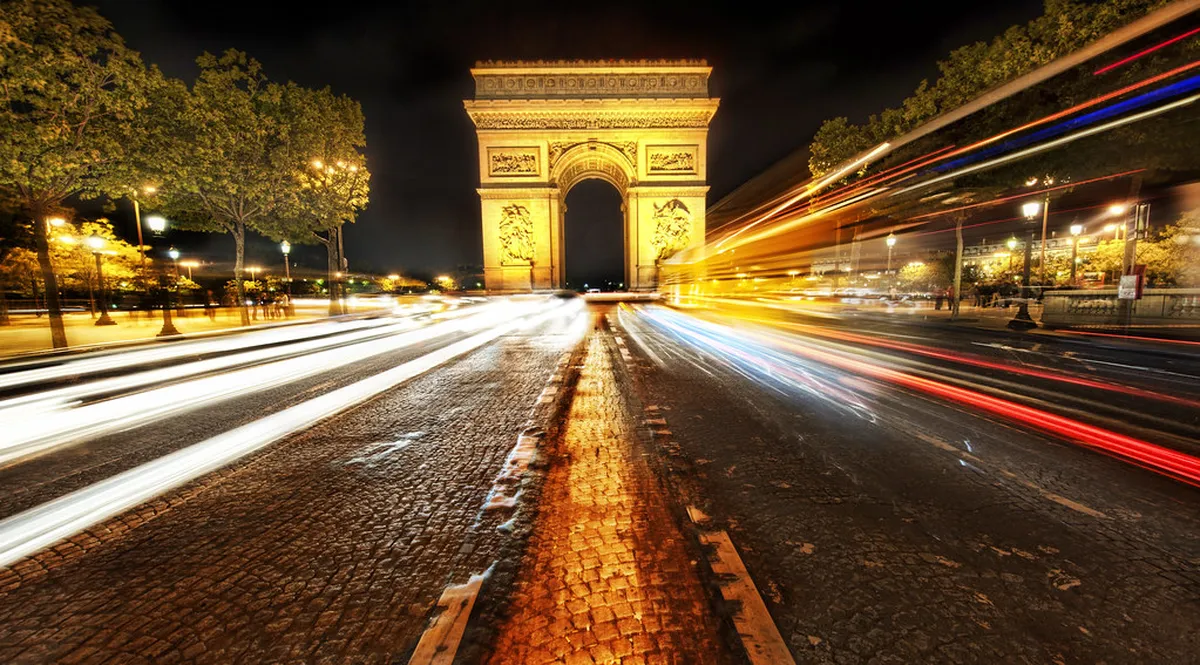
Use a slow shutter speed to capture the glowing light displays. Start with a five-second exposure and adjust based on the results. This technique allows the vibrant colors to pop against the dark sky. It makes the snowy landscape look soft and magical.
Set your ISO to a low value like 100 or 400. High ISO settings often create digital noise in dark night skies. Keep the image quality clean by using your tripod for longer exposures. This ensures your Nikko winter photography guide techniques produce professional results.
Adjust your white balance to the Tungsten or Incandescent setting. These settings help maintain the natural blue tones of the winter night. They prevent the artificial lights from looking too orange or yellow. Manual white balance gives you total control over the final mood.
Top Locations for Nikko Light Displays
The Shinkyo Bridge often features beautiful evening lighting during winter festivals. Its red arches look stunning against the white snow and dark water. Arrive early to find the best spot for your tripod setup. The bridge provides a classic iconic view of Nikko at night.
Lake Chuzenji offers dramatic night views with lights reflecting on the water. The surrounding mountains create a dark frame for the illuminated lakeside buildings. Walk along the shore to find unique angles for your compositions. Check local 2026 event calendars for specific illumination dates and times.
Many best Nikko winter temples host special light-up events throughout February. These historic structures look majestic when bathed in soft golden spotlights. Respect the quiet atmosphere of these sacred sites while you shoot. Always stay on marked paths to protect the delicate temple grounds.
Managing Snow and Condensation Issues
💡 Pro Tip: Book your Tokyo adventures in advance through Viator for the best deals!
Falling snow can create beautiful bokeh effects in your night photos. Use a slight flash to illuminate the snowflakes near your camera lens. This adds a sense of depth and texture to the scene. Be careful not to overexpose the bright white flakes too much.
Condensation can ruin your gear when moving from cold to warm areas. Place your camera in a sealed plastic bag before entering buildings. Let the equipment warm up slowly to prevent moisture buildup inside. This protects the sensitive electronics from water damage over time.
Use a lens hood to keep stray light and snow away. Light from street lamps can cause unwanted glare in your long exposures. A hood also prevents melting snow from landing on your glass lens. Keep a clean microfiber cloth ready to wipe away any moisture.
Frequently Asked Questions
When is the best time for night photography in Nikko?
Most light displays begin at sunset around 5:00 PM during the winter months. The blue hour provides a perfect balance between artificial and natural light. Visit during the Yunishigawa Kamakura Festival for the most spectacular night scenes.
Can I use a phone for Nikko light displays?
Yes, modern smartphones have excellent night modes for quick social media photos. However, a professional camera offers better control over long exposure settings. Use a mobile tripod to keep your phone steady for sharper images.
Is it safe to photograph Nikko at night?
Nikko is very safe, but snowy paths can be slippery and dangerous. Always wear shoes with good grip or attachable ice spikes for safety. Carry a small flashlight to see the ground clearly while walking.
Capturing the winter magic of Nikko at night is a rewarding experience. These night photography tips for Nikko winter light displays help you succeed. Pack your tripod and extra batteries before heading out into the cold. Check our Nikko winter travel guide 2026 for more planning tips.