
The Ultimate Nikko Winter Photography Guide for 2026
Welcome to our Nikko winter photography guide for 2026 travel planning. Nikko is a magical mountain city located in Japan. Winter transforms the local temples into white wonders. This guide helps you capture stunning photos of the snow. You will find the best spots for every lens. Let us explore the beauty of this historical place.
Iconic Shrine and Temple Photography
For practical details and last-minute changes, use Nikkō travel info.
For the most up-to-date details, check Nikkō travel info before you go.
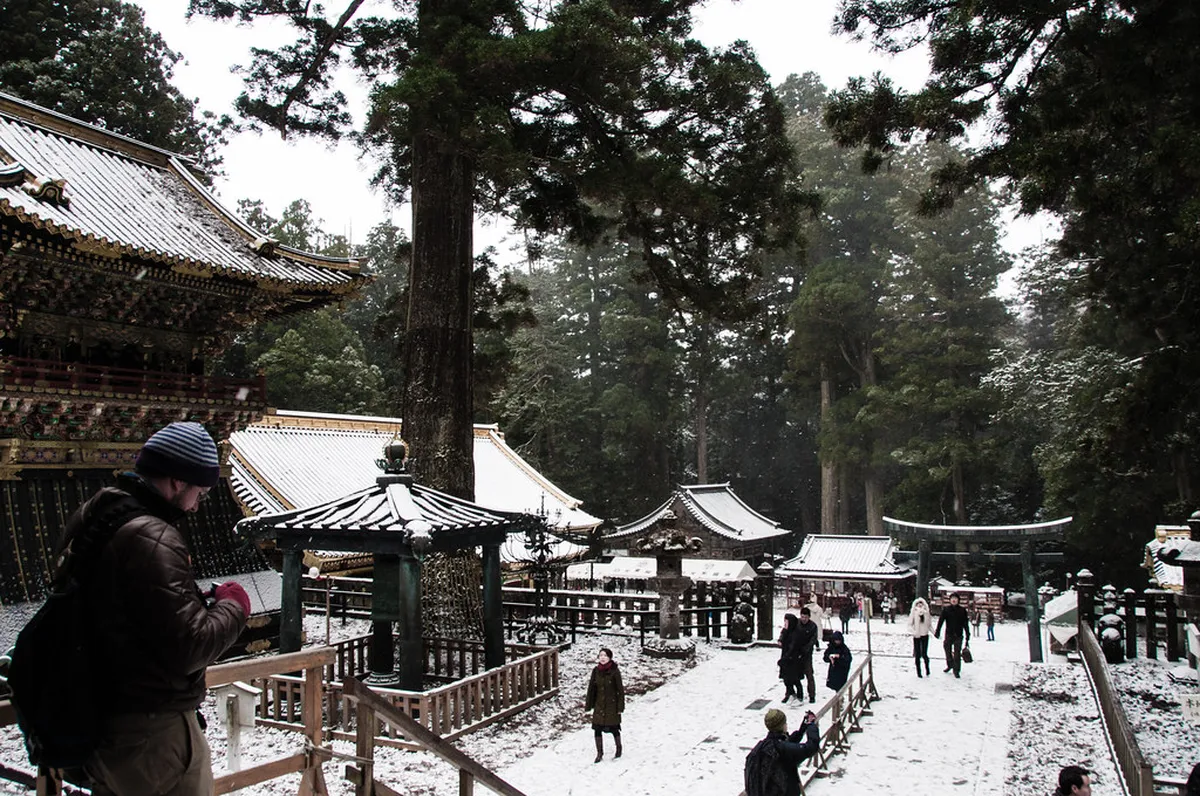
The Toshogu Shrine is a World Heritage site in Nikko. Snow covers the complex from December until late March. Golden details shine through the heavy white snow layers. This creates a unique look for your 2026 travel photos. Arrive at 9:00 AM to see the best morning light. The entrance fee is about 1,300 yen per person. Use a mid-range zoom lens to capture fine details. Be careful on the slippery stone steps.The Yomeimon Gate is the main attraction at this site. It features over 500 intricate carvings of mythical creatures. Fresh snow often rests on the heads of these statues. This adds a soft texture to your architectural shots. Stand back to capture the full gate against the trees. The surrounding cedar forest looks great in the winter mist. This is one of the best Nikko winter temples for photographers.
Nearby, the Taiyuin Temple offers a more quiet atmosphere. It has dark colors that contrast well with bright snow. You will find fewer tourists at this specific location. This allows for clean shots without people in them. The red gates provide a vibrant pop of color. Take your time to frame the lanterns along the paths. These stone lanterns look amazing when capped with snow. The quiet woods provide a peaceful setting for photography.
Remember to respect the local rules while taking your photos. Do not use tripods inside the temple buildings themselves. Keep your camera strap around your neck at all times. The cold air can make your hands feel numb. Wear thin gloves that allow you to use buttons. This ensures you never miss a perfect photo moment. Nikko's temples are truly special during the cold months.
Capturing Frozen Waterfalls and Rivers
Kegon Falls is the most famous waterfall in the region. In winter, the cascading water turns into blue ice. This creates a massive frozen sculpture on the cliff side. The sight is breath-taking during the month of February. Take the elevator down for a close-up view. The elevator ticket costs around 570 yen for adults. This lower deck provides the most dramatic photo angles. Check our tips for visiting Kegon Falls in winter for more.
The Daiya River flows through the center of the city. The famous Shinkyo Bridge crosses this cold mountain water. The bridge is painted a bright and beautiful red color. Snow makes the red wood stand out even more. Early morning is the best time for soft lighting. You can take photos from the road bridge nearby. This gives you a clear side view of the arch. The river rocks often collect small piles of snow.
Ryuzu Falls is another great spot for winter landscape photos. It is located higher up in the Okunikko area. The name means dragon head because of its unique shape. The water flows around a large rock in the middle. Ice forms on the edges of the rushing water. This creates a mix of motion and frozen stillness. Use a slow shutter speed for a silky look. A tripod is very helpful for these specific shots.
Be mindful of the temperature near the moving water. The mist from the falls can freeze on your lens. Carry a microfiber cloth to wipe the glass often. Keep your camera body warm under your winter jacket. This helps maintain the battery life for longer sessions. The walking paths can be very icy near the falls. Wear boots with good grip to stay safe. Nature photography in Nikko requires some careful physical preparation.
Statues and Hidden Gems in Snow
The Kanmangafuchi Abyss is a quiet path along the river. It features seventy stone Jizo statues in a long row. These statues represent a protector of children and travelers. Local people dress them in red hats and bibs. The red cloth looks stunning against the white snow. This is a perfect place for close-up portraits. Use a wide aperture to blur the background softly. You will love capturing snow-covered statues at Kanmangafuchi Abyss during your trip.
The walk to the statues takes about twenty minutes. You start near the Tamozawa Imperial Villa park area. The path follows the rushing blue water of the river. Huge volcanic rocks line the edge of the water. Snow piles up on these rocks in round shapes. This creates a very peaceful and natural scene. The forest here is deep and very green. This creates a nice dark backdrop for the snow.
Look for small details like frozen moss on the rocks. The light here is best during the late afternoon. Shadows grow long across the path of the statues. This adds a sense of mystery to your images. Stay until the sun begins to set for colors. The sky may turn purple or soft pink above. Most tourists leave before this beautiful time of day. You will have the whole path to yourself.
Always stay on the marked walking trails for safety. The river current is very fast and quite dangerous. Do not move the hats on the stone statues. These are sacred items placed by the local community. Capturing the culture is part of the photography experience. Be a respectful guest while you hunt for photos. This area is a hidden gem for creative shots. Your 2026 gallery will look amazing with these images.
Scenic Landscapes and Lake Chuzenji
🌟 Local Expert Tip: Get the most out of your Tokyo visit with guided tours!
Lake Chuzenji is a large lake in the mountains. It sits at the foot of Mount Nantai. The lake does not completely freeze in the winter. This allows for beautiful water reflections of the peak. Mount Nantai is a sacred volcano with a sharp shape. It looks like a giant pyramid covered in snow. Photographers love the wide vistas found at this location. Read about Lake Chuzenji winter activities to find viewpoints.
The wind can be very strong at the lake shore. This makes the air feel much colder than it is. Dress in many layers to stay warm while waiting. Use a sturdy tripod to prevent camera shake from wind. Wide-angle lenses are best for these massive mountain scenes. Polarizing filters help make the blue sky look deeper. They also reduce the bright glare off the snow. This makes your colors look much more natural.
Visit the Chuzenji Temple for a high view of water. The temple has a terrace that overlooks the lake. This spot is great for sunrise or sunset shots. You can see the entire span of the mountains. The water looks like a dark mirror in winter. Small boats may be docked near the shoreline area. These add a nice focal point to your photos. The peace of the lake is very relaxing.
Plan your transportation carefully for the upper mountain area. Buses run regularly from the main Nikko train station. The ride takes about fifty minutes on winding roads. The Irohazaka Slope has many sharp turns and views. You can take photos from the bus window if careful. Ensure you have a pass for the local buses. This makes traveling between different photo spots much easier. The views from the top are worth the trip.
Night Photography and Light Festivals
🎯 Insider Tip: Discover the best Tokyo experiences with Viator Tours!
The Yunishigawa Onsen area hosts a magical winter festival. This event features hundreds of tiny snow huts called Kamakura. Each small hut has a glowing candle inside it. They are placed along the river during the night. The warm orange light looks incredible against blue snow. This is a top event for night photography fans. Learn more about the Yunishigawa Kamakura festival 2026 for your plan.
A tripod is essential for these low-light festival shots. You will need long exposures to capture the glow. Set your ISO to a medium level like 800. This keeps your images clear and free from noise. The festival usually runs from late January to March. Check the exact dates before you travel to Nikko. Entry to the main display site is 500 yen. The atmosphere is very festive and very cold.
Try different angles to show the scale of huts. Get low to the ground for a unique perspective. Capture the people walking among the glowing snow huts. This adds a sense of life to your photos. Use a remote shutter to avoid touching the camera. This ensures your long exposures stay perfectly sharp. The cold will drain your camera battery very quickly. Keep a spare battery in a warm inner pocket.
After the festival, visit a local hot spring bath. This is a great way to warm up. Many resorts offer outdoor baths with snowy mountain views. You can sometimes take photos of the empty baths. Always ask for permission before taking photos in spas. The steam creates a very moody and soft look. It is the perfect end to a photography day. Nikko at night is a dream for artists.
Essential Winter Gear and Camera Settings
Shooting in the snow requires some special camera settings. Snow is very bright and can trick your camera. Your camera might try to make the snow gray. Use exposure compensation to fix this common winter problem. Set it to plus one or plus two. This makes the snow look white and clean. Check your histogram to avoid blowing out the highlights. This ensures you keep all the fine details.
Battery life is your biggest challenge in the Japanese cold. Lithium batteries lose power quickly in freezing mountain weather. Carry at least three batteries for a full day. Keep them close to your body for warmth. Only put them in the camera when shooting. This simple trick will save your photography session today. Turn off the LCD screen to save more power. Use the viewfinder to frame your snowy mountain shots.
Moisture can damage your lens when you go inside. Warm air inside buildings causes fog on cold glass. Put your camera in a sealed plastic bag. Do this before you enter a warm hotel room. Let the camera reach room temperature slowly inside. This prevents water from forming inside the lens elements. This is a vital tip for all winter travelers. Carry several silica gel packs in your camera bag.
A good pair of gloves is very important here. Look for gloves with grip on the palms. Some gloves have tips for using touch screens easily. Wear a warm hat that covers your ears well. Good boots will keep your feet dry and warm. You will stand in the snow for long periods. Comfort is the key to getting great photos. Focus on your art while staying warm and dry.
Frequently Asked Questions
🎯 Insider Tip: Discover the best Tokyo experiences with Viator Tours!
What is the best month for snow photos in Nikko?
February is the best month for consistent snow in Nikko. You will find the most snow on the ground then. The waterfalls are most likely to be frozen. Festivals like the Kamakura event are also active. Plan your trip for mid-February for the best winter conditions.
Are tripods allowed at Nikko shrines and temples?
Tripods are generally not allowed inside the main temple buildings. You can usually use them in the outdoor forest areas. Always look for signs or ask the staff first. Use a monopod if you need extra stability for your shots. Be respectful of other visitors in crowded spots.
Is it safe to drive to Nikko in the winter?
Driving can be difficult due to heavy snow and ice. The mountain roads have many sharp and dangerous turns. Winter tires or snow chains are required by local law. Taking the train and bus is much safer for tourists. The public transport system is very reliable in Nikko.
Do I need special lenses for Nikko winter photography?
A wide-angle lens is great for the mountain landscapes. A zoom lens helps capture the details of temple carvings. Most photographers find a 24-70mm lens very useful here. Bring a fast prime lens for low-light night festivals. These choices will cover almost every situation in Nikko.
Nikko is a premier destination for winter photography in 2026. This Nikko winter photography guide shows you the best spots. From golden temples to frozen falls, the beauty is endless. Prepare your gear for the cold and snowy weather. You will create memories that last a lifetime in Japan. Start planning your creative winter adventure to Nikko right now.