
Capturing Winter Architecture in Oslo City Center 2026
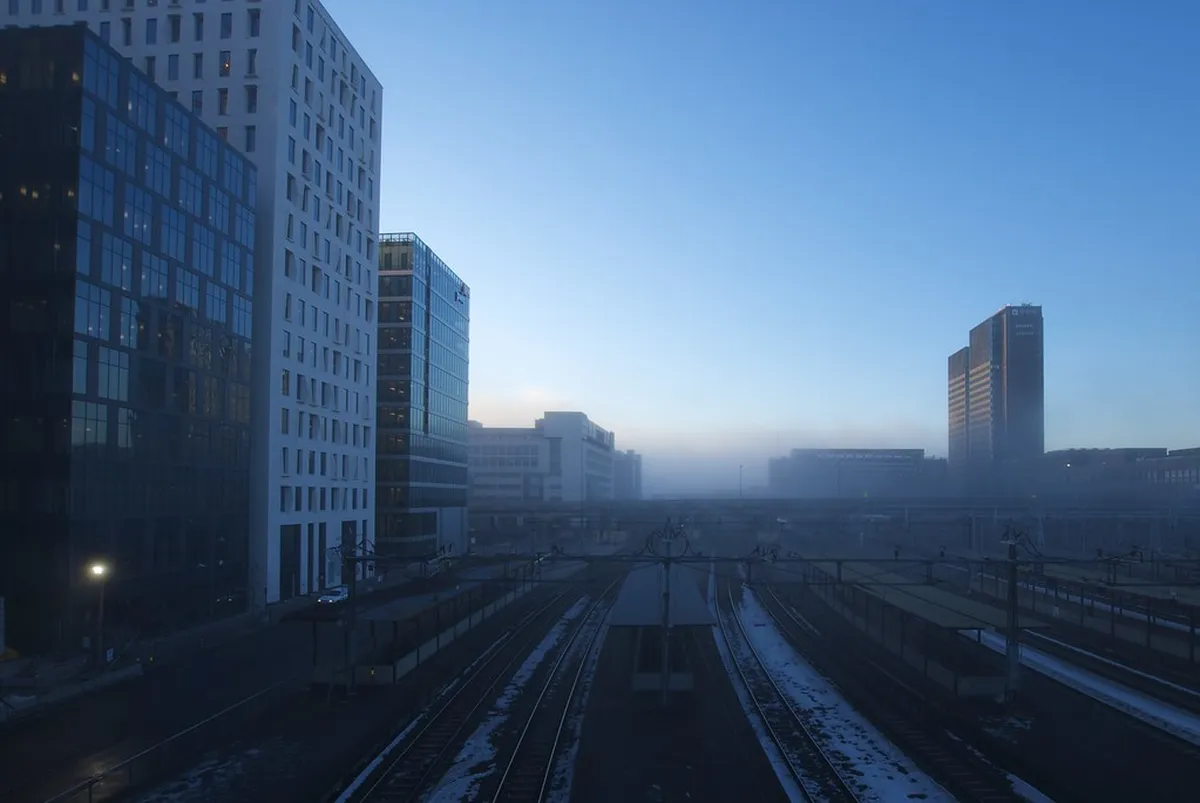
Table of Contents
Guide to Capturing Winter Architecture in Oslo City Center 2026
Oslo transforms into a stunning landscape for photographers during the cold winter months of 2026. The city central districts offer a unique blend of historic charm and bold contemporary architecture for everyone. Capturing winter architecture in Oslo city center 2026 requires patience and a good understanding of low lighting. This guide helps you navigate the frosty streets to find the most impressive structural designs available.
The Norwegian capital shines when the snow covers its modern glass surfaces and ancient stone walls. Photographers will enjoy the crisp air and the soft blue light that defines the Nordic winter season. You can discover many minimalist structures located within walking distance of the main central train station area. Start by visiting some of the top Oslo winter photography spots 2026 to find your favorite angles.
Essential Gear for Capturing Winter Architecture
For practical details and last-minute changes, use Oslo travel info.
Architecture photography in a cold climate requires specialized equipment to ensure high quality results every single time. A wide-angle lens is vital for capturing the massive scale of the new buildings in Bjørvika. You should also carry a sturdy tripod to maintain sharpness during the long winter blue hour sessions. These tools allow you to use lower ISO settings for much cleaner and more professional looking images.Protecting your equipment from the freezing temperatures is another critical step for every visiting photographer in Norway. Keep your spare batteries inside your jacket pockets to maintain their charge throughout the entire cold day. Condensation can also damage your glass when you move from the cold outdoors into warm indoor cafes. Place your camera in a sealed plastic bag before entering buildings to prevent moisture from forming inside.
Consider using a circular polarizer to manage reflections on the many glass buildings found around the city. This filter helps you control the glare from the snow and the bright surfaces of modern skyscrapers. Using a remote shutter release is also helpful for preventing camera shake during your long exposure architectural shots. Pack a set of warm photography gloves that allow you to operate camera dials without exposing skin.
Pro Tip: Invest in a high-quality lens cloth to remove any snowflakes that land on your front glass element. Even small drops of water can ruin a sharp architectural shot if you do not check frequently enough. Keep your equipment bag organized so you can find filters quickly while wearing heavy winter gear and gloves. This preparation ensures you never miss a fleeting light moment because of a simple technical gear issue.
Iconic Structures in Oslo City Center 2026
The Oslo Opera House remains the most famous landmark for architectural photographers visiting the city during the winter. Its white marble slopes mimic a glacier rising directly from the dark waters of the beautiful Oslo Fjord. You can walk on the roof to find unique perspectives and leading lines that emphasize the building geometry. The contrast between the white stone and the winter sky creates a dramatic scene for your digital portfolio.
Directly behind the Opera House stands the Deichman Bjørvika which is the city's modern and award winning public library. This building features a massive cantilevered top floor that glows beautifully during the early winter sunsets in Oslo. The interior is equally impressive with high ceilings and geometric staircases that are perfect for wide angle interior shots. Entrance is free but remember to be respectful of the local residents who use the library for studying.
The National Museum is another recent addition to the skyline that offers a sleek and minimalist architectural design. Its exterior is covered in dark slate which provides a powerful contrast against the white snow in winter. Capture the museum from the Aker Brygge waterfront to include the historic Akershus Fortress in your background frame. This location allows you to show the transition between the old and new styles of Norwegian building design.
- Opera House: Best for minimalist white-on-white shots during fresh snowfall.
- Deichman Library: Ideal for capturing glowing windows during the late afternoon blue hour.
- Munch Museum: Features a unique vertical tilt that looks impressive from the waterfront paths.
- Barcode District: Offers twelve narrow high-rise buildings with sharp angles and modern glass facades.
Mastering Light for Capturing Winter Architecture in Oslo
The winter sun in Oslo stays very low on the horizon during the months of December and January. This creates a permanent golden hour effect that provides soft and long shadows across the entire city center. You can use these shadows to emphasize the textures of stone and the sharp edges of glass buildings. The low sun angle also prevents the harsh highlights that often ruin architectural photos during the summer.
Blue hour is perhaps the best time for capturing the city's modern lighting and the glow of offices. The sky turns a deep indigo color which complements the warm yellow lights coming from the large windows. You should study our night photography tips for Oslo winter lights for the best results. Plan your shoot between 15:00 and 17:00 to catch the peak of this magical lighting window.
Cloudy days are actually very beneficial for architectural photographers because the light is naturally diffused and very even. Overcast skies eliminate high contrast problems and allow you to capture more detail in the shadows of buildings. This lighting style works particularly well for the minimalist and monochromatic buildings found in the new Barcode district. You can focus on the patterns and shapes without the distraction of bright sun glares or reflections.
Night photography in the city center offers a different perspective on the local architecture and the urban layout. Many buildings like the Barcode towers feature artistic exterior lighting that changes colors throughout the long winter nights. Use a long exposure to capture the light trails from the blue trams moving through the modern streetscape. This technique adds a sense of motion and life to your static architectural compositions in the city.
Composition Techniques for Urban Winter Photography
🎯 Insider Tip: Discover the best Oslo experiences with Viator Tours!
Leading lines are everywhere in the city center and they are essential for creating depth in your architecture photos. Use the edges of the Opera House roof or the tram tracks to draw the viewer into the frame. These lines help to organize the visual information and make the complex buildings feel more balanced and structured. Look for patterns in the windows of the Barcode buildings to create a sense of rhythm and repetition.
Symmetry is another powerful tool that works well with the clean lines of modern Scandinavian architecture and design. The central axis of the Deichman library or the National Museum entrance provides a perfect opportunity for symmetrical shots. Center your camera perfectly and use a level to ensure that all your vertical lines are completely straight. This formal approach highlights the precision of the architects and the quality of the building materials used.
Framing is a creative way to add context to your architectural images while exploring the busy Oslo city center. Use the branches of snow-covered trees to frame a modern building in the distance for a seasonal look. This creates a layer of depth and tells a story about the relationship between nature and the city. You can also use archways or bridges to create a natural frame around your primary architectural subject.
Photography Tip: Try shooting from a very low angle to make the buildings appear more dominant and powerful in the frame. This perspective works well for the tall skyscrapers near the central station where space is often very limited. It also allows you to include more of the snow-covered ground in the foreground of your winter shots. Use a wide-angle lens to exaggerate this effect and create a more dynamic and engaging architectural image.
Navigating the Barcode District in Winter
The Barcode Project consists of twelve narrow buildings that vary in height and also in their architectural style. These structures are located along the Dronning Eufemias gate and are easily accessible from the Oslo Central Station. Each building has a unique facade that provides different photographic opportunities depending on the time of the day. You can find everything from white marble to dark wood and reflective glass in this small urban area.
The narrow alleys between the buildings are excellent for capturing abstract shots of the sky and the tall walls. These spaces create tight vertical frames that look very modern and artistic in a professional photography portfolio. Look up to see how the buildings intersect with each other against the backdrop of the winter sky. The reflections in the glass can also create interesting double images of the neighboring structures and the clouds.
Visit the district during the lunch hour to see the office workers moving through the modern plaza spaces. Including people in your shots adds a sense of scale and helps to humanize the cold architectural designs. Use a slow shutter speed to blur the movement of the crowds while keeping the buildings perfectly sharp. This technique highlights the busy nature of the city center even during the coldest days of the year.
The Barcode looks particularly impressive when viewed from across the water at the Sørenga pier or the bridge. This distant view allows you to see the entire skyline and the gap between each of the twelve buildings. It is a perfect spot for capturing a panoramic shot of the city's modern progress and development. The water in the harbor often remains calm which can provide beautiful reflections of the lights at night.
Practical Travel Tips for Oslo Photographers
Oslo is a very walkable city but the sidewalks can become quite slippery during the peak winter months. Wear boots with good grip or use ice spikes to ensure you do not fall while carrying gear. The public transport system is excellent and can take you between different architectural spots very quickly and efficiently. Use the Ruter app to buy tickets and check the schedules for the trams and the local buses.
Most museums and public buildings in the city center are open from 10:00 to 18:00 during the winter. Admission prices for the National Museum and the Munch Museum are usually around 200 NOK for an adult. You can often find free entry to the Opera House roof and the main lobby of the library. Check the official websites for the most current opening hours and any special holiday closures in 2026.
Stay hydrated and take breaks in the many warm coffee shops located near the main architectural landmarks and sights. Norwegian coffee culture is world-class and provides a perfect place to review your photos and warm your hands. Many cafes offer free Wi-Fi so you can upload your best shots to social media while you rest. This also gives your camera equipment time to adjust slowly to the warmer indoor temperatures of the building.
The city center is very safe for photographers even when carrying expensive equipment during the dark evening hours. However, you should always be aware of your surroundings and keep your gear bag close to your body. Using a small backpack is better than a shoulder bag for navigating the busy streets and the trams. This setup keeps your hands free and allows you to react quickly when you see a great shot.
Frequently Asked Questions
What is the best time for architecture photography in Oslo?
The best time is during the blue hour which occurs in the late afternoon during the winter. This is when the city lights balance perfectly with the deep blue of the sky. Check our Oslo winter travel guide 2026 for more practical travel information and light timing.
Do I need a permit to photograph buildings in Oslo?
You generally do not need a permit for handheld photography of building exteriors in public spaces. However, you should ask for permission before using a tripod inside private buildings or museums. Always be respectful of the local rules and avoid blocking the flow of pedestrians on busy sidewalks.
Is it too cold for cameras in Oslo during 2026?
Modern digital cameras can handle the cold if you take proper care of the batteries and the glass. Temperatures in the city center usually stay between -5 and 5 degrees Celsius during the winter. Keep your camera in a bag to help it adjust to temperature changes when you go inside.
Which lens is best for Oslo architecture?
A wide-angle lens like a 16-35mm is the best choice for capturing the large buildings and narrow streets. A perspective control lens is also useful for keeping your vertical lines straight if you have one. These lenses allow you to capture the full height of the skyscrapers from a close distance.
Where can I find the best view of the Oslo skyline?
The Ekebergparken hill offers the most famous view of the entire city center and the harbor area. You can see all the major architectural landmarks from this elevated perspective above the city. It is easily reachable by taking the number 13 or 19 tram from the central station.
Capturing winter architecture in Oslo city center 2026 is a rewarding experience for any dedicated urban photographer today. The city offers a unique mix of modern structural innovation and beautiful Nordic lighting during the cold months. Remember to dress warmly and protect your camera gear from the snow and the freezing air. Start your journey at the Opera House and explore the many wonders of the Bjørvika waterfront area soon.
Key Takeaways
- Use a wide-angle lens and a tripod for the best architectural results.
- Shoot during the blue hour to balance building lights with the sky.
- Keep spare batteries warm in your pockets to extend their life outdoors.
- Visit the Barcode and Bjørvika districts for the most modern designs.
- Protect your camera from condensation when moving between cold and warm areas.
Related reads: polarcityguide.com, best sunset photography locations in winter oslo, photographing the northern lights in oslo norway.