
Hiking Trails in Kirishima National Park Winter Guide
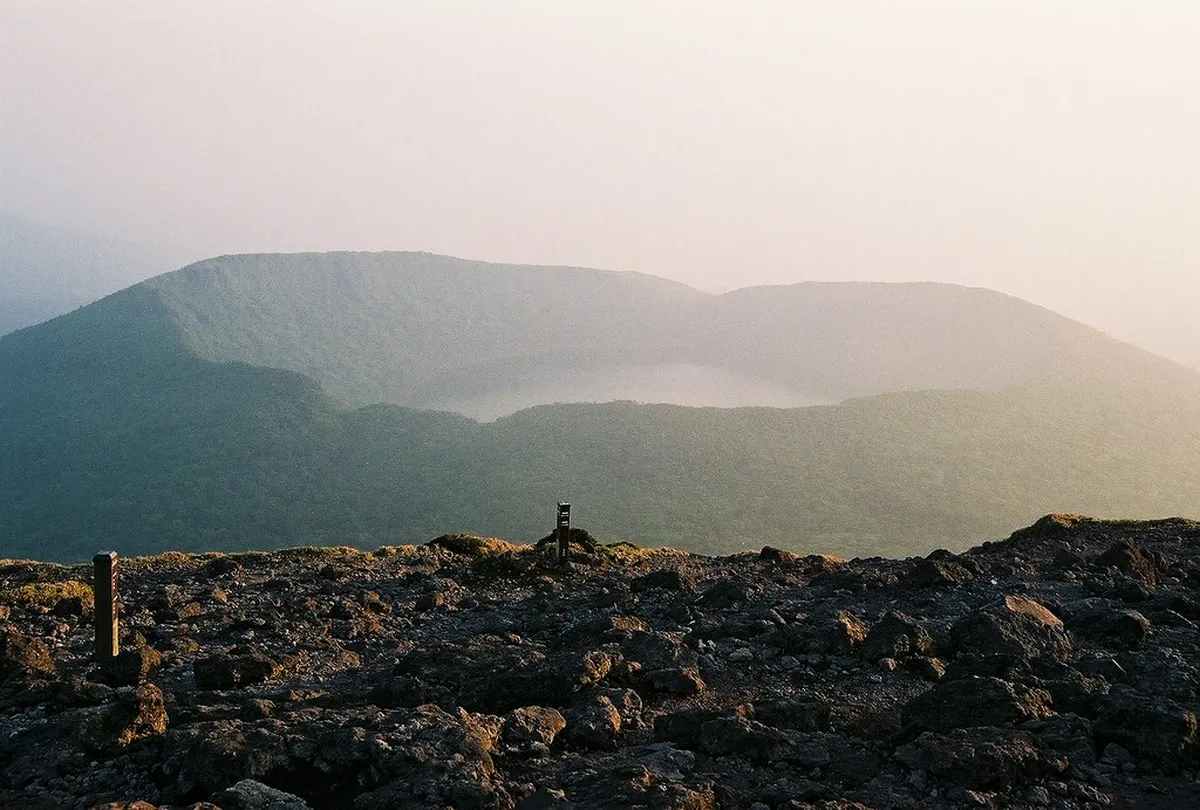
Table of Contents
The Best Hiking Trails in Kirishima National Park Winter for 2026
Winter in Kirishima National Park offers a serene escape for nature lovers. Snow covers the volcanic peaks near Kagoshima city during the colder months. You can explore many incredible hiking trails in Kirishima National Park winter seasons. This guide helps you navigate the frosty landscapes safely.
The park sits on the border of Kagoshima and Miyazaki prefectures. It features active volcanoes and crystal-clear crater lakes. Winter transforms these geological wonders into a quiet wonderland. You will find fewer crowds and crisp mountain air in 2026. The scenery provides a unique contrast to the coastal areas.
Hiking here requires careful planning and the right equipment. The temperatures often drop below freezing at higher elevations. This itinerary highlights the best routes for all skill levels. You can combine adventure with local culture and relaxing hot springs. Let us explore the magnificent trails of Kirishima.
Essential Gear for Winter Hiking in 2026
For practical details and last-minute changes, use Kagoshima travel info.
To plan your trip, review Kagoshima Airport.
Preparation is the key to a successful winter trek in Kirishima. You must wear high-quality thermal layers to stay warm. The wind on the ridges can be very biting. Waterproof hiking boots are essential for walking through the snow. You should also pack a warm hat and gloves.Many trails have icy sections during the peak winter months. We recommend carrying light crampons or snow spikes for your boots. These items help prevent slips on the volcanic slopes. You can buy these at outdoor shops in Kagoshima for around 3,000 yen. Safety should always be your top priority in the mountains.
Always carry a physical map and a fully charged phone. Cold weather can drain battery life much faster than usual. Pack a portable power bank just in case of emergencies. The sun sets early in the Japanese winter around 5:00 PM. Plan to finish your hikes well before the darkness arrives.
Hiking sticks provide extra stability on uneven volcanic terrain. You will find these helpful when descending from the summits. Carry at least two liters of water for longer trails. Pack high-energy snacks like nuts or chocolate to maintain your stamina. These small steps ensure a comfortable mountain experience.
Summiting Mount Karakuni in the Snow
Mount Karakuni is the tallest peak in the Kirishima mountain range. It reaches an elevation of 1,700 meters above sea level. This trail offers some of the best views in southern Japan. You can see the entire national park from the summit. On clear days, you might even see the Shikoku coast.
The hike begins at the Ebino Plateau Visitor Center. Most hikers take about three hours to reach the top. The path winds through frozen forests and rocky volcanic fields. Take your time to capture winter photography at Kirishima mountain ranges along the way. The white snow creates a stunning visual landscape.
The summit crater is massive and deep. It looks particularly impressive when filled with winter snow. You should walk carefully near the edge of the crater. The wind at the top can be very strong. Take shelter behind the rocks to enjoy your lunch comfortably.
The descent follows the same path back to the plateau. Watch your footing on the steep sections during the afternoon. The snow can become slushy and slippery as it warms up. Most people return to the visitor center within five hours total. It is a rewarding challenge for active travelers.
Discovering the Ebino Plateau Loop Trail
The Ebino Plateau Loop is perfect for a more relaxed hike. It is a relatively flat trail around three scenic lakes. These volcanic lakes often freeze over during January and February. The round trip takes about 90 minutes to two hours. It is suitable for families and casual walkers.
Parking at the Ebino trailhead costs around 500 yen per car. The area features a visitor center and a small cafe. You can check the current weather conditions before you start. The trail is well-marked with signs in English and Japanese. This makes navigation very easy for international tourists.
You will pass by Lake Rokkannon-mi-ike during your walk. The water often has a deep blue or emerald color. Frozen trees surrounding the lake create a magical atmosphere. This is a great spot to see local wildlife like deer. They often come down to the plateau during the winter months.
The loop ends back at the main visitor center complex. You can warm up with a bowl of hot udon. Many visitors enjoy the outdoor foot bath at the center. It costs only 100 yen to use the warm water. This is the perfect end to a cold morning walk.
The Serene Path to Lake Onami-no-ike
⭐ Recommendation: Don't miss out on amazing Kagoshima tours - book now!
Lake Onami-no-ike is the highest crater lake in all of Japan. The trail to the lake is steep but very rewarding. It starts from a dedicated parking lot on Route 1. The hike to the crater rim takes about 40 minutes. You will climb through a dense forest of ancient trees.
The rim of the crater offers a circular hiking path. You can walk around the entire lake in one hour. The view of the water from above is spectacular. In winter, the lake surface might be partially frozen. The surrounding mountains reflect beautifully in the calm water.
The trail consists of many wooden and rock steps. These can be slippery if covered in thin ice. Wear shoes with a strong grip for this specific route. The forest protects you from the wind during the climb. It is a peaceful experience away from the main roads.
You can see Mount Karakuni looming in the background. Many hikers combine these two trails into one long day. If you choose this, allow at least six hours total. Always check the trail conditions at the Forest Information Center. This section of the park is truly breathtaking in 2026.
Integrating a Kirishima Shrines Winter Visit
Culture and nature blend perfectly in the Kirishima mountain area. You should definitely plan a kirishima shrines winter visit during your trip. Kirishima Jingu is the most famous shrine in the region. It features vibrant red architecture that sits beautifully against the snow. The shrine is dedicated to the mythical origins of Japan.
The entrance to the shrine grounds is free for everyone. You will find giant cedar trees that are 800 years old. These trees look majestic when decorated with winter frost. The shrine office sells special amulets for safety and health. Most visitors spend about one hour exploring the main buildings.
There are smaller shrines hidden along the lower hiking trails. These "power spots" are said to hold spiritual energy. Visiting them during the quiet winter creates a soulful experience. You will hear the sound of wind through the pines. The lack of crowds makes the atmosphere feel very sacred.
Public buses connect the main hiking areas to the shrine. The ride takes about 15 minutes from the mountain hotels. You can also walk the ancient pilgrim paths between sites. These paths are less strenuous than the volcanic peaks. They offer a deep look into Japanese religious history.
Route Planning and Logistics from Kagoshima
Getting to Kirishima from Kagoshima city is quite straightforward. You can take a train to Kirishima-Jingu Station first. From there, a local bus travels to the national park. The bus ride takes approximately 30 minutes to reach the visitor center. Total travel time is usually under two hours.
Renting a car in Kagoshima is a very convenient option. It allows you to visit different trailheads at your own pace. Ensure the car has winter tires for mountain driving. Roads can be icy in the early morning hours of 2026. Parking is available at all the major hiking locations.
The bus fare from the station is affordable for travelers. Expect to pay around 1,200 yen for a round trip. Check the bus schedule carefully before you depart the city. Buses run less frequently during the winter weekdays. It is best to catch the earliest morning departure.
Stay updated on volcanic activity through the official park website. Some trails may close if the volcanic alert level rises. This is common for active mountain ranges like Kirishima. The visitor centers provide daily updates for all hiking enthusiasts. Always follow the safety instructions provided by local rangers.
Frequently Asked Questions
Is it safe to hike Kirishima in winter?
Yes, hiking is safe if you are properly prepared. Always check the weather forecast before you start. Wear crampons for icy sections on the volcanic trails. Stick to the marked paths to avoid dangerous vents.
Does it snow a lot in Kirishima National Park?
Snow is common from late December until early March. The peaks usually have a steady snow cover during February. Lower areas near the shrines see less accumulation. Be prepared for varying conditions across different elevations.
Are the hiking trails open all year round?
Most trails remain open during the winter months. However, some sections might close due to heavy snow. Volcanic activity can also cause temporary trail closures. Visit the Ebino Plateau Visitor Center for the latest news.
How much does it cost to visit the park?
Entry to Kirishima National Park is free for all. You only pay for parking and public transportation. Parking usually costs between 500 and 1,000 yen. Bus fares from the city are very reasonable.
Kirishima National Park offers a premier winter hiking experience in Japan. You can enjoy volcanic peaks, frozen lakes, and historic shrines. This 2026 guide provides the foundation for an unforgettable adventure. Start planning your Kagoshima trip today to see these snowy wonders. Do not forget to pack your camera for the stunning views.
Key Takeaways
- Wear thermal layers and bring crampons for safety.
- Visit Mount Karakuni for the best panoramic mountain views.
- Combine your hike with a visit to Kirishima Jingu Shrine.
Related reads: polarcityguide.com, visiting kirishima jingu shrine in winter snow, bus tours from kagoshima to kirishima shrines.