
Kirishima Jingu Shrine in Winter Snow Guide
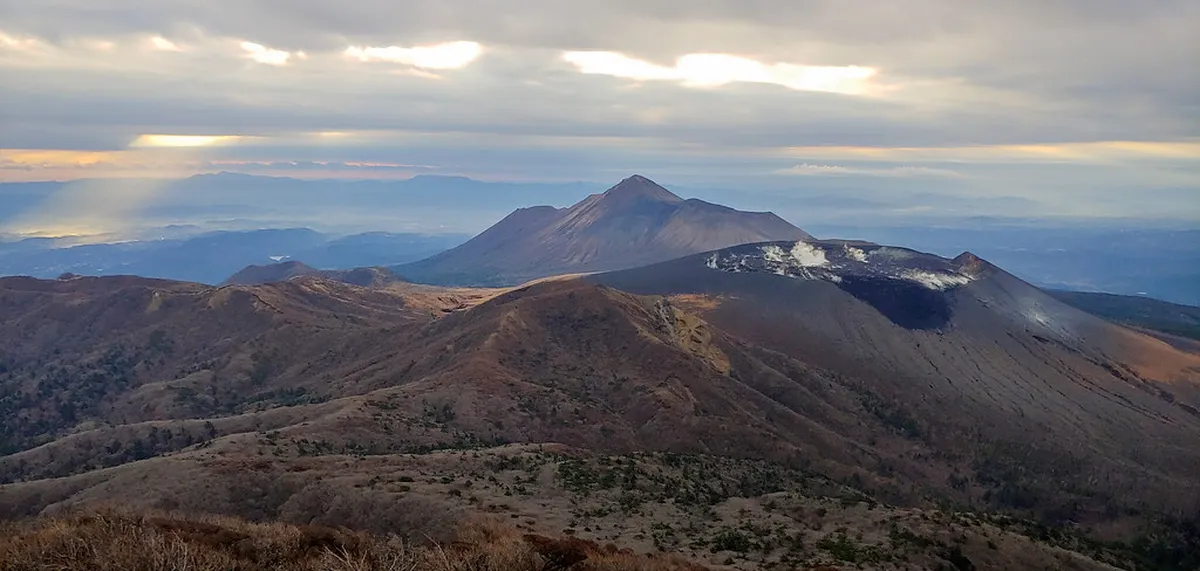
Table of Contents
Visiting Kirishima Jingu Shrine in Winter Snow: 2026 Guide
Experience the serene beauty of visiting Kirishima Jingu shrine in winter snow during your upcoming 2026 Japan trip. This sacred site sits nestled within the dense forests of Kagoshima Prefecture on the southern island of Kyushu. The bright vermilion colors of the shrine create a stunning contrast against the soft white winter landscape.
Many travelers forget that southern Japan offers such spectacular and mystical winter scenery in the high mountain ranges. This guide provides everything you need for a successful Kirishima shrines winter visit this season. You will discover the best times to see the snow and how to navigate the cold mountain terrain safely.
The Spiritual Magic of Kirishima Jingu
For the most up-to-date details, check Kagoshima official info before you go.
Kirishima Jingu holds a special place in Japanese history as a site dedicated to the ancient creation myths. The current structures date back to 1715 and feature complex wood carvings and vibrant traditional paint styles. During winter, the sounds of the surrounding forest become muffled by the thick blankets of cold mountain snow.Walking through the massive stone torii gates feels like entering a different world as the temperature shifts quickly. The shrine honors Ninigi-no-Mikoto, a deity central to the legendary foundation of the imperial lineage of Japan. Visitors often feel a strong sense of peace while exploring the many smaller buildings hidden among ancient cedar trees.
In 2026, the local priests continue to perform traditional rituals that resonate through the quiet snow-covered valleys surrounding the area. You can watch the steam from your breath rise as you offer a prayer at the main hall. The smell of cedar and incense mixes with the crisp morning air to create a truly spiritual atmosphere.
Keep an eye out for the 800-year-old sacred tree that stands tall despite the heavy winter weight on its branches. This giant cedar represents the enduring power of nature even during the harshest months of the southern winter season. It is a popular spot for locals who seek strength and longevity by touching the ancient bark surfaces.
What to Expect During Your Winter Snow Visit
Seeing the shrine grounds covered in deep snow requires specific timing and careful preparation for the high elevation weather. Snow typically falls from late December through February, though the peak accumulation often occurs during early January mornings. The temple staff works hard to clear paths, but some areas remain beautifully untouched for photographers to enjoy.
The bright red architecture of the buildings looks even more vibrant when framed by the sparkling white snowy background. You should bring sturdy boots with good grip to handle the potentially icy steps leading up to the shrine. The main courtyard provides ample space to admire the dramatic contrast of colors found throughout the sacred temple grounds.
Morning light offers the best chance to see the snow before it begins to melt under the midday sun. Temperatures often hover around freezing, so dressing in multiple warm layers is essential for a comfortable walking experience. Check the local Kagoshima winter travel guide 2026 for the most accurate daily weather forecasts before starting your long journey.
You may also encounter local wildlife such as deer or unique mountain birds foraging through the frozen forest floor. These small moments of natural beauty add to the overall feeling of being far away from the bustling cities. The silence is only broken by the occasional sound of snow falling from the high rooftops of the shrines.
Practical Travel Tips for Kirishima in Winter
Getting to the shrine from central Kagoshima city takes approximately one hour by train and a short bus ride. The JR Nippo Main Line provides frequent service to Kirishima-Jingu Station where local buses wait for arriving tourist groups. During the winter of 2026, bus schedules remain consistent but may experience slight delays during heavy mountain snowfall.
Entry to the shrine grounds is free for all visitors, though purchasing a lucky charm costs about 500 yen. The shrine office opens at 8:00 AM and stays active until sunset for those wishing to buy special talismans. Buying a hot coffee from a nearby vending machine can help keep your hands warm during the stroll.
Travelers should carry some cash for the bus fare and local shops located just outside the shrine entrance. Most small stalls do not accept international credit cards for cheap street food or local souvenirs like wooden charms. Plan to spend at least two hours exploring the various buildings and the scenic viewpoint overlooking the distant valleys.
If you have extra time, consider visiting the nearby visitor center to learn more about the local volcanic activity. The staff can provide paper maps showing all the different hiking paths that remain safe to use during winter. These paths offer unique perspectives of the shrine that most casual tourists miss during their short stay here.
Winter Photography at Kirishima Jingu
🌟 Local Expert Tip: Get the most out of your Kagoshima visit with guided tours!
Capturing the perfect shot of the snow-covered red gates requires patience and an eye for interesting natural light angles. The long entrance path lined with tall trees provides a wonderful leading line for your wide-angle camera lenses. You should use a lens hood to prevent wandering snowflakes from landing on your glass during the shooting process.
Consider reading a specialized guide on winter photography at Kirishima mountain ranges to improve your technical camera settings in bright snow. The white landscape can often trick your camera into underexposing the vibrant reds of the ancient shrine buildings. Manually adjusting your exposure compensation will ensure that the snow looks white rather than a dull or muddy gray.
Small details like the frozen water font at the entrance make for beautiful macro shots of crystalline ice formations. Traditional hanging lanterns often catch the light in the late afternoon, creating a warm glow against the cold blue shadows. Stay until dusk to see the architectural lights turn on and reflect off the polished surfaces of the buildings.
Keep your spare camera batteries close to your body to prevent them from draining quickly in the freezing temperatures. Cold air significantly reduces the life of electronic components, making it difficult to shoot for an entire day outside. Carry a microfiber cloth to wipe away condensation if you move between the cold outdoors and heated indoor spaces.
Nearby Attractions and Onsen Experiences
After your cold walk, there is nothing better than soaking in a nearby natural hot spring to warm your body. The Kirishima Onsen village is only a twenty-minute drive or bus ride from the main shrine entrance gates. Many local hotels offer day-use passes for their outdoor baths that overlook the smoking volcanic peaks in the distance.
Traditional multi-course meals featuring local Kagoshima pork are available at several restaurants near the bus stop and train station. These hearty dishes provide the necessary energy for a full day of winter exploring in the high mountain air. Sampling the local sweet potato shochu is also a popular way to end a long day of sightseeing.
You can also visit the Maruo Waterfall, which sometimes features beautiful ice formations along its edges during extreme cold snaps. The falls are located conveniently near the onsen town, making them an easy addition to your afternoon winter itinerary. The combination of steam from the hot springs and the cold mountain air creates a mysterious visual effect.
- Eat traditional Soba noodles at the small shops near the shrine for a warm and cheap lunch and snack.
- Visit the Takachiho-kawara visitor center for history on the mythical descent of the gods to the nearby mountain.
- Stop by the local souvenir shop to purchase unique Kirishima volcanic ash pottery for a special home gift.
Frequently Asked Questions
Is Kirishima Jingu shrine open Every Day during the winter?
Yes, the shrine remains open all year including during the peak of the winter snow season in Kagoshima. You can visit the grounds for free from sunrise until sunset every day including holidays in 2026. Some smaller shops might close during heavy snow, but the main shrine rituals always continue as scheduled.
How much does it cost to enter Kirishima Jingu in 2026?
Entrance to the main shrine grounds and the public forest paths is free for all domestic and international visitors. You only need money for specialized blessings, wooden plaques, or food items from the stalls near the entrance. Most visitors find that 2,000 yen covers their transportation, lunch, and a few small traditional souvenirs.
What should I wear for a winter visit to the Kirishima mountains?
You must wear warm thermal layers and a waterproof outer jacket to stay dry in the potential mountain snow. Waterproof boots with thick soles are the best choice for walking on the uneven and potentially slippery stone paths. Do not forget to bring gloves and a warm hat to protect yourself from the biting mountain winds.
Visiting Kirishima Jingu shrine in winter snow is a highlight of any trip to southern Japan during the cold months. The mix of spiritual history and natural beauty makes it a destination you will remember for many years. Start planning your 2026 trip now to experience this white winter wonderland in the heart of Kagoshima.
Key Takeaways
- Arrive early in the morning for the best snow photography opportunities without the large crowds.
- Wear waterproof footwear and thermal clothing for the freezing temperatures and potentially icy steps.
- Combine your shrine visit with a trip to a nearby hot spring in Kirishima Onsen village.
Related reads: polarcityguide.com, hiking trails in kirishima national park winter, bus tours from kagoshima to kirishima shrines.