
Best Winter Food in Kanazawa: Top 2026 Season Eats
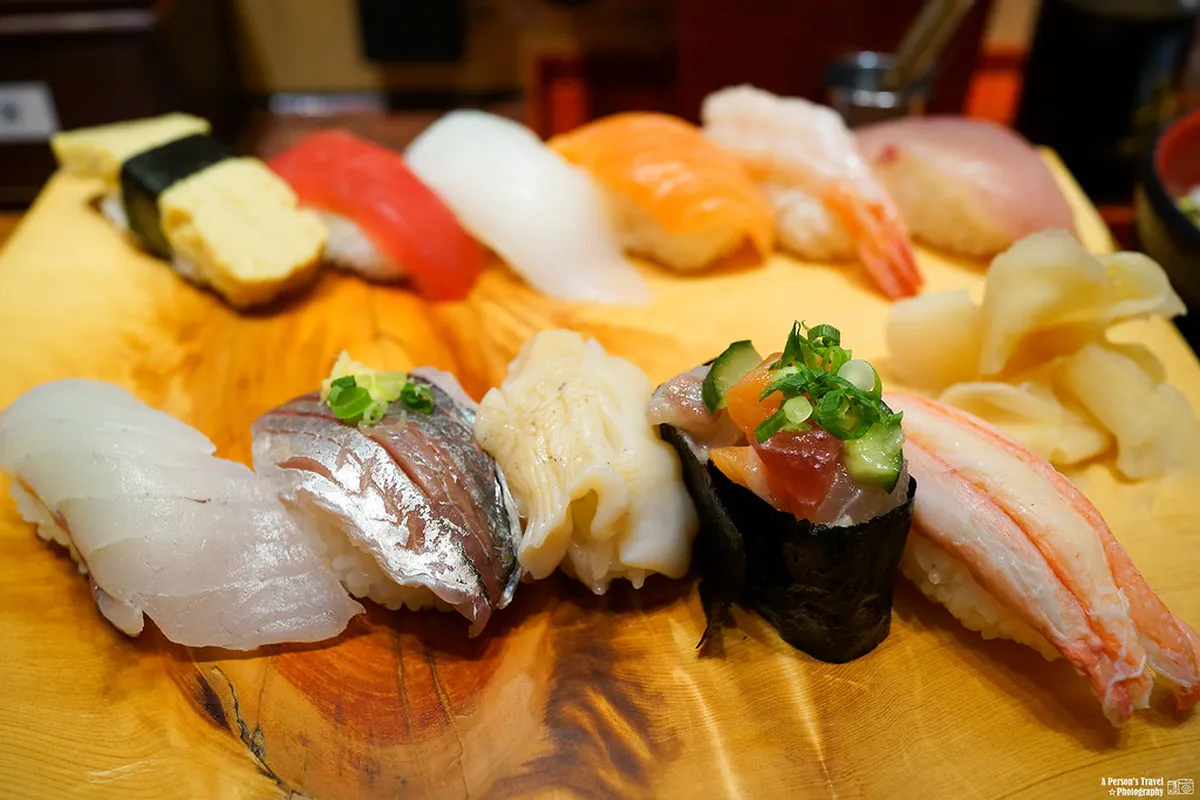
Table of Contents
The Ultimate Guide to the Best Winter Food in Kanazawa 2026
Kanazawa transforms into a culinary paradise during the snowy winter months of 2026. The city is famous for its fresh seafood and rich traditional stews. Many travelers visit specifically to taste the seasonal treasures from the Sea of Japan. You will find incredible flavors that are only available during this cold time of year.
The local food culture stays true to its historical roots. Chefs in Kanazawa use high-quality ingredients sourced from nearby mountains and coastal waters. Eating here provides a deep connection to the local heritage and snowy landscapes. It is truly the best winter food journey you can take in Japan.
Fresh Kano Crab and Kobako Crab Delicacies
For practical details and last-minute changes, use Kenrokuen Garden.
For the most up-to-date details, check 21st Century Museum of Contemporary Art before you go.
The Kano crab is the undisputed king of winter food in Kanazawa. These male snow crabs are famous for their sweet and succulent meat. Fishermen catch them in the cold waters off the Ishikawa coast. You can identify local crabs by the blue tags attached to their shells. This ensures you are eating the freshest catch available during the 2026 season.Female snow crabs are known locally as Kobako crabs. They are smaller than the males but offer a very intense flavor. Many people love the rich orange roe and creamy innards found inside. These crabs have a much shorter fishing season than the larger males. You must visit before late December to enjoy this specific seasonal delicacy.
For the best experience, visit the famous Omicho Market seafood stalls in the morning. Many vendors prepare fresh crab legs for you to eat on the spot. You can also find high-end restaurants serving elaborate multi-course crab feasts. A full crab dinner typically costs between 15,000 and 30,000 yen per person. It is an investment in a truly unforgettable Japanese dining experience.
Crab meat is served in many different ways throughout the city. You can try it as sashimi to enjoy the natural sweetness. Grilled crab legs provide a wonderful smoky aroma that warms you up. Some restaurants serve crab hot pot, where the broth becomes incredibly flavorful. No matter how you eat it, Kano crab remains a winter highlight.
Traditional Jibuni Duck Stew Comfort
Jibuni is the most famous traditional dish from Kanazawa's ancient Kaga cuisine. This thick stew features slices of duck coated in flour. The flour helps to thicken the broth and keeps the meat tender. It often includes local mushrooms, bamboo shoots, and wheat gluten known as fu. Each bite offers a warm hug on a cold winter day.
The secret to great Jibuni lies in the rich soy-based broth. Chefs simmer the ingredients slowly to develop a deep and complex flavor. A small amount of wasabi is usually served on top of the stew. This spicy kick balances the richness of the duck and the flour coating perfectly. It is a unique flavor combination you will not find elsewhere.
You can find this dish at many traditional Kanazawa restaurants and Ryokans across the city. It is often served in beautiful lacquerware bowls that showcase the city's artistry. Most sets cost between 2,000 and 4,000 yen for a lunch portion. Dinner prices can be higher depending on the restaurant's location and history. It is a must-try for any food lover.
Jibuni tells the story of Kanazawa's history through its ingredients and presentation. It was once a meal for the ruling samurai families of the region. Today, it remains a symbol of hospitality and local pride for all residents. Eating this stew feels like stepping back into the Edo period. It provides a true taste of old-world Japan in modern times.
Savoring Fatty Kanburi Winter Yellowtail
Winter yellowtail, or Kanburi, is at its peak during the coldest months. The fish migrate through the Sea of Japan to build up thick fat. This high fat content makes the meat melt in your mouth like butter. Locals wait all year for the first catch to arrive in early winter. It is considered one of the finest fish for sushi or sashimi.
The texture of Kanburi is much richer than yellowtail caught in other seasons. You can see the white marbling throughout the pink and red flesh. Some people prefer it served as Buri Shabu, which is light hot pot. You dip thin slices of raw fish into boiling broth for just seconds. This process renders some of the fat and creates a silky texture.
You will find the best yellowtail at top-rated Kanazawa seafood restaurants near the station. Many sushi chefs create special winter platters featuring different cuts of the fish. Prices for a premium Kanburi sushi set range from 3,000 to 6,000 yen. The quality of the fish makes every yen spent worth it. Do not miss the chance to try this seasonal gem.
Yellowtail is also delicious when grilled with a simple salt seasoning or soy glaze. This method brings out the natural oils and creates a crispy skin. Many Izakayas serve grilled yellowtail collar, which is the fattiest part of the fish. It pairs excellently with a glass of locally brewed cold sake. This combination is a favorite for locals relaxing after a snowy day.
Warm and Savory Kanazawa Oden
💡 Pro Tip: Book your Kanazawa adventures in advance through Viator for the best deals!
Oden is a popular Japanese comfort food found all over the country. However, Kanazawa Oden is unique because of its regional ingredients and flavors. The broth is usually light but packed with savory umami from local kelp. You will see people lining up outside Oden shops even in heavy snow. It is the ultimate way to stay warm during your 2026 visit.
Distinct Kanazawa ingredients include Kaga-fu, which is a soft and spongy wheat gluten. It soaks up the delicious broth and releases it with every single bite. Another local favorite is shell-on whelk, a type of sea snail with a firm texture. You might also find grilled tofu or thick slices of Daikon radish. These items are simmered for hours to ensure maximum flavor absorption.
The most famous local addition is the crab shell filled with meat. This is known as Kani-men and is only available during the crab season. Chefs pack minced crab meat and roe into a small shell before simmering. It is a luxury item that elevates the humble oden to something special. Expect to pay about 1,500 to 2,500 yen for a single Kani-men.
Most Oden shops have a very cozy and nostalgic atmosphere for diners. You sit at a wooden counter and point to the items you want. It is a great way to interact with local people and chefs. A full meal with several items and a drink costs around 3,000 yen. It is an affordable and satisfying way to eat like a local.
Winter Sake and Seasonal Wagashi Sweets
⭐ Recommendation: Don't miss out on amazing Kanazawa tours - book now!
Winter is the traditional season for brewing fresh sake in the Kanazawa region. The cold air and pure mountain water create the perfect conditions for fermentation. You can taste Shiboritate, which is freshly pressed sake that has not been aged. It has a lively and slightly fizzy character that is very refreshing. Many breweries offer tours and tastings during the winter months.
Pairing fresh sake with winter seafood is a highlight of Kanazawa nightlife. Many visitors join professional sake tasting tours to learn about local varieties. The dry styles of sake from Ishikawa complement the fatty fish perfectly. You can find small bars in the Higashi Chaya district serving these local brews. One glass usually costs between 600 and 1,200 yen at most establishments.
- Try Junmai Ginjo: This premium sake offers fruity and floral notes.
- Sample Nigori: This cloudy sake has a creamy texture and sweet finish.
- Hot Sake (Atsukan): Perfect for warming your hands and body after walking.
Finish your winter food tour with some seasonal Japanese sweets or Wagashi. Kanazawa is one of the top three cities in Japan for traditional tea culture. Winter sweets often feature motifs like snow-covered pine trees or winter camellia flowers. These are made with sweet bean paste and delicate rice flour coatings. They are as beautiful to look at as they are to eat.
Frequently Asked Questions
What is the most famous winter food in Kanazawa?
Kano crab is the most famous winter delicacy in Kanazawa for 2026. This male snow crab is prized for its sweet meat and high quality. You can find it at Omicho Market and many local restaurants. The season usually runs from November to March each year.
Is food expensive in Kanazawa during the winter?
Prices vary greatly depending on what you choose to eat in the city. High-end crab dinners are expensive but oden and jibuni are quite affordable. You can enjoy a great meal for 2,000 to 4,000 yen per person. Markets offer cheaper snacking options for budget travelers visiting in winter.
Where is the best place to try seafood in Kanazawa?
Omicho Market is the best place for a wide variety of fresh winter seafood. It features over 170 stalls and restaurants serving the latest local catches. You should visit early in the morning to see the best selection of crabs. Many shops allow you to eat fresh sashimi right at the counter.
What is unique about Kanazawa Oden?
Kanazawa Oden stands out because it uses local Kaga ingredients like wheat gluten. The crab shell known as Kani-men is another unique and luxury seasonal addition. The broth is typically lighter and more refined than the versions found in Tokyo. It is a beloved local staple for cold nights.
Kanazawa offers some of the most extraordinary winter dining experiences in all of Japan. From the luxury of Kano crab to the warmth of Jibuni stew, there is something for everyone. Make sure to visit Omicho Market early to catch the best seasonal seafood. Plan your 2026 trip to include plenty of time for exploring the local food stalls. We hope you enjoy every bite of the seasonal winter delicacies available in this beautiful city.
Key Takeaways
🌟 Local Expert Tip: Get the most out of your Kanazawa visit with guided tours!
- Prioritize Kano Crab and Kobako Crab for a true local winter experience.
- Visit Omicho Market in the morning for the freshest seafood at lower prices.
- Warm up with traditional Jibuni duck stew and local Kanazawa Oden.
- Look for 'Shiboritate' fresh sake for a unique seasonal winter beverage.
- Ensure you visit before late December if you want to try the rare Kobako crab.