
Omicho Market Winter Seafood Guide 2026
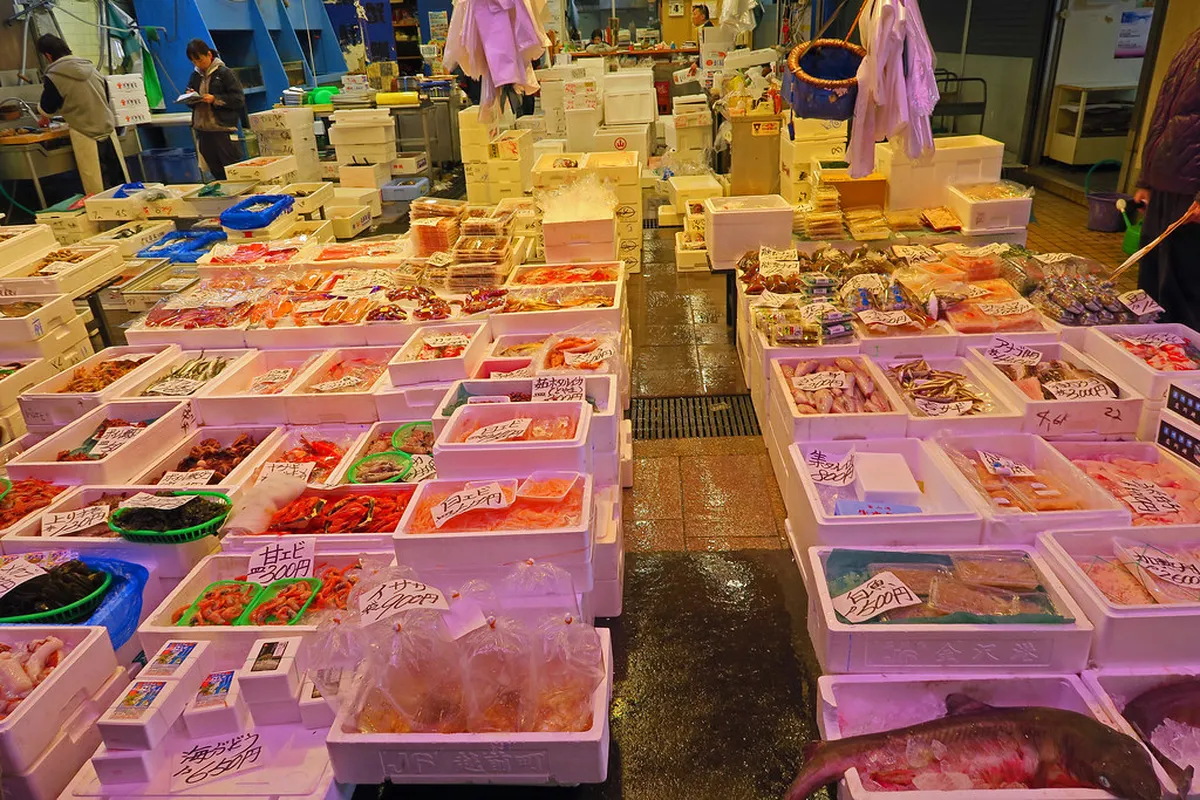
Table of Contents
The Ultimate Omicho Market Winter Seafood Guide 2026
Omicho Market stands as the vibrant heart of Kanazawa's culinary scene for over three centuries. This bustling market features over 180 stalls selling fresh local products from the Sea of Japan. Winter is the peak season for many delicious and rare local seafood specialties. Our Omicho Market winter seafood guide 2026 covers everything you need for a perfect food tour.
Kanazawa transforms into a snowy paradise during the colder months of the year. The icy waters of the nearby sea produce the highest quality fish and shellfish. Visitors traveling to Kanazawa in 2026 will find unique ingredients at every corner. You should check a Kanazawa winter travel guide 2026 to prepare for the chilly weather conditions.
Navigating the narrow alleys of Omicho Market requires some basic local knowledge and planning. Most stalls open early in the morning and close by the late afternoon. You will find the freshest catches if you arrive just after the market opens. This guide will help you identify the best seasonal treats available this winter.
Winter Seafood Stars: Kano and Kobako Crab
For current hours, prices, and announcements, start with Kanazawa travel info.
For the most up-to-date details, check Kanazawa travel info before you go.
Male snow crabs are known locally as Kano Crab during the peak winter months. These expensive crabs are famous for their incredibly sweet taste and very tender white meat. One large crab will usually cost between 10,000 and 30,000 yen at most stalls. Look for the special green tag that identifies authentic crabs caught in Ishikawa Prefecture.Female snow crabs are called Kobako Crab and are much smaller than the males. They are prized by locals for their rich orange eggs and delicious crab miso. The season for Kobako Crab is very short and typically ends in late December. You must try these small delicacies early in the winter season to enjoy them fresh.
Many stalls in Omicho Market offer to steam your purchased crab for immediate consumption. You can find seating areas near the back of certain stalls for a quick meal. The price for steaming is usually a small additional fee per crab. This is the best way to enjoy best winter food in Kanazawa while exploring.
Crab prices vary daily based on the size and the morning's auction results. Quality is highest in 2026 due to sustainable fishing practices in the Sea of Japan. Expect to pay more for perfectly intact crabs without any missing legs. These premium items make excellent gifts for food lovers visiting the city.
Selecting the right crab requires looking at the shell and the weight of the animal. A heavy crab usually indicates a high amount of succulent meat inside the shell. Vendors are often happy to help you pick out the best catch of the day. Do not hesitate to ask for recommendations from the experienced shop staff.
Must-Try Winter Sashimi and Kanburi Yellowtail
Yellowtail fish, known as Buri, is the undisputed king of winter seafood in Kanazawa. Winter Buri is famous for having a high fat content and a buttery texture. This seasonal fish is often referred to as Kanburi when caught during the coldest months. Many market stalls serve thick slices of Kanburi sashimi on small wooden trays.
Sweet shrimp, or Amaebi, is another winter staple you should not miss at Omicho Market. These small red shrimp are exceptionally sweet and have a creamy, delicate texture. One serving of fresh Amaebi usually costs around 500 to 800 yen per plate. They are best eaten raw with just a tiny drop of local soy sauce.
Kaisen-don is a popular seafood bowl that features a variety of seasonal winter toppings. Most restaurants inside the market offer special winter bowls that include crab, shrimp, and Buri. Prices for a high-quality seafood bowl typically range from 2,500 to 5,000 yen. Check our list of best winter food in Kanazawa for more top dining ideas.
Try the Nodoguro, or rosy seabass, which is a local luxury fish found in Kanazawa. It is fatty and delicious whether served as sashimi or lightly grilled with salt. A single piece of Nodoguro sushi can cost as much as 800 yen. The rich flavor makes it a favorite among seafood enthusiasts visiting Japan in 2026.
Eating at a standing sushi bar is a great way to sample different winter varieties. These small shops allow you to order individual pieces of fish at your own pace. Most standing bars in the market provide menus with clear English translations and prices. It is a quick and efficient way to taste the sea's bounty.
Warm Seafood Comfort Foods in Omicho
Kanazawa Oden is a perfect way to warm up during a cold winter day. Local Oden features unique ingredients like Baigai shellfish and Kumen wheat gluten. You will also find steamed crab shells stuffed with seasoned crab meat and eggs. Most Oden stalls offer a warm atmosphere and stools for weary travelers to rest.
Grilled seafood skewers are an excellent choice for a walking snack through the market. Look for stalls grilling scallops, oysters, and squid over hot charcoal flames. The smoky aroma fills the air and attracts many hungry visitors throughout the day. Skewers usually cost between 500 and 1,500 yen depending on the seafood type.
Pufferfish, or Fugu, is a seasonal winter specialty that is safely prepared by licensed chefs. You can find Fugu sashimi or fried Fugu available at several specialized market stalls. The fish has a unique texture and a very subtle, clean flavor. It is a daring but safe culinary adventure for adventurous eaters in Kanazawa.
Warm sake pairs perfectly with the fatty winter seafood found throughout Omicho Market. Many shops sell small cups of heated local sake for a few hundred yen. This helps keep you warm while you browse the outdoor stalls in the snow. You can also find bottled sake to take back to your hotel room.
Steamed buns filled with crab or beef are another hot snack to enjoy while walking. These buns are soft, fluffy, and filled with savory local ingredients from the region. At just 400 yen each, they are an affordable and filling winter treat. They are especially popular with families and younger travelers visiting in 2026.
Planning Your 2026 Winter Visit to Omicho
⭐ Recommendation: Don't miss out on amazing Kanazawa tours - book now!
The market is most active between 9:00 AM and 11:00 AM each morning. Arriving early ensures you see the full variety of seafood before items sell out. Many popular restaurants start having long lines as early as 10:30 in the morning. Plan to have an early lunch to avoid waiting for over an hour.
Most stalls and shops in Omicho Market close on Wednesdays and Sundays. It is important to check the market calendar before planning your specific visit days. Some restaurants remain open even when the fresh fish stalls are closed for the day. However, the market feels much less exciting during these quieter off-days.
Wearing warm clothes and waterproof shoes is essential for visiting Kanazawa in the winter. The market floors can be wet and slippery from melted snow and ice. Expect temperatures to hover around freezing during your morning walk through the market stalls. You can find more seasonal winter delicacies in Kanazawa Japan on our blog.
Bring enough cash as some smaller stalls do not accept credit card payments. While many newer shops use digital payments, older vendors still prefer Japanese yen. There are several ATMs located near the main entrances of the market building. Having small bills will make your street food purchases much faster and easier.
Respect the local market etiquette by not eating while you are walking. Most stalls prefer that you stand still while enjoying your purchased food items. Remember to dispose of your trash in the bins provided by the vendors. These small gestures show respect for the local culture and the market workers.
Frequently Asked Questions
What is the must-eat winter food at Omicho Market?
Kano Crab and Kanburi yellowtail are the most famous winter foods in Kanazawa. You should also try the local sweet shrimp known as Amaebi. These items are at their peak quality during the cold winter months. Most visitors enjoy these served over a fresh bowl of rice.
How much does a seafood bowl cost at Omicho Market in 2026?
A basic seafood bowl usually costs around 2,500 yen at most market restaurants. Premium bowls with crab or sea urchin can cost up to 5,000 yen. Prices are slightly higher on weekends due to the increased number of tourists. It is always wise to check the menu prices before you sit.
Is Omicho Market open every day during the winter?
The market is generally open every day except for many Wednesdays and Sundays. Most shops also close during the New Year holidays from January 1st to 4th. Specific hours are usually from 9:00 AM until 5:00 PM for most stalls. Check the official website for exact holiday closing dates in 2026.
Omicho Market offers an incredible culinary experience for every winter traveler in Kanazawa. From sweet Kano Crab to fatty yellowtail, the seasonal seafood variety is truly world-class. Use this Omicho Market winter seafood guide 2026 to navigate the stalls with confidence. We hope you enjoy the amazing flavors of the Sea of Japan during your trip.
Key Takeaways
- Arrive before 10:00 AM to see the best selection of fresh seafood.
- Look for the green authenticity tags on male Kano snow crabs.
- Carry plenty of Japanese yen for smaller street food stall purchases.
- Avoid visiting on Wednesdays when many market stalls are closed.
- Try Kanazawa Oden to stay warm while exploring the market alleys.
Related reads: polarcityguide.com, where to eat kano crab in kanazawa, best kanazawa restaurants for winter seafood.