
Seasonal Winter Delicacies in Kanazawa Japan Guide
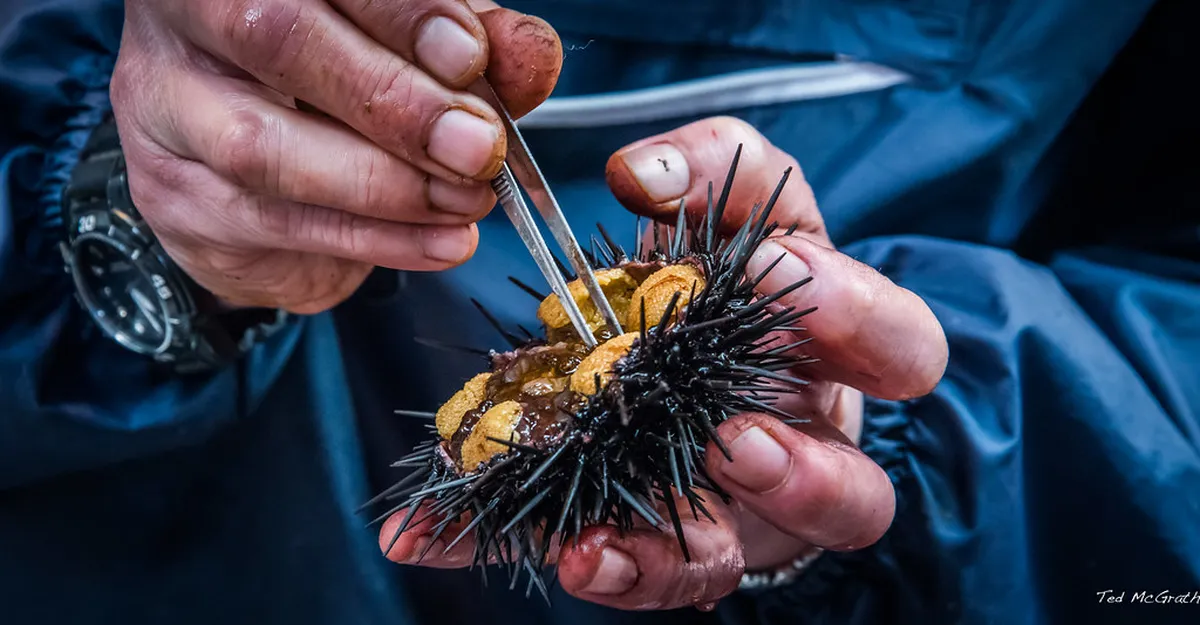
Table of Contents
10 Best Seasonal Winter Delicacies in Kanazawa Japan for 2026
Kanazawa is a premier destination for food lovers during the colder months. The city transforms into a culinary paradise when the temperatures drop. You can find many rare seasonal winter delicacies in Kanazawa Japan starting every November. These dishes highlight the incredible bounty of the nearby Sea of Japan.
Eating local food is the best way to experience Kanazawa culture. Many visitors travel here specifically for the world-class seafood selection. You will find fresh ingredients that are only available for a short time. Planning your itinerary around these flavors ensures a memorable trip in 2026.
The winter season officially kicks off with the opening of the crab season. Local markets and restaurants become lively centers of gastronomic activity. You should prepare your palate for rich flavors and unique textures. Check out this Kanazawa winter travel guide 2026 to start your planning process.
From high-end sushi bars to bustling street markets, the options are endless. Each neighborhood offers a different perspective on traditional Ishikawa prefecture cuisine. The combination of historical charm and fresh produce is truly unmatched. Let us explore the most famous winter dishes you must try.
The King of Seafood: Kano Crab
To plan your trip, review Kanazawa travel info.
For current hours, prices, and announcements, start with Kanazawa travel info.
Kano crab is the local name for male snow crab in Kanazawa. It is widely considered the king of all winter seafood. The official fishing season begins on November 6 each year. You can only enjoy this fresh delicacy until the end of March.The meat of the Kano crab is exceptionally sweet and firm. Chefs often serve it boiled, grilled, or as fresh sashimi. Many high-end restaurants also offer it in a traditional hot pot. Expect to pay between 15,000 and 40,000 JPY for a large crab.
Restaurants in the Higashi Chaya district specialize in elaborate crab courses. These meals often include crab porridge to finish the dining session. You should book your reservation weeks in advance for popular spots. The demand for Kano crab peaks during the December holiday season.
Local seafood markets also sell these crabs for home preparation. You can see the authentic blue tags identifying them as local catch. These tags guarantee the crab comes from the Ishikawa coastal waters. It is the gold standard for quality and freshness in 2026.
Sharing a large crab platter is a great social experience. Most venues provide specialized tools to help you extract the meat. It is a slow and rewarding way to enjoy a meal. The rich flavor pairs perfectly with local Ishikawa sake varieties.
Kobako Crab: The Seasonal Winter Queen
Kobako crab is the smaller female version of the snow crab. This variety is famous for its rich orange roe and innards. The season for Kobako crab is very short compared to others. You can only find it from early November until late December.
Locals often prefer the female crab for its intense savory profile. The crunchy outer eggs provide a unique and pleasant texture. Many diners enjoy the creamy "miso" found inside the main shell. It is a concentrated explosion of ocean flavors in every bite.
- Best served as Kobako-zushi or over rice.
- Typically costs between 2,000 and 5,000 JPY per crab.
- Available at almost every stall in regional fish markets.
- The shells are often used to make flavorful soup stocks.
Chefs often stuff the crab meat and roe back into the shell. This presentation is beautiful and makes it very easy to eat. It is a common sight at izakayas throughout the city center. Many people consider this the ultimate winter treat in Kanazawa.
Because the season is so brief, you must time your visit. Travelers arriving in January will often miss this specific delicacy. Try to visit in late November for the best selection. The quality is highest when the sea is at its coldest.
Fresh Yellowtail and Winter Sushi
Winter yellowtail is known locally as "Kan-buri" during the snowy months. The fish migrates south and develops a high fat content. This results in a melt-in-your-mouth texture that sushi lovers crave. It is a staple of many 2026 winter menus.
The best way to enjoy Kan-buri is in thick sashimi slices. You will notice the rich marbling which looks like high-quality beef. Some restaurants serve it as "Buri Shabu" in a hot broth. This lightly cooks the outside while keeping the center tender.
Pairing your yellowtail with daikon radish is a traditional local choice. The sharpness of the radish cuts through the fatty fish perfectly. You can find this combination in many casual sushi kaiten shops. Prices for premium Buri plates usually range from 600 to 1,200 JPY.
Yellowtail is also used in a fermented dish called Kabura-zushi. This involves layering salted fish between slices of pickled turnip. It is a traditional winter preservation method with a deep history. Most families in Kanazawa eat this during the New Year holidays.
You can purchase Buri-related gifts at the main Kanazawa Station. Look for vacuum-sealed fillets that are ready for travel. Many shops offer tasting samples so you can choose your favorite. The fish is at its peak during heavy snowfalls.
Warm Comfort with Jibuni Duck Stew
💡 Pro Tip: Book your Kanazawa adventures in advance through Viator for the best deals!
Jibuni is the most iconic warm dish in the Kanazawa region. It features thin slices of duck or chicken coated in flour. The flour helps thicken the soy-based broth into a rich gravy. This cooking style keeps the meat incredibly moist and tender.
The stew typically includes local ingredients like bamboo shoots and mushrooms. It is often served with a small dollop of wasabi on top. The heat from the wasabi enhances the savory duck flavor beautifully. It is the perfect meal for a snowy afternoon.
You can find this dish at many traditional ryotei restaurants. It is a core part of the local "Kaga Cuisine" heritage. You can learn more about trying jibuni duck stew in Kanazawa for your next trip. Most sets range from 1,800 to 3,500 JPY per person.
The name "Jibuni" comes from the sound of the simmering pot. It is a hearty meal that provides long-lasting warmth and energy. Many locals enjoy it with a bowl of hot steamed rice. It represents the ultimate comfort food for the winter season.
Chefs often add "fu" which is a local specialty of wheat gluten. The gluten soaks up the delicious broth like a sponge. Every vegetable in the bowl is chosen for its seasonal freshness. It is a balanced and healthy way to dine.
Exploring Seasonal Winter Delicacies in Kanazawa Japan
💡 Pro Tip: Book your Kanazawa adventures in advance through Viator for the best deals!
Omicho Market is the best place to find seasonal winter delicacies in Kanazawa Japan. This historic market has served the city for over 300 years. You will find over 170 stalls selling fresh seafood and produce. It is affectionately known as "Kanazawa's Kitchen" by the locals.
Walking through the market in winter is a sensory delight. You will see rows of bright red crabs on ice beds. Vendors often offer small cups of hot sake to shoppers. It is a lively atmosphere despite the cold winter weather.
Many stalls allow you to eat fresh seafood on the spot. You can try grilled oysters or sea urchin right at the counter. Visiting an Omicho Market winter seafood guide 2026 can help you find stalls. Arrive before 10 AM to beat the largest crowds.
Don't forget to try the Kaga vegetables sold in the market. These are heirloom varieties grown specifically in the Ishikawa prefecture. Deep purple sweet potatoes and thick lotus roots are winter favorites. These ingredients often appear in the city's best restaurant dishes.
The market also sells unique fermented snacks like "Konka-zuke". This is fish pickled in rice bran for a long time. It has a very strong and salty umami flavor profile. It is an acquired taste that pairs well with drinks.
Winter Sweets and Steamed Treats
Winter is the best time for traditional Japanese sweets in Kanazawa. Warm manju cakes filled with sweet bean paste are very popular. You can find vendors steaming these fresh on the street corners. The steam rising in the cold air is very inviting.
Kanazawa is also famous for its high-quality gold leaf products. You can try soft-serve ice cream decorated with real gold leaf. While it is cold, the experience is iconic for 2026 tourists. It makes for a very impressive and shiny photo opportunity.
Hot sake is another essential winter delicacy to enjoy. The Ishikawa region produces some of the finest rice in Japan. Many sake breweries offer tasting tours during the winter months. A warm cup of junmai sake will instantly heat your body.
Consider visiting a traditional tea house for a matcha set. These sets come with seasonal wagashi sweets shaped like winter flowers. The quiet atmosphere of a tea house is very peaceful. It provides a nice break from the busy sightseeing spots.
Many shops also sell "Oden," which is a classic winter stew. Local Kanazawa oden includes unique items like "Kuruma-fu" gluten rings. The light dashi broth is savory and very easy to drink. It is a cheap and satisfying dinner option.
Frequently Asked Questions
⭐ Recommendation: Don't miss out on amazing Kanazawa tours - book now!
When is the best time to eat crab in Kanazawa?
The best time is between November and March. Kano crab is available throughout this entire period. However, Kobako crab is only available until late December. Plan your visit for November if you want to try both.
Is winter seafood expensive in Kanazawa Japan?
Prices vary depending on where you choose to eat. A premium crab dinner can cost over 30,000 JPY. However, market stalls offer fresh bowls for 2,000 JPY. There are options for every budget in the city.
Where should I go for the best winter street food?
Omicho Market is the top spot for street food lovers. You can try many small portions of seafood and snacks there. The Higashi Chaya district also has many great sweet shops. Both areas provide authentic local flavors for visitors.
What are the must-try dishes besides crab?
You should definitely try Jibuni duck stew and Kan-buri yellowtail. These are iconic winter flavors that locals love. Fermented dishes like Kabura-zushi are also very unique to Kanazawa. Each dish offers a different taste of the region.
Do I need to make reservations for winter restaurants?
Yes, reservations are highly recommended for famous crab restaurants. Many popular places fill up weeks in advance during winter. Casual market stalls usually do not require any prior booking. Use a hotel concierge to help with difficult reservations.
Kanazawa offers an incredible array of food during the winter season. From the prestigious Kano crab to the comforting Jibuni stew, there is much to discover. Exploring these seasonal winter delicacies in Kanazawa Japan will be a highlight of your 2026 trip. Make sure to visit the local markets for the freshest experience possible. Start planning your food tour today to secure the best dining spots!
Key Takeaways
- Crab season officially starts on November 6 and is a city-wide celebration.
- Kobako crab is a rare delicacy only available from November to December.
- Omicho Market is the best place for affordable and fresh winter seafood bowls.
- Jibuni duck stew provides a warm and traditional alternative to seafood dishes.
- Reservations are essential for high-end seafood restaurants during the peak winter months.
Related reads: polarcityguide.com, best winter food in kanazawa, where to eat kano crab in kanazawa.