
Kumamoto Winter Itinerary 3 Days: 2026 Travel Guide
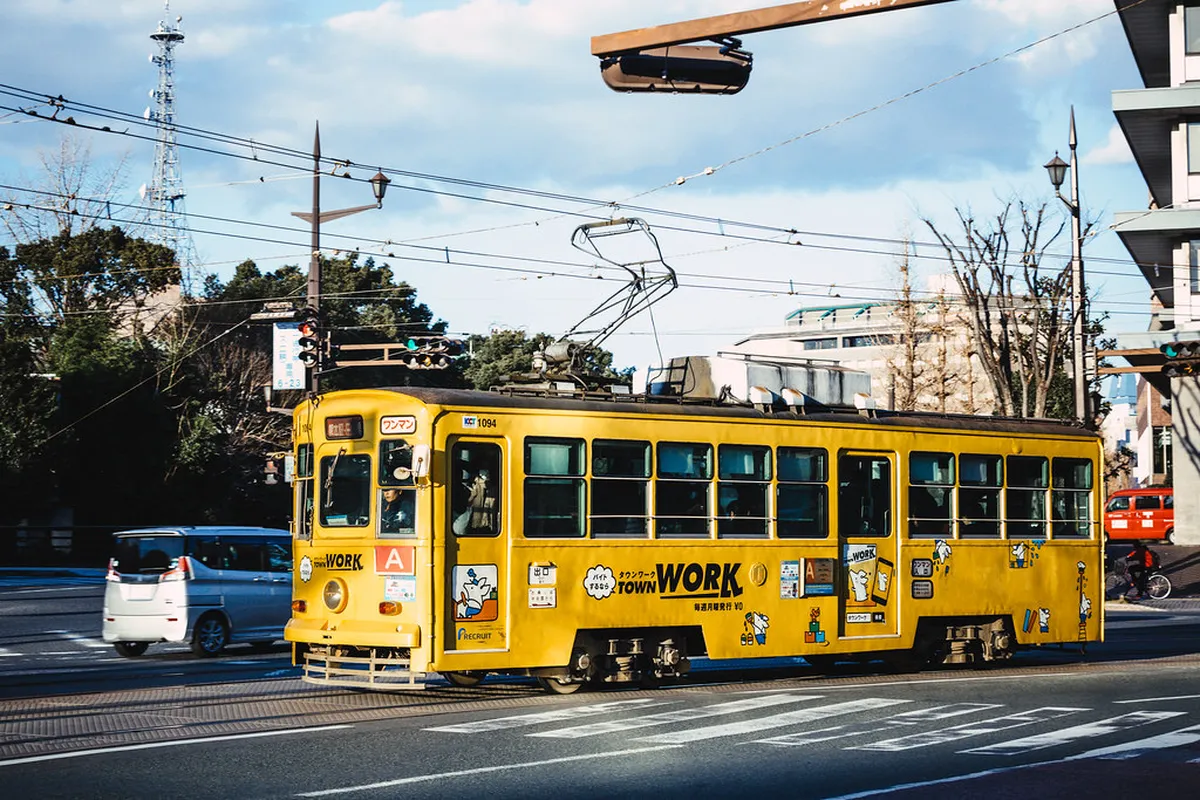
Table of Contents
The Ultimate 3-Day Kumamoto Winter Itinerary for 2026
Winter in Kumamoto offers crisp air and stunning views across the historic landscape of Kyushu. Visiting this Japanese city in 2026 ensures a magical seasonal experience with fewer crowds. This Kumamoto winter itinerary 3 days covers history, nature, and relaxation perfectly for every traveler. Prepare for warm food and beautiful sights in this charming region during the colder months.
The city transforms into a peaceful wonderland as temperatures drop from December through late February. You can enjoy illuminated castles and steaming hot springs tucked away in the mountain valleys. This guide provides a detailed daily plan to maximize your time in this southern gem. Start your journey with a focus on cultural heritage before heading into the volcanic wilderness.
Day 1: Kumamoto Castle and City Culture
For current hours, prices, and announcements, start with Kumamoto travel info.
For the most up-to-date details, check Kumamoto travel info before you go.
You will start your morning at the majestic Kumamoto Castle, which remains a city icon. The castle grounds look particularly beautiful when framed by the sharp, clear winter blue sky. Many visitors enjoy the crisp air while exploring the massive stone walls and tall keeps. Check out the Kumamoto Castle winter light up displays scheduled for various nights throughout early 2026.Next, walk down to the Sakura-no-baba Josaien area located right at the foot of the castle. This traditional-style complex features many shops selling local snacks and unique souvenirs for your trip. Try the famous karashi renkon, which is a spicy mustard-filled lotus root served hot and fresh. This local delicacy provides a wonderful warming sensation that is perfect for a chilly winter afternoon.
Spend your late afternoon at the Suizenji Jojuen Garden to see meticulous Japanese landscaping at its best. The garden features a miniature Mount Fuji and crystal-clear spring water that never freezes over winter. Walk slowly along the circular path and enjoy the peaceful atmosphere of this historic seventeenth-century site. The tea house offers a warm place to rest while looking out over the scenic water.
End your first day with a bowl of hot Kumamoto ramen in the lively Shimotori district. This local style of ramen features a rich pork broth enhanced with toasted garlic oil and chips. Many restaurants are open late, providing a cozy refuge from the cold evening air in the city. The vibrant shopping arcade keeps you protected from any winter wind while you explore local boutiques.
Day 2: Volcanic Wonders of Mount Aso
Take a scenic train or bus ride toward the massive caldera of Mount Aso for adventure. The mountain peaks often receive a light dusting of snow, creating a dramatic and volcanic landscape. You can explore the vast grasslands of Kusasenri-ga-hama, which look ethereal during the quiet winter season. This area is essential for any Mount Aso winter activities you might want to experience in 2026.
Visit the Aso Volcano Museum to learn about the geological forces that shaped this unique Japanese region. The museum provides interactive exhibits that are great for escaping the cold for an hour or two. You can observe live camera feeds of the crater when the weather conditions are safe for viewing. Check local alerts before heading up the mountain, as volcanic activity and snow can affect access.
Explore the historic Aso Shrine, which is one of the oldest and most important shrines in Japan. The surrounding shopping street, Ichinomiya, features charming water fountains with drinkable spring water from the volcano. You will find small cafes serving hot amazake, a sweet fermented rice drink that warms the soul. This area feels like a step back in time with its traditional wooden buildings and shops.
Return to Kumamoto city in the evening to enjoy a feast of fresh, local horse meat sashimi. Known as basashi, this lean and healthy meat is a highly prized specialty of the Kumamoto region. Many izakayas serve it alongside warm sake, which is the perfect way to conclude a mountain excursion. The contrast of cold meat and hot soup makes for a memorable winter dining experience.
Day 3: Relaxation in Hot Spring Towns
Dedicate your final day to the ultimate Japanese winter tradition by visiting a nearby hot spring town. You can take a day trip to Kurokawa Onsen or stay closer to the city center. These geothermal waters offer healing properties and a chance to soak away any travel-related muscle fatigue. Consult our Kumamoto winter onsen guide to find the best bath for your personal preferences.
Kurokawa Onsen is famous for its atmospheric streets and outdoor baths located right along the river bank. You can purchase a wooden pass that allows entry into three different hot springs for one price. Walking through the steam-filled streets in a traditional yukata robe is a highlight for many winter visitors. The town looks particularly romantic when the bamboo lanterns are lit up during the evening hours.
If you prefer to stay in the city, visit the tranquil gardens of the Shimada Museum of Art. This gallery houses artifacts related to the famous samurai Miyamoto Musashi who lived in a nearby cave. The quiet halls provide a reflective space to appreciate the local history and art during your stay. It is a great indoor option if the winter weather becomes too rainy or extremely windy.
Complete your 3-day journey by visiting the rooftop terrace of the Kumamoto Sakura Machi shopping mall. This modern space offers a panoramic view of the entire city and the distant mountains of Aso. You can reflect on your journey while watching the city lights begin to twinkle in the dusk. Grab some final souvenirs at the basement food hall before heading to the airport or station.
Essential Foods for a Winter Visit
💡 Pro Tip: Book your Kumamoto adventures in advance through Viator for the best deals!
Eating seasonal dishes is a vital part of any Kumamoto winter itinerary 3 days for food lovers. Winter is the best time to enjoy hearty stews and hot pots featuring locally sourced vegetables. The coastal areas provide fresh seafood that tastes best when the ocean waters are at their coldest. Make sure to try the best winter foods in Kumamoto to truly experience the local culture.
Dagojiru is a thick miso soup filled with hand-pulled flat noodles and various mountain root vegetables. This rustic dish has been a staple for Kumamoto families during the cold winters for many generations. You will find it served in many traditional restaurants around the Aso region and the castle. It provides long-lasting energy and warmth for a full day of sightseeing in the chilly air.
Sweet potatoes are another winter staple that you will find sold as roasted snacks on street corners. The local varieties are incredibly sweet and creamy, making them a perfect natural dessert after a meal. Many shops also sell steamed cakes made with sweet potato and bean paste known as ikinari dango. These treats are best enjoyed while they are still steaming hot from the traditional bamboo basket.
Tips for Navigating Kumamoto in Winter
Navigating the city is quite easy if you use the convenient tram system that loops through major sites. Purchase a one-day pass to save money if you plan to visit multiple attractions in one afternoon. The trams are heated and provide a charming way to see the city streets while staying warm. Check the winter weather in Kumamoto to dress in appropriate layers for your daily outings.
Pack a high-quality coat and thermal layers, as the wind can feel quite sharp near the mountain. While heavy snow is rare in the city center, the Aso region can be much colder than expected. Wearing comfortable walking shoes with good grip is important if you plan to explore the castle ruins. Carrying small heat packs, known as kairo in Japan, will help keep your hands warm during walks.
Booking your accommodation near the Kumamoto Station or the Torichosuji tram stop will save you significant travel time. These areas offer easy access to both the local transport lines and the major shopping districts. You will find many hotels that feature their own public baths for a relaxing soak every night. Having a warm base to return to makes the winter chill much easier to handle.
Frequently Asked Questions
Does it snow in Kumamoto during the winter months?
Snow in the city center is rare and usually melts very quickly when it does fall. However, the higher elevations of Mount Aso frequently see snow throughout the months of January and February. You should prepare for colder temperatures and potential ice if you are traveling into the mountains. Always check local forecasts before you plan any drives or long hikes in the volcanic region.
Is three days enough time to see Kumamoto?
Three days is the perfect amount of time to see the main city highlights and Aso. You can spend one day on history, one on nature, and one on hot spring relaxation. This pace allows you to enjoy the sites without feeling rushed through the various cultural experiences. If you want to visit more remote areas like Amakusa, you might need extra days.
Are the tourist attractions open during the winter holidays?
Most major attractions like Kumamoto Castle remain open, but some may close for a few days in late December. Specifically, the dates between December 29th and January 1st often see temporary closures for New Year celebrations. It is wise to check the official website of each museum or garden before you visit. Shrines are usually very busy but remain open for traditional New Year prayers and events.
What is the best way to get to Mount Aso from Kumamoto?
The JR Houhi Line offers a direct train connection from Kumamoto Station to the Aso Station area. You can also take a highway bus, which provides a comfortable and scenic route through the caldera. Local buses then connect Aso Station to the various lookout points and the volcano museum nearby. Many travelers prefer renting a car for more flexibility if the roads are clear of snow.
Your Kumamoto winter itinerary 3 days will be filled with beautiful memories and very delicious seasonal food. This city offers a unique blend of powerful history and natural volcanic wonder that shines in 2026. Whether you are soaking in an onsen or exploring a castle, Kumamoto provides a truly peaceful winter escape. Start planning your trip today to experience the warmth of Kyushu hospitality during the coldest months.
Key Takeaways
- Visit Kumamoto Castle in the late afternoon to see the beautiful winter illumination.
- Try the local hot stone-cooked sweet potatoes and spicy mustard lotus root for warmth.
- Pack thermal layers and waterproof shoes if you plan to visit the snowy Aso caldera.
- Utilize the city tram system for a heated and efficient way to travel between sites.
Related reads: polarcityguide.com.