
Arashiyama Bamboo Grove Snow Photography Spots 2026
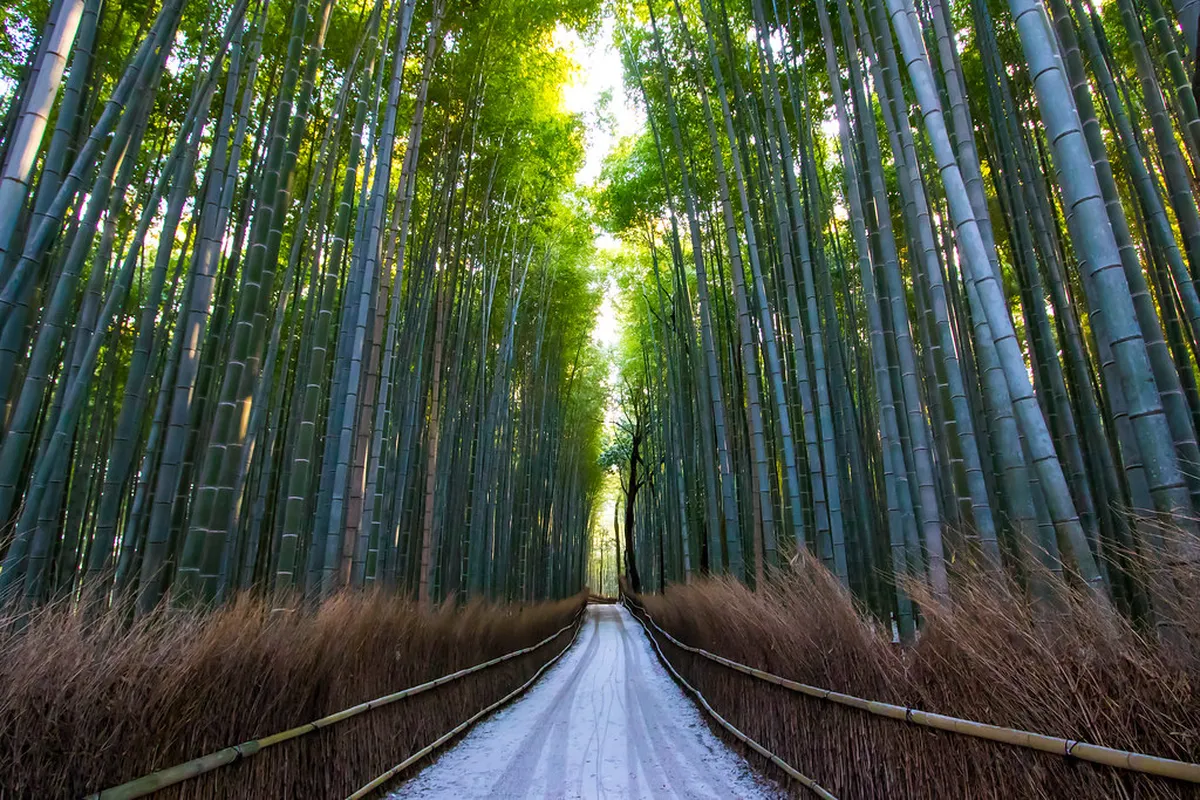
Table of Contents
Arashiyama Bamboo Grove Snow Photography Spots 2026 Guide
Kyoto becomes a silent wonderland when winter snow finally covers the tall green stalks of Sagano. Finding the best Arashiyama bamboo grove snow photography spots 2026 requires patience and very careful timing. This guide highlights the most scenic locations for your winter photoshoot in this famous Japanese forest. Discover why this area is ranked among the best snow spots in Kyoto during the cold months.
Photography in the bamboo grove during a snowstorm offers a unique and ethereal visual experience. The white snow creates a stark contrast against the dark green bamboo and the brown wooden fences. You must plan your visit during the peak winter weeks to capture these rare conditions perfectly. Arashiyama is the perfect place to start your winter journey through the traditional city of Kyoto. This article provides all the details you need for a successful 2026 winter photography expedition.
Top Photography Locations in Arashiyama
For the most up-to-date details, check Kyoto City Official Website before you go.
For practical details and last-minute changes, use Kyoto National Museum.
The main walking path serves as the most popular spot for capturing the towering bamboo heights. You should focus your lens on the middle section where the path curves slightly to the left. This curve adds depth to your composition and emphasizes the height of the thick bamboo stalks. The snow often clings to the upper leaves, creating a soft white roof over the walking path. Early morning light provides a gentle glow that makes the white snow sparkle on the ground.Nonomiya Shrine is another excellent location for winter photography located right next to the bamboo forest. The traditional black torii gate looks stunning when it is partially covered by a layer of fresh snow. You can frame the gate with snow-dusted bamboo branches for a truly classic Japanese winter scene. Make sure to use a wide-angle lens to include both the shrine and the forest background. The contrast between the dark gate and the white snow creates a very powerful visual image.
Okochi Sanso Villa offers a higher perspective of the bamboo grove and the surrounding Arashiyama mountains. This private villa features beautiful gardens that look like a traditional ink painting during the winter season. You can look down into the bamboo forest from the upper viewing platforms of the villa grounds. The entry fee is 1,000 yen, which includes a cup of hot matcha and a sweet. This spot is much quieter than the main path, allowing for more peaceful and thoughtful photography.
The Katsura River bank near the Togetsukyo Bridge provides a wide view of the snowy mountain peaks. You should stand on the northern side of the bridge to capture the river and mountains together. The snow creates a clean and minimalist landscape that is perfect for professional landscape photography. Watch for the traditional wooden boats that occasionally pass through the frame for a sense of scale. This location is just a short walk from the main entrance of the bamboo grove forest.
Small side paths near the Tenryu-ji Temple exit offer more intimate views of the snowy bamboo stalks. These narrow trails are often less crowded than the main path during the early morning hours. You can capture close-up shots of the snow resting on the textured bark of the bamboo. The wooden fences along these paths provide great leading lines for your winter compositions in the grove. Always stay on the marked paths to protect the delicate root systems of the bamboo trees.
Essential Gear for Kyoto Winter Photography
A sturdy tripod is necessary for capturing sharp images in the low light of the bamboo forest. The tall bamboo stalks block a lot of sunlight, making the forest quite dark even at midday. You will often need slower shutter speeds to get the right exposure for the white snow. Using a tripod also allows you to use a lower ISO for cleaner image quality. Ensure your tripod feet have rubber grips to prevent slipping on the icy forest floor paths.
Weather sealing on your camera body and lenses is vital for shooting during active snowfalls in Kyoto. Wet snow can quickly melt on your equipment and cause damage to the internal electronic components. You should use a rain cover or a simple plastic bag to protect your camera gear. Keep a microfiber cloth in your pocket to wipe away stray snowflakes from your front lens. This extra care ensures your equipment stays safe throughout the entire 2026 winter travel season.
Extra batteries are essential because the cold weather drains power much faster than usual in the winter. Keep your spare batteries in an inner pocket close to your body heat to maintain charge. You might find that your camera shuts down earlier than expected in the freezing Kyoto air. Having at least three fully charged batteries will allow you to shoot for the entire morning. Check your battery levels frequently so you are not surprised by a sudden power loss.
Lens choice is important for capturing both the scale and the details of the bamboo grove. A 16-35mm wide-angle lens is perfect for showing the height of the forest and the paths. A 70-200mm telephoto lens helps you compress the bamboo stalks for a dense and crowded look. You can also use a fast prime lens like a 35mm f/1.4 for low light shots. Consider reading the Kyoto winter travel guide 2026 for more practical gear tips.
Lens hoods can help prevent snowflakes from landing directly on your glass while you are shooting photos. They also reduce glare from the white snow if the sun happens to come out briefly. Make sure the hood is securely attached so it does not fall off in the snow. If you are using filters, check them often for any fogging caused by the cold air. These small steps will help you maintain the highest possible image clarity during your trip.
Timing Your Visit for Perfect Snow Conditions
Snow in Kyoto city is often fleeting and might melt within just a few hours of falling. You must monitor the local weather forecast very closely during the months of January and February. The best time for snow is usually early in the morning before the sun gets high. Arriving at the grove by 6:30 AM gives you the best chance for fresh snow. For more timing advice, see the best time for snow photography in Kyoto guide.
The bamboo grove is a public space that is open twenty-four hours a day throughout the year. Visiting during a weekday is much better than visiting on a busy weekend for photography purposes. Fewer people will be walking through your shots, which is very important for clean snow scenes. If it starts snowing at night, be ready to go out at the very first light. This dedication is what separates great winter photos from average tourist snapshots in Arashiyama.
Heavy snowfalls are rare in Kyoto, so you must be ready to move quickly when they occur. Use local weather apps to track the movement of snow clouds over the Arashiyama mountain range. The temperature needs to stay below two degrees Celsius for the snow to stick to the ground. If the forecast predicts rain, it might turn into snow in the higher Arashiyama elevation. Stay flexible with your schedule so you can prioritize the bamboo grove on snowy days.
The lighting in the grove changes significantly as the sun moves behind the tall bamboo stalks. Overcast skies are actually better for snow photography because they provide soft and even lighting conditions. Harsh sunlight can create dark shadows and blown-out white highlights on the fresh snow on the ground. A gray sky complements the moody and quiet atmosphere of the winter bamboo forest very well. Plan to spend at least two hours in the area to capture different lighting styles.
Winter festivals and illuminations might also happen in the Arashiyama area during the month of December. While these events are beautiful, they often attract very large crowds that make photography quite difficult. The Hanatouro illumination event is a popular time, but it may not always align with heavy snow. Focus on the mid-winter weeks of January 2026 for the most authentic and snowy forest atmosphere. This period offers the highest probability of seeing the bamboo grove covered in white.
Frequently Asked Questions
🌟 Local Expert Tip: Get the most out of your Kyoto visit with guided tours!
What is the best month to see snow in Arashiyama?
January and February are the best months to see snow in the Arashiyama bamboo grove. Snow is most likely to fall during the coldest weeks of the winter season in Kyoto. You should check the forecast daily during your 2026 trip to catch a snowfall.
Is the bamboo grove free to visit in winter?
Yes, the main Arashiyama bamboo grove path is free and open to the public at all times. You do not need a ticket to walk through the main forest area during the day. Some nearby temples like Tenryu-ji do require an entrance fee for their specific garden areas.
How do I get to Arashiyama from Kyoto Station?
The fastest way is to take the JR Sagano Line from Kyoto Station to Saga-Arashiyama Station. The train ride takes about fifteen minutes and costs approximately 240 yen for a one-way trip. From the station, it is a ten-minute walk to reach the entrance of the bamboo grove.
Arashiyama bamboo grove snow photography spots 2026 offer a rare chance to capture Kyoto in its most quiet state. By arriving early and using the right gear, you can create stunning images of this iconic forest. Remember to stay warm and respect the local environment while you explore the snowy paths of Japan. We hope this guide helps you find the perfect angle for your winter photography project in 2026.
Key Takeaways
- Arrive at the grove by 6:30 AM to photograph fresh, untouched snow.
- Use exposure compensation of +1 or +2 to keep the snow looking white.
- Visit the Okochi Sanso Villa for unique elevated views of the bamboo forest.
- Dress in multiple layers and use heat packs to stay warm while shooting.
Related reads: polarcityguide.com, kinkaku ji golden pavilion in the winter snow, kiyomizu dera temple winter snow views and photos.