
Kurama and Kibune Winter Snow Hiking Guide
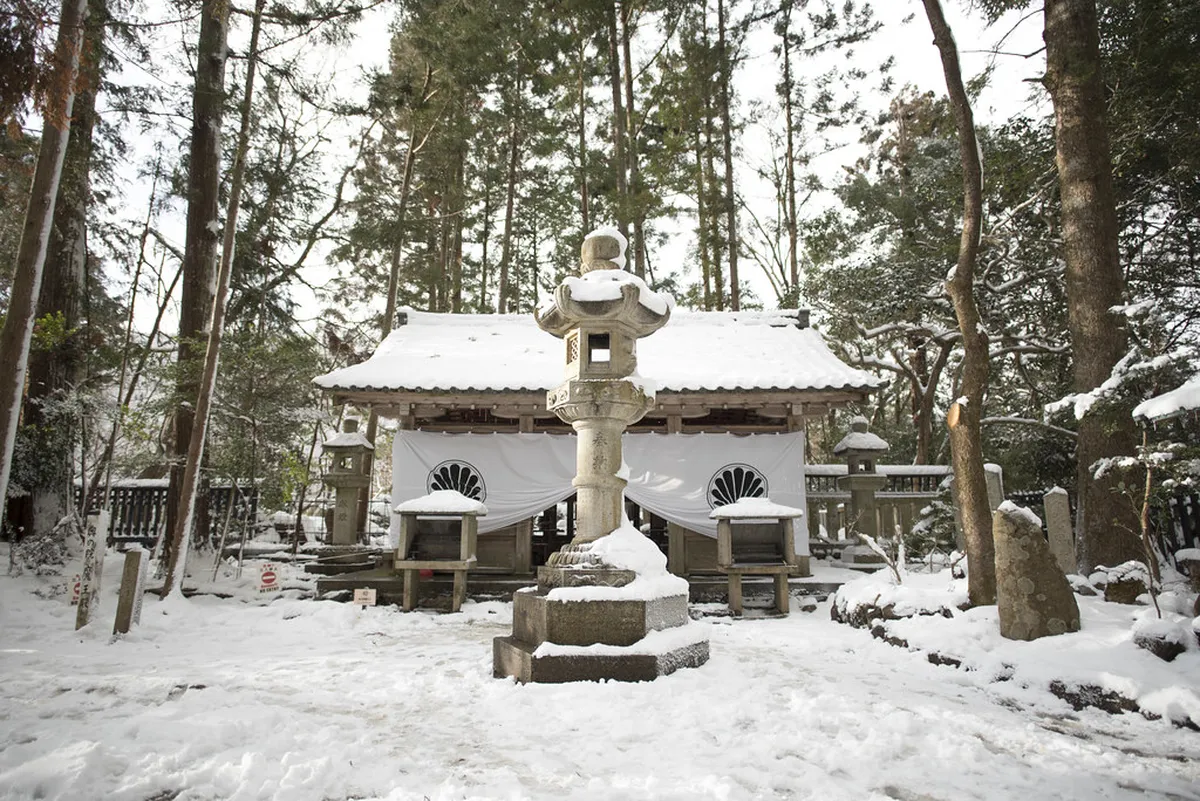
Table of Contents
Hiking Between Kurama and Kibune in Winter Snow
Kurama and Kibune offer a magical winter experience in the mountains of Kyoto. This Kurama and Kibune winter snow hiking guide provides essential tips for your journey. Many travelers consider these mountains the best snow spots in Kyoto during January. The trail connects two historic villages through a beautiful cedar forest.
The path remains open throughout the winter season for adventurous visitors. You will see ancient temples covered in soft white snow. The air feels crisp and fresh in the high mountain elevations. It is a peaceful escape from the busy city center. Planning your hike correctly ensures a safe and memorable experience.
Preparing for Your Winter Mountain Hike
For official information, visit Kyoto travel info.
For the most up-to-date details, check Kyoto travel info before you go.
Winter hiking in the Kyoto mountains requires specific gear for safety. The trail between Kurama and Kibune becomes very slippery when it snows. You must wear sturdy hiking boots with excellent grip. Small metal crampons or ice spikes are highly recommended for the slopes. These tools prevent falls on the icy stone steps of the temple.Dress in warm layers to manage your body temperature while moving. Thermal base layers help keep your core warm in freezing conditions. Bring a waterproof outer jacket to protect against falling snow or rain. Pack a pair of warm gloves and a hat to prevent heat loss. Safety should always be your top priority on the mountain.
Carry a small backpack with water and high-energy snacks for the trek. The hike takes about two to three hours depending on your pace. Mountain weather can change quickly during the winter months in Japan. Check the Kyoto winter weather guide before starting your journey. Always tell someone your planned route before you head into the forest.
The sun sets early in the mountains during the winter. Aim to start your hike no later than 1:00 PM. This timing ensures you reach the village before darkness falls. Bring a small flashlight or headlamp just in case of delays. Having a fully charged phone is essential for navigation and emergencies.
The Hiking Route from Kurama to Kibune
Start your journey by taking the Eizan Railway from Demachiyanagi Station. The train ride offers beautiful views of the northern Kyoto suburbs. Get off at Kurama Station to begin the uphill portion of the hike. Look for the giant red Tengu mask outside the station exit. This mythical creature is the legendary protector of the Kurama mountains.
The entrance to Kurama-dera Temple is a short walk from the station. You will pay a small entry fee of 500 yen here. The trail begins with a long series of stone stairs. These steps lead you past several smaller shrines and statues. Take your time climbing as the elevation gain is significant.
After reaching the main temple hall, continue toward the mountain path. The trail enters a dense forest of towering cedar trees. Snow clings to the branches, creating a silent and ethereal atmosphere. You will cross the mountain ridge at the highest point of the hike. This area features the famous kinone-michi or tree root paths.
The descent toward Kibune is steeper than the climb from Kurama. Be extra cautious on the wooden steps during the winter. The path eventually leads down to the Kibune River. You will cross a small bridge to enter the village street. The sight of red lanterns against the snow is truly breathtaking.
Highlights of the Kurama-dera Temple Complex
Kurama-dera is a unique temple founded in the eighth century. It sits high on the slopes of Mount Kurama. The main hall offers a wide view of the surrounding peaks. Many people believe the temple sits on a powerful energy spot. You might see visitors standing on the stone circle in the courtyard.
The temple grounds are particularly beautiful after a fresh snowfall. White snow contrasts perfectly with the deep red temple buildings. You can find many quiet spots for photography and meditation. Explore the various smaller halls tucked away in the forest. Each building has its own history and spiritual significance.
The Yuki-jinja Shrine is another highlight near the temple entrance. It is famous for its massive cedar tree and Fire Festival. In winter, the shrine looks like a scene from a fairy tale. The architecture represents classic Japanese mountain style from centuries ago. Respect the sacred atmosphere by keeping your voice low during visits.
There is a small cable car available for a portion of the climb. It costs 200 yen for a one-way trip up the hill. This is a good option if you want to save energy. However, walking the entire path allows you to see more shrines. Most hikers prefer the full walk for the complete mountain experience.
Exploring the Magic of Kibune Village
⭐ Recommendation: Don't miss out on amazing Kyoto tours - book now!
Kibune is a narrow village built along a rushing mountain stream. It is famous for Kifune-jinja, the shrine of the water deity. The iconic stone stairs lined with red lanterns are located here. These lanterns are lit every evening during the peak winter weeks. It is one of the most photographed spots in all of Kyoto.
The village is much smaller and quieter than central Kyoto. You will find several traditional restaurants along the main road. Some places offer warm winter meals like hot pot or soba. Prices in Kibune tend to be higher than in the city. Expect to pay around 2,000 yen for a standard lunch set.
Visit the shrine to try the unique water fortune slips. Place the paper on the sacred spring water to see your future. The words appear slowly as the paper becomes wet. This is a popular activity for visitors seeking good luck. The shrine office sells beautiful charms and souvenirs for your trip.
Walking through the village in the snow feels like stepping back in time. The sound of the river provides a constant, soothing background noise. Many ryokans or traditional inns line the river banks. They offer a luxurious place to stay for an overnight mountain retreat. Kibune truly captures the essence of rural Japanese winter beauty.
Practical Travel Details for 2026
Transportation to the mountains is easy and very reliable in 2026. Use a prepaid IC card like Suica or Pasmo for the train. The Eizan Railway fare is approximately 430 yen each way. Trains depart frequently from Demachiyanagi Station throughout the day. Check the digital displays for the latest schedule updates.
Public restrooms are available at both Kurama and Kibune stations. There are also facilities located near the main Kurama-dera temple building. It is difficult to find restrooms on the forest trail itself. Use the facilities before you start the hiking portion of your trip. Keep the mountain clean by carrying all your trash back.
Kibune is connected back to the train station by a bus. The bus ride costs 170 yen and takes five minutes. You can also walk the road back to the station in 20 minutes. The walk is flat and follows the beautiful river path. Buses can be crowded during weekends or holiday periods.
Most shops and temples in the area accept credit cards now. However, carrying some cash is still useful for small fees. The entry to the temple and some bus fares require exact change. Small coins are helpful for making offerings at the various shrines. Prepare your wallet before leaving the city center.
Frequently Asked Questions
Is the Kurama to Kibune hike difficult in winter?
The hike is moderately difficult due to the elevation and ice. Most healthy adults can complete it in two hours. You must wear proper shoes to handle the slippery stone steps. Use hiking poles if you need extra balance on the slopes.
How do I get to the Kurama trailhead from Kyoto?
Take the Keihan Line to Demachiyanagi Station first. Transfer to the Eizan Railway heading toward Kurama. The total travel time is about 45 to 60 minutes. Follow our Kyoto winter travel guide 2026 for more transport tips.
What is the best time to see snow in Kurama?
The best chance for snow is during January and February. These months have the coldest temperatures in the Kyoto mountains. Early morning is the best time for fresh, undisturbed snow. Check local forecasts to see when a winter storm is expected.
Are there places to eat in Kibune during winter?
Yes, many restaurants remain open throughout the winter season. They serve hot noodles and traditional Japanese sets. Some places offer beautiful views of the snowy river. Reservations are rarely needed during the quiet winter weekdays.
Hiking between Kurama and Kibune is a highlight of any winter trip. This guide helps you navigate the trails and temples safely. The snowy mountain scenery offers a unique look at ancient Japanese culture. Remember to dress warmly and start your journey early in the day. Enjoy the peace and beauty of the Kyoto mountains in 2026.
Key Takeaways
- Wear crampons or spikes for the icy mountain steps.
- Start your hike before 1:00 PM to avoid darkness.
- Carry cash for temple fees and small bus fares.
- Use the Eizan Railway for the most scenic transport.
- Visit Kifune-jinja at dusk to see the red lanterns.
Related reads: polarcityguide.com, kinkaku ji golden pavilion in the winter snow, kiyomizu dera temple winter snow views and photos.