
Night Photography in Shinjuku During Winter
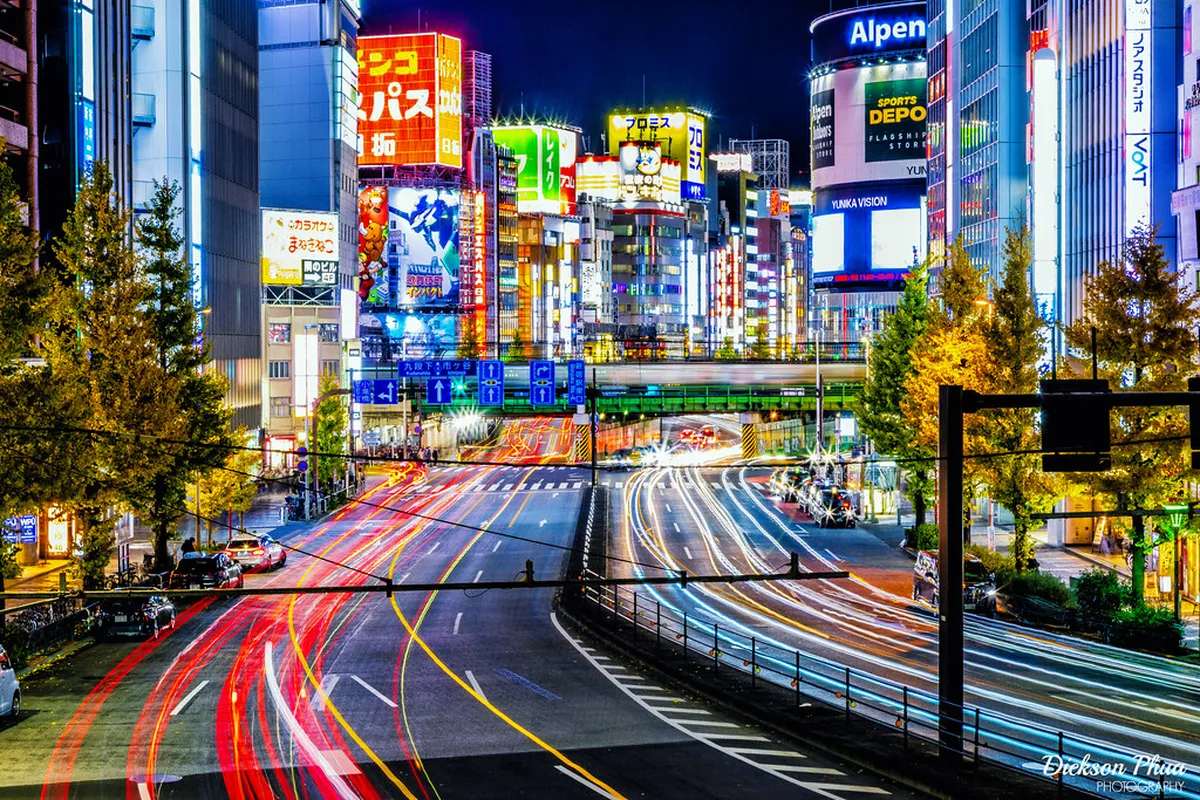
Table of Contents
Mastering Night Photography in Shinjuku During Winter 2026
Shinjuku offers endless opportunities for night photography in Shinjuku during winter. The district glows with millions of neon lights every single evening. Winter adds a special charm with seasonal light displays across the city. You will find breathtaking scenes around every corner in this urban heart.
Exploring these streets requires careful planning and the right photography equipment. Many photographers flock here to capture the unique energy of Tokyo at night. This guide provides essential tips for your 2026 winter photography trip to Japan. Check out other great Tokyo winter photography locations for more inspiration today.
The cold air creates a crisp atmosphere for your long exposure shots. Neon signs reflect beautifully off the modern glass buildings in Shinjuku. You can capture both traditional alleys and futuristic skyscrapers in one night. This guide will help you master every single shot you take.
Essential Gear for Night Photography in Shinjuku
For practical details and last-minute changes, use Tokyo travel info.
For official information, visit Tokyo travel info.
Choosing the right camera gear is vital for crisp winter shots. Use a mirrorless or DSLR camera with good high ISO performance. This helps reduce noise in your dark night images. A sturdy travel tripod is also essential for long exposures.Shinjuku has many crowded areas where space is very limited. A compact tripod works best in busy spots like Omoide Yokocho. Alternatively, look for flat surfaces to steady your camera safely. This ensures your city lights look sharp and clear.
Bring a wide-angle lens to capture the towering Shinjuku skyscrapers. A focal length between 16mm and 35mm is usually perfect. This allows you to fit entire buildings into your frame. Fast lenses with an f/2.8 aperture are ideal for low light.
Carry multiple spare batteries in your inner jacket pockets. Cold winter temperatures drain battery life much faster than usual. Keep them warm with your body heat until you need them. This simple trick prevents your camera from dying unexpectedly.
Consider using a remote shutter release for your long exposure images. This prevents camera shake when you press the shutter button. You can also use a two-second timer on your camera. Sharp images are the goal for every night photographer.
Top Spots for Shinjuku Winter Cityscapes
Omoide Yokocho is a classic location for gritty street photography. This narrow alleyway features traditional lanterns and smoky food stalls. The contrast between warm lights and dark shadows is stunning. It captures the nostalgic side of modern Tokyo perfectly.
Visit the Tokyo Metropolitan Government Building for panoramic city views. The observation decks are free and provide excellent photo opportunities. You can see the vast Shinjuku skyline stretching into the distance. It is an ideal spot for sunset and blue hour.
The Shinjuku Southern Terrace hosts beautiful winter illuminations every year. Millions of LED lights decorate the trees and walkways here. It creates a festive atmosphere that is perfect for bokeh photography. You can find more tokyo winter illumination spots 2026 nearby.
Golden Gai offers a different vibe with its tiny themed bars. The colorful signage and narrow paths create deep visual interest. Be respectful of local businesses while taking your nighttime photos. This area feels like a movie set from the past.
Don't forget to visit the iconic Kabukicho entrance sign. This bright red gate is a symbol of Shinjuku nightlife. It looks fantastic when captured with a wide-angle lens. The surrounding neon signs add even more color to the frame.
Mastering Neon Lights and Camera Settings
Balancing neon lights requires careful control over your exposure settings. Start with an ISO between 400 and 800 for street scenes. This keeps your images clean without too much digital noise. Adjust your shutter speed to capture the movement of people.
Use a narrow aperture like f/8 for sharp city landscapes. This creates a beautiful starburst effect on the bright street lamps. It also ensures that the entire scene remains in sharp focus. Experiment with different settings to find your favorite look.
Shooting in RAW format is essential for high-quality night photos. This allows you to recover details from shadows and highlights later. Night photography in Shinjuku during winter often has high contrast. RAW files give you the most flexibility during editing.
Pay close attention to the white balance of your images. Neon signs can create strange color casts on your subjects. Setting your white balance to 'Tungsten' often yields natural results. You can also fix this easily during post-processing.
Check your histogram frequently to avoid blowing out the bright highlights. Neon signs are very easy to overexpose in dark environments. Lower your exposure compensation by one stop if needed. This preserves the rich colors of the glowing signs.
Creative Techniques for Shinjuku Street Scenes
⭐ Recommendation: Don't miss out on amazing Tokyo tours - book now!
Try capturing light trails from the busy Shinjuku traffic. Set your camera on a tripod near a major intersection. Use a slow shutter speed of five to ten seconds. This turns car headlights into beautiful ribbons of glowing color.
Look for reflections in puddles after a winter rain shower. The wet pavement acts like a mirror for neon signs. Get your camera low to the ground for unique perspectives. This adds a cinematic feel to your urban photography.
Focus on the small details that define Shinjuku's unique character. Capture the steam rising from a ramen shop window. Photograph the colorful vending machines that glow in dark corners. These shots tell a deeper story of winter in Tokyo.
Incorporate local people to add a sense of scale. The busy crosswalks are perfect for showing the city's energy. Use a slightly slower shutter speed to blur the crowd. This emphasizes the fast pace of life in Shinjuku.
Experiment with multiple exposures for a more artistic city look. You can blend different light sources together in your camera. This creates a dreamlike quality for your Shinjuku winter photos. Every street corner offers a new creative challenge.
Staying Warm During Your Winter Photo Session
Tokyo winters are cold, especially when standing still for photos. Dress in several thin layers to trap your body heat. Wear a windproof outer shell to block the chilly city breeze. This keeps you comfortable for hours of outdoor shooting.
Fingerless gloves with a fold-back mitten cover are very useful. They allow you to adjust camera dials with your bare fingertips. Then you can quickly cover them up to stay warm. Keeping your hands warm is crucial for steady shots.
Use disposable heat packs known as 'kairo' in Japan. You can buy them at any local convenience store. Place them in your pockets or inside your shoes. They provide steady warmth for several hours while you explore.
Take frequent breaks in warm cafes or department stores. Shinjuku has many places to grab a hot drink quickly. Use this time to review your photos and plan. Refer to photography tips for tokyo winter lights for extra advice.
Stay hydrated even if you do not feel thirsty in the cold. Drink warm tea or coffee to maintain your body temperature. This helps you stay alert for the best photo moments. Proper preparation makes your photography session much more enjoyable.
Frequently Asked Questions
What is the best time for night photography in Shinjuku?
Blue hour is the best time for night shots. This happens shortly after the sun sets in winter. The sky turns a deep blue which contrasts with neon. This usually occurs around 5:00 PM in Tokyo during winter.
Is a tripod allowed in Shinjuku?
Tripods are generally allowed on public sidewalks in Shinjuku. However, you must not block the flow of pedestrians. Some private malls or observation decks may prohibit their use. Always check for local signs before setting up your gear.
How cold does it get in Tokyo during winter?
Temperatures usually range from 2°C to 10°C in winter. It feels colder at night due to the wind. Proper clothing is necessary for a successful night shoot. Always check the weather forecast before heading out to shoot.
Where can I see winter illuminations in Shinjuku?
The Southern Terrace is the most famous spot for lights. You can also find displays near the Shinjuku West Exit. Many hotels and malls have their own beautiful light setups. These displays usually run from November until February each year.
Shinjuku is a dream destination for any night photographer in 2026. The combination of neon and winter lights is truly magical. Remember to stay warm and experiment with your camera settings. Your stunning winter photos will be worth the cold effort. Visit Shinjuku tonight and capture the glowing heart of Tokyo.
Key Takeaways
- Use a tripod for sharp long exposures.
- Bring spare batteries to handle the cold.
- Explore Omoide Yokocho for nostalgic lantern shots.
Related reads: polarcityguide.com, tokyo winter travel guide 2026.