
10 Photography Tips for Tokyo Winter Lights 2026
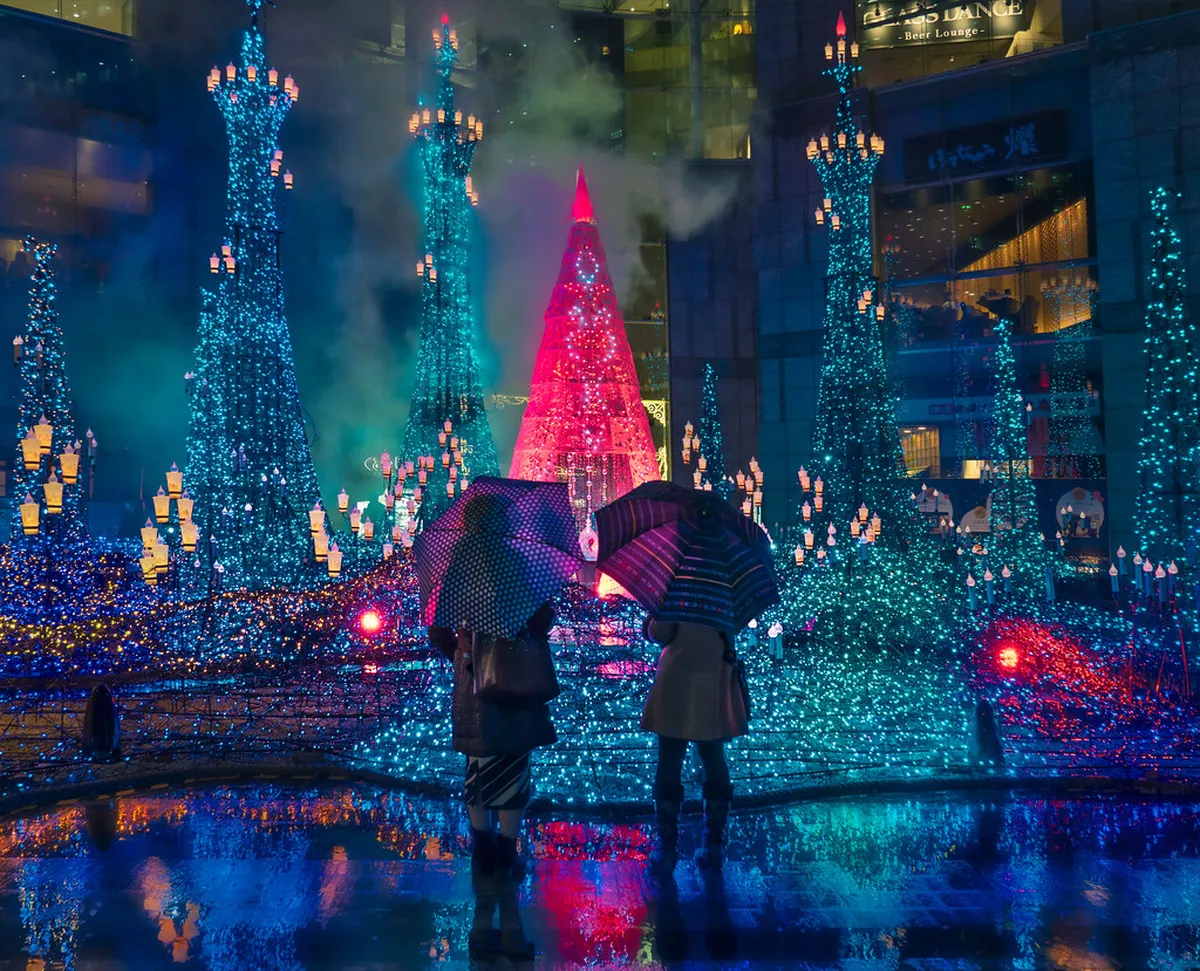
Table of Contents
Mastering Photography Tips for Tokyo Winter Lights
Tokyo becomes a magical wonderland when the winter lights start glowing across the busy city. You will find endless opportunities for capturing stunning images during your visit in early 2026. Following specific photography tips for Tokyo winter lights will help you achieve professional and sharp results. Let us explore the best techniques for mastering night photography in the heart of Japan.
Essential Camera Gear for Winter Success
For official information, visit Tokyo travel info.
You can find the latest updates on Tokyo travel info.
Selecting a fast prime lens will significantly improve your low light performance in the city. Using a 35mm lens works best for capturing wide and busy winter street scenes safely. These specialized lenses allow much more light into your camera sensor during the dark evenings. You can easily capture sharp images without using extremely high and noisy ISO settings tonight.Bringing a lightweight carbon fiber tripod ensures your long exposure shots remain perfectly crisp and sharp. Many popular illumination spots in Tokyo get very crowded during the peak winter viewing hours. A compact tripod helps you maintain a small footprint while waiting for the perfect clear moment. Check the Tokyo winter travel guide 2026 for more gear and clothing suggestions today.
Keep extra batteries tucked inside your warm inner pockets to prevent sudden power loss during shooting. Cold weather conditions drain battery life much faster than usual during the long Tokyo winter nights. Switching your batteries frequently will keep your digital camera running smoothly throughout the entire evening session. Carrying a portable power bank is also a smart way to keep your accessories charged.
Using a lens hood helps protect your glass from stray light and potential winter moisture buildup. Sudden temperature changes often cause condensation to form on your expensive camera lenses when moving indoors. Always keep a clean microfiber cloth ready to wipe away any fogging that occurs during travel. Proper gear maintenance ensures that every single photo you take remains clear and free of blur.
Best Camera Settings for Tokyo Winter Lights
Set your aperture to the widest possible setting to create a beautiful and soft bokeh effect. This technique makes the glowing LEDs look like soft orbs of light in your final image. Shooting at f/1.8 or f/2.8 is ideal for creating a professional and artistic winter look. These wide apertures also help you maintain faster shutter speeds while shooting in the dark.
Adjust your ISO between 800 and 3200 to balance light sensitivity with overall image quality levels. Modern digital sensors handle high ISO settings much better than older camera models from previous years. Avoid going too high to prevent grainy noise from appearing in the dark shadow areas. Test your specific camera limits before you head out to the main illumination events tonight.
Maintain a shutter speed of at least 1/60 when you are shooting handheld in the city. This speed prevents blurry images caused by natural hand movements while you are holding your camera. Use a much slower shutter speed if you have a sturdy tripod and want light trails. Experiment with different speeds to find the perfect balance between motion and sharpness in your shots.
Switch your white balance to the tungsten or incandescent setting for more accurate and natural colors. Most winter lights in Tokyo use cool blue or warm gold tones that confuse auto settings. Manual white balance ensures your blues look crisp and your golds look rich and truly inviting. Take a few test shots to see which setting matches the actual city lights best.
Composition Tips for Stunning Light Photos
Look for colorful reflections in puddles or glass windows to add incredible depth to your compositions. Reflections double the visual impact of the bright LEDs and create a wonderful sense of symmetry. Positioning your camera close to the ground provides a unique perspective on the glowing city streets. This simple trick transforms a standard street photo into something truly spectacular and very memorable.
Frame your main subjects using the hanging light strands found in many instagrammable winter spots in Tokyo 2026. This technique naturally draws the viewer's eye toward the center of your well-composed digital image. You can use trees or archways to create a natural border for your beautiful winter scenes. Leading lines will guide the viewer through the frame and toward the most important elements.
Capture the movement of the local crowds to add a sense of life to your photos. Using a slightly slower shutter speed creates a ghostly blur of people walking through the lights. This contrast between the stationary glowing trees and moving pedestrians tells a dynamic story of life. It highlights the busy and energetic atmosphere of Tokyo during the festive and cold winter season.
Experiment with extreme close-up shots to focus on the intricate details of the individual light bulbs. Macro photography reveals the textures and shapes of the displays that most people usually overlook completely. These detailed shots make a great addition to your travel portfolio or your social media feed. Focus on the contrast between the dark night sky and the brilliant points of light.
Top 2026 Tokyo Winter Photography Locations
⭐ Recommendation: Don't miss out on amazing Tokyo tours - book now!
Visit Roppongi Hills to capture the iconic view of Tokyo Tower framed by blue street lights. The Keyakizaka illumination features thousands of LEDs that change color throughout the long winter evening hours. Arrive early to secure a good spot on the pedestrian bridge for the best possible angle. You will find many Tokyo winter photography locations nearby that offer different and interesting perspectives.
Head over to the Marunouchi district near Tokyo Station for a more sophisticated and elegant atmosphere. The trees along the main boulevard are decorated with millions of beautiful champagne gold colored lights. This area provides a classic urban backdrop that looks stunning in both wide and tight shots. The wide sidewalks make it easier to set up your tripod without blocking the local pedestrians.
Explore the Shibuya Blue Cave for an immersive and magical experience deep in the heart of Tokyo. This popular display features a long tunnel of brilliant blue lights that reflect off the ground. It is one of the most famous spots for night photography in the entire city during 2026. Try to visit on a weekday evening to avoid the massive crowds of weekend tourists.
Check out the Yebisu Garden Place for a massive Baccarat crystal chandelier display every single winter. This location offers a luxurious and festive feel that is perfect for high-end travel photography shots. The surrounding architecture adds a European touch to your Japanese winter adventure photos this year. Be sure to capture the grand scale of the display from the bottom of the stairs.
Practical Tips for Navigating the Crowds
🌟 Local Expert Tip: Get the most out of your Tokyo visit with guided tours!
Patience is your most valuable tool when you are shooting in a busy city like Tokyo. You will often have to wait several minutes for a clear opening in the moving crowd. Use this time to check your settings and plan your next shot with your camera. Staying calm ensures you are ready when the perfect photographic moment finally presents itself tonight.
Be respectful of the local rules regarding tripod use in the busy public illumination viewing areas. Some locations strictly forbid tripods during the peak hours to keep the foot traffic moving safely. Always look for official signs or ask the security staff before you set up your gear. Using a monopod can be a great alternative if full tripods are not allowed there.
Dress in several warm layers to ensure you can stay outside comfortably for many long hours. The temperature in Tokyo drops quickly once the sun sets behind the tall city buildings tonight. Wear specialized photography gloves that allow you to use your touch screen without exposing your skin. Staying warm helps you focus on your creative work instead of the biting winter cold.
Plan your photography route in advance to maximize your time at the best light displays tonight. Use local train maps to find the most efficient way to travel between the different districts. Most illuminations are within a short walking distance from the major subway stations in central Tokyo. Having a clear plan helps you capture more images before the lights are turned off.
Frequently Asked Questions
⭐ Recommendation: Don't miss out on amazing Tokyo tours - book now!
When is the best time for photography tips for Tokyo winter lights?
The best time is during the blue hour immediately after the sun sets in Tokyo. This period provides a beautiful deep blue sky that contrasts perfectly with the bright city lights. You will capture more detail in the buildings before the sky turns completely black tonight.
Are the Tokyo winter light displays free to enter?
Most major outdoor light displays in Tokyo are completely free for the general public to enjoy. Some private gardens or special events might require a small entry fee for visitors in 2026. Always check the official event website for the most current pricing and opening hour details.
Can I use a tripod at all Tokyo illumination spots?
Tripod rules vary significantly between the different illumination locations throughout the busy city of Tokyo. Many crowded areas like Shibuya or Roppongi may restrict tripod use during the peak weekend hours. It is best to carry a compact tripod and check for local signs upon arrival.
Capturing the winter lights in Tokyo is a rewarding experience for any dedicated travel photographer in 2026. By following these photography tips for Tokyo winter lights, you will create images that last forever. Remember to stay warm and be patient while you explore the beautiful glowing streets tonight. Start planning your creative winter journey and bring home stunning photos of Japan's most famous city.
Key Takeaways
- Use a fast prime lens for better low light performance.
- Arrive during the blue hour for the best sky contrast.
- Keep extra batteries warm to prevent them from dying early.
- Respect local tripod rules in busy public viewing areas.
Related reads: polarcityguide.com, best sunrise spots in tokyo winter, where to photograph mount fuji from tokyo.