
Best Spots: Where to Photograph Mount Fuji from Tokyo
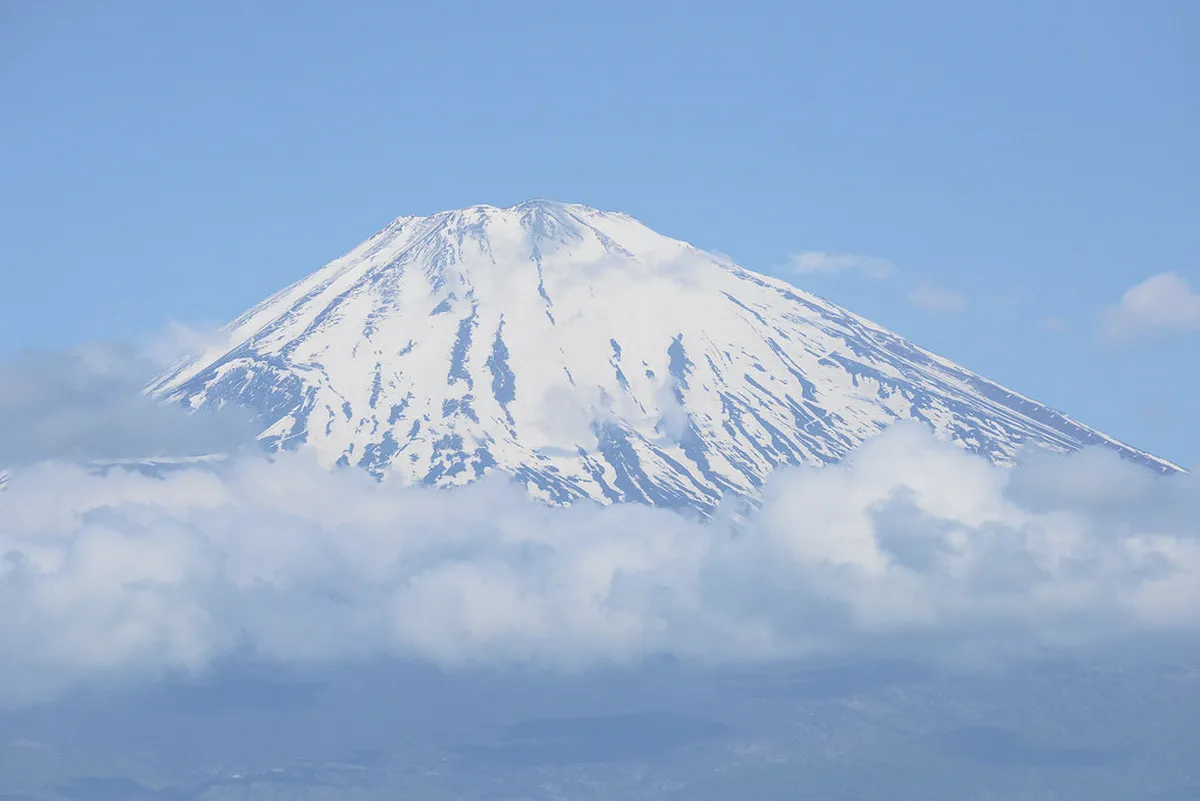
Table of Contents
Top Locations for Where to Photograph Mount Fuji from Tokyo
Mount Fuji stands as the most famous and iconic peak in all of Japan. Many tourists ask where to photograph Mount Fuji from Tokyo during their winter vacation. The crisp winter air creates the very best conditions for a clear mountain view. This guide will help you find the most amazing spots for your photography trip.
Tokyo offers several high observation decks that provide a direct line of sight to the peak. You can find both free and paid locations spread throughout the different city wards. Each location offers a unique perspective of the mountain behind the massive city skyline. Most photographers prefer the winter months because the visibility is much higher than in summer.
Tokyo Metropolitan Government Building
The Tokyo Metropolitan Government Building is a very popular choice for many visiting photographers. Its twin towers offer several unique angles of the vast and dense urban landscape. You can visit the North Observatory for a really great evening view of the city. The South Observatory is perfect for daytime exploration and seeing the mountain clearly.
Elevators run every few minutes from the ground floor until late in the evening. Shinjuku station is the closest transport hub for reaching this famous landmark building. You can walk from the station exit in about ten minutes or less. The building is open to the public from 9:30 AM to 10:00 PM daily.
You will find a helpful tourist information center located on the first floor. They offer many maps and expert advice for your local photography journey today. The North Tower is currently the main choice for the best sunset views. The South Tower often closes much earlier for regular maintenance and safety works.
You should check the weather visibility reports before you begin your afternoon visit. Many websites track the daily visibility of the mountain from the city center. A clear day is absolutely essential for seeing the distant and snowy peak. The mountain is approximately one hundred kilometers away from the busy Shinjuku district.
Admission is completely free for all visitors during the entire year of 2026. Security checks are required before you enter the fast elevator to the top. Arrive very early to secure a good spot near the large glass windows. You will see many other photographers waiting for the perfect sunset light.
Bunkyo Civic Center Viewpoint
Bunkyo Civic Center provides one of the most famous views of the mountain. Photographers love the way the Shinjuku skyscrapers frame the distant and snowy peak. This location is free and usually remains very peaceful for office workers. You can find comfortable seating areas to wait for the perfect evening light.
The windows face toward the west and offer a very clear line of sight. It is best to use a lens with a long focal length here. A 200mm lens will make the mountain appear much larger in your frame. This creates a very dramatic effect for your professional travel photography portfolio. Refer to our guide on Tokyo winter photography locations for more ideas.
The observation deck is located on the twenty-fifth floor of the civic building. You will find that the windows are slanted to reduce indoor light reflections. This makes it much easier to capture clean photos without any glass glare. The lounge is open to the public until 8:30 PM most evenings.
The center is located very close to the popular Tokyo Dome City area. You can find many great restaurants nearby for a quick and easy meal. Access is very simple from all central Tokyo areas via the local subway. You can take the Marunouchi Line directly to the Korakuen Station exit.
The building is located right next to the train station for easy access. It is a very convenient stop for a quick and productive photo session. Most visitors spend about thirty minutes capturing the skyline and the distant mountain. The view is particularly stunning when the city lights begin to glow.
Sky Lounge at Carrot Tower
Carrot Tower is a favorite spot among many local Tokyo residents and photographers. The observation deck is located on the twenty-sixth floor of the tall building. It offers a very wide view of the quiet and residential western suburbs. You can see the Tanzawa Mountains sitting right alongside the massive Mount Fuji.
The atmosphere at this location is very calm and quiet for most visitors. You can enjoy a hot coffee while waiting for the sun to set. The sunset colors are often very vibrant during the cold winter months. This spot is perfect for those who enjoy long time-lapse photography sessions.
The entrance to the tower is very easy to find from the street. It is a modern building with a very distinct carrot-colored brick exterior. You will enjoy the friendly and local atmosphere of the beautiful Setagaya district. Local shops offer great snacks for your long journey back to your hotel.
Getting to Sangen-jaya is a fun experience on the local Setagaya tram line. This is one of the last remaining tram lines in the city. It adds a very nostalgic feel to your daily travel and photography journey. The tower is a great place to escape the cold winter wind.
- Location: Setagaya Ward
- Admission: Free
- Hours: 9:30 AM to 11:00 PM
- Access: Sangen-jaya Station
Mount Takao Summit Views
🎯 Insider Tip: Discover the best Tokyo experiences with Viator Tours!
Mount Takao provides a beautiful natural escape from the busy city streets. The air is much fresher and colder on the summit during winter. You can see the mountain very clearly on bright and sunny days. The winter sun creates sharp shadows on the distant and snowy mountain slopes.
Take the Keio Line from Shinjuku for a very fast and easy trip. The journey takes about fifty minutes to reach the base of the mountain. You can choose from several different hiking trails based on your skill. Trail number one is the easiest and most popular choice for visitors. To stay warm, see our guide on the best clothes for Tokyo winter.
You can also take a cable car or a chairlift to save time. This saves your energy for taking great photos at the very top. The "Diamond Fuji" event happens here during the month of late December. This is when the sun sets directly behind the very peak.
Plan to spend a full day for this exciting mountain photography trip. The mountain air is very refreshing but can be quite cold in January. Check the cable car schedule before you start your hike back down. Most services stop running shortly after the sun sets behind the hills.
There are many small shrines along the path for you to photograph. The Yakuoin Temple is a beautiful stop for some cultural and traditional shots. You can find hot soba noodles at many shops on the summit. This is a perfect reward after a long and cold winter hike.
Wakasu Seaside Park Bridge
Wakasu Seaside Park is a unique spot for beautiful coastal landscape shots. The Tokyo Gate Bridge is also known as the famous Dinosaur Bridge. It looks magnificent when paired with the distant mountain in the background. You will definitely need a steady tripod for long exposure night shots.
The wind can be very strong near the open water in winter. Make sure to secure all of your camera gear very properly today. The blue hour offers a magical light for your professional landscape photos. The bridge lights contrast beautifully with the cold and dark winter sky.
There is a small fee for using the parking area at the park. Walking paths are very wide and easy to navigate in the dark. You can even see the lights of Chiba across the quiet bay. It is a great location for creative and modern landscape work.
This park is a hidden gem for many serious landscape photography artists. You will find many spots for creative and steady tripod setups. The sounds of the ocean waves add to the overall peaceful experience. It is a great place to escape the loud city noise.
Take a bus from Shin-Kiba Station to reach the seaside park quickly. It takes about fifteen minutes to arrive at the main park gate. The park remains open twenty-four hours a day for all visitors. Bring a long telephoto lens to compress the scene very properly.
Roppongi Hills Mori Tower
Roppongi Hills Mori Tower offers the highest open-air view in the city. The Sky Deck is located two hundred and seventy meters above level. You can feel the wind and hear the city far below. This creates a very immersive photography experience for every single visitor.
The views of the Tokyo Tower are the best from this spot. You can capture both icons in a single and wide frame. The mountain appears directly behind the tall skyscrapers of the Shinjuku district. It is a classic shot that every travel photographer really wants. For more tips, read the Tokyo winter travel guide 2026.
Tickets are required for both the Sky Deck and the Mori Museum. Tripods are generally not allowed on the rooftop for basic safety reasons. Use a high ISO setting for your sharp evening and night photos. The winter air makes the distant mountain look very close today.
The indoor gallery is also worth a visit during the winter. It often hosts world-class art and photography exhibitions for the public. The Roppongi area is famous for its bright winter light displays. You can photograph the nearby streets after your visit to the tower.
The Mori Tower is part of a very large and modern complex. You can explore the shopping mall after your evening photography session. The building is a true icon of the famous Roppongi skyline. It offers the most modern and clean view in the city.
Frequently Asked Questions
When is the best time to see Mount Fuji from Tokyo?
The best time is usually between November and February each year. The air is dry and very clear during these cold months. Mornings offer the highest chance of a cloudless and perfect view. Mount Fuji often becomes hidden by clouds in the late afternoon.
Can I see Mount Fuji for free in Tokyo?
Yes, several observation decks are completely free for all city visitors. The Tokyo Metropolitan Government Building is the most popular free choice. Bunkyo Civic Center and Carrot Tower also offer free public access. These spots provide excellent views without any admission cost at all.
Do I need a special lens for Fuji photography?
A telephoto lens is highly recommended for these distant mountain shots. A focal length of 200mm or more usually works the best. This helps bring the distant mountain much closer to the city. You can also use a wide-angle lens for urban cityscapes.
Is Mount Fuji visible every day in winter?
Visibility depends entirely on the current weather and local air quality. You can see the mountain about seventy percent of the time. Winter has the highest visibility rate of any other Japanese season. Always check the Fuji visibility forecast before you go out.
Tokyo offers many stunning spots for capturing great Mount Fuji photos. You can choose between free decks or premium open-air rooftop views. Winter provides the best clarity for your exciting photography adventure today. Start planning your winter trip to Japan for 2026 right now.
Key Takeaways
- Visit during winter mornings for the highest chance of clear visibility.
- Use a telephoto lens to make the mountain look large and dramatic.
- Check the Tokyo Metropolitan Government Building for the best free viewpoints.
- Explore Roppongi Hills if you want an open-air photography experience.
- Monitor weather apps to track the mountain visibility before your trip.
Related reads: polarcityguide.com, best sunrise spots in tokyo winter, photography tips for tokyo winter lights.