
Best Tokyo Winter Photography Locations for 2026
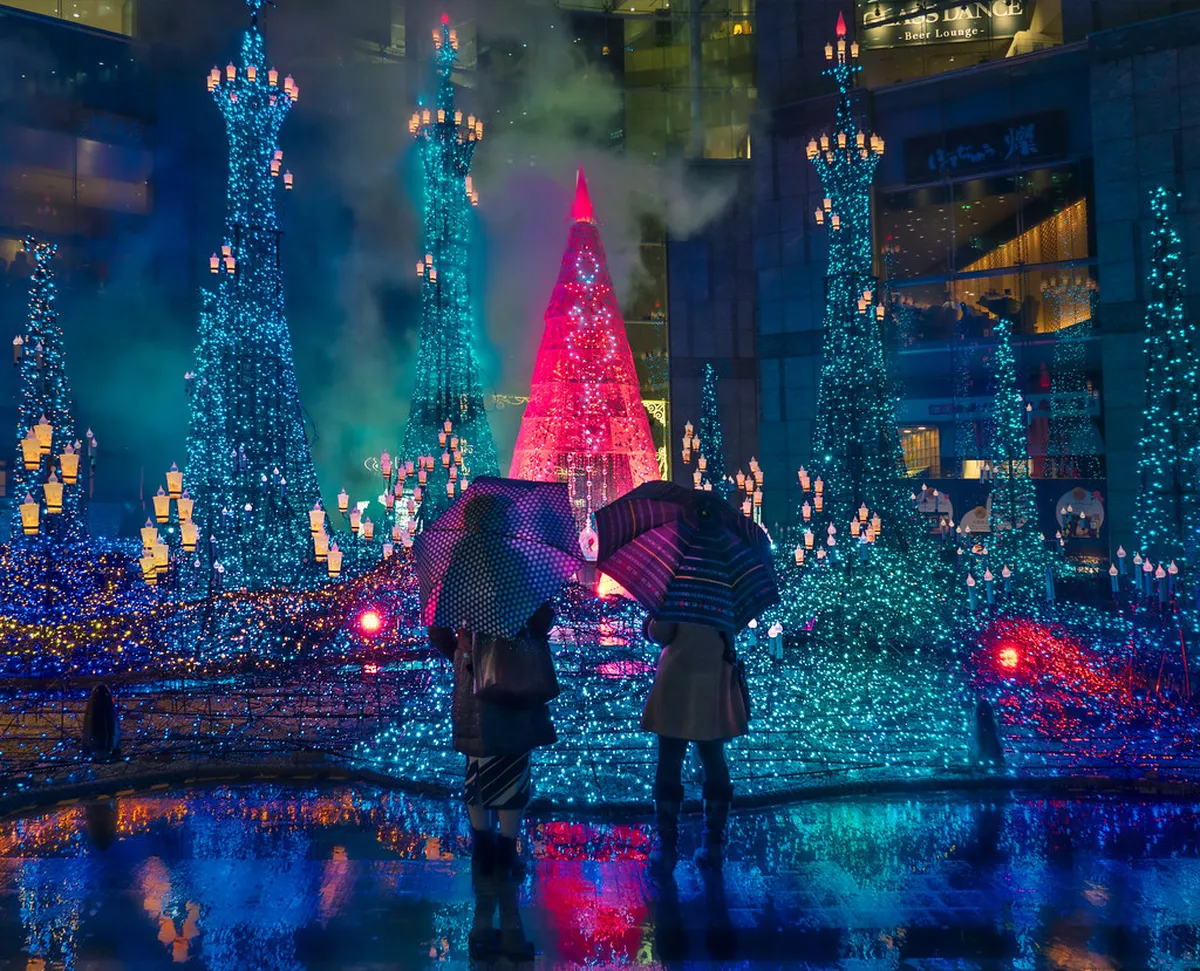
Table of Contents
Top Tokyo Winter Photography Locations You Must Visit in 2026
Tokyo transforms into a stunning visual paradise during the cold and clear winter months of the year. Finding the right Tokyo winter photography locations will help you capture the true spirit of the city. The unique light conditions and festive displays offer endless creative opportunities for every visiting photographer today.
The crisp air during the 2026 winter season ensures that the urban landscape looks incredibly sharp and vibrant. You can enjoy everything from glittering neon streets to majestic views of distant snow-capped mountains across the horizon. This guide highlights the most picturesque spots to help you plan your upcoming photography adventure.
Capturing Mount Fuji from the City
Mount Fuji becomes clearly visible from many urban spots during the cold and dry winter months. The freezing air removes the usual haze and makes the mountain peak look incredibly sharp for photos. Photographers should aim to visit these locations early in the morning for the best natural lighting conditions.
The Bunkyo Civic Center offers a fantastic free viewing deck for enthusiasts to visit during the day. You can see the majestic mountain peak framed perfectly between the tall Shinjuku skyscrapers from this height. This specific spot is a long-time favorite for local photographers throughout the clear and bright winter season.
Sky Deck at Roppongi Hills remains another premium choice for capturing the vast and sprawling city skyline. It provides a unique open-air view of the entire metropolitan area from a very high city vantage. Check our guide on where to photograph Mount Fuji from Tokyo for more specific information.
Always check the local weather forecast before you head out with your heavy and expensive camera gear. Clear and sunny days are very common from December through February in the vast Kanto region here. Both sunrise and sunset offer the most dramatic colors for your professional winter landscape and city shots.
Vibrant Winter Illuminations Across Tokyo
Winter illuminations serve as a major highlight for anyone exploring Tokyo during the festive holiday season. Millions of colorful LED lights decorate the busy streets and public parks across the entire metropolitan area. These massive displays typically start in November and last through the end of February each year.
Key areas for these light shows include Roppongi Hills and the classy Marunouchi district near Tokyo Station. The Caretta Shiodome show is also very famous for its immersive and musical light performances every night. Each location features a completely unique theme that changes for the 2026 winter travel season.
Using a sturdy tripod is essential for getting the best night shots without any unwanted camera blur. Fast lenses help you capture the vibrant lights without needing to use a very high ISO setting. You can find more details about specific events in our guide to winter illumination spots today.
Many of these stunning light displays are completely free for the public to enter and enjoy daily. They usually begin to light up the city around 5:00 PM when the sun starts to set. Stay warm while you wait for the perfect moment to capture these dazzling urban light scenes.
Historic Temples and Cultural Landscapes
The historic Senso-ji Temple in Asakusa looks particularly beautiful during the cold and bright winter days. The bright red architecture contrasts perfectly with the deep blue sky found during the dry winter season. It looks even more impressive if you are lucky enough to see a light dusting of snow.
Visit the temple grounds early in the morning to avoid the massive crowds of tourists and locals. The Nakamise shopping street offers many great street photography opportunities for those interested in traditional Japanese culture. You can capture images of traditional crafts and tasty seasonal snacks along the busy walking path.
Meiji Jingu is another must-visit location for photographers seeking a peaceful and natural setting in the city. The forested paths look remarkably serene during the winter months when the crowds are much smaller than usual. It provides a quiet escape from the busy streets while offering unique architectural details for your photos.
Look for special seasonal decorations placed at the large wooden shrine gates during the New Year period. These small details add a lot of cultural depth and interest to your winter photo collection. Always remember to respect the local rules regarding photography while you are visiting these sacred areas.
Tokyo Winter Photography Locations in Shinjuku
🎯 Insider Tip: Discover the best Tokyo experiences with Viator Tours!
Shinjuku transforms into a vibrant neon wonderland during the long and cold nights of the winter season. The district is filled with bright colors and a unique energy that attracts photographers from all over. It remains one of the most popular Tokyo winter photography locations for capturing modern urban life.
Omoide Yokocho offers a nostalgic and gritty atmosphere that is perfect for artistic and moody street photos. The narrow alleys look wonderful when the steam from the small food stalls rises into the air. Check out night photography in Shinjuku for the best hidden spots to visit.
Head up to the Tokyo Metropolitan Government Building for some of the best free city views available. The observation decks stay open late and allow you to capture the vast urban sprawl from above. You will see millions of lights stretching out toward the horizon in every direction during the night.
Do not miss the giant 3D cat billboard located near the busy Shinjuku Station east exit area. It is a fun and modern subject for quick videos or high-speed action photos in the city. The entire area is always busy with interesting people and provides endless opportunities for street photography.
Scenic Winter Park Views and Nature
🌟 Local Expert Tip: Get the most out of your Tokyo visit with guided tours!
Tokyo's large public parks offer very unique and minimalist landscapes during the colder months of the year. Yoyogi Park is famous for its wide open spaces and interesting crowds of people practicing various hobbies. You can find unique subjects to photograph even when the weather is quite cold outside.
Shinjuku Gyoen features several beautiful traditional Japanese gardens that look stark and artistic in the winter. The bare trees and brown grass create a very different mood compared to the lush green summer. Visit our guide on scenic winter park views for more ideas for your trip.
The clear reflections of the city buildings in the calm park ponds are truly stunning for photographers. Admission fees for these parks are very small and usually cost around 500 yen for an adult. Please check the park hours as they tend to close much earlier during the winter season.
Look for the early blooming plum blossoms that start to appear in late February across the city. They add a welcome splash of pink and white color to your winter nature shots. These delicate flowers are a great sign that the spring season is finally starting to arrive.
Capturing Winter Street Scenes
Tokyo's daily life continues with a unique charm even during the coldest days of the winter season. People wearing stylish winter coats and scarves make for excellent subjects in your urban street photography collection. Focus on the busy crossings like Shibuya to capture the fast pace of the local winter life.
The steam rising from outdoor food stalls creates a wonderful atmosphere for your winter street shots. You can find these stalls near major train stations or at festive local winter markets. This adds a warm and inviting feeling to your photos of the cold city environment.
Vending machines provide a bright and colorful glow against the dark and cold winter streets at night. They are a classic symbol of Japan and look particularly interesting during the long winter evenings. Our guide on capturing winter street scenes offers more creative ideas for your trip.
Look for the contrast between modern technology and traditional winter clothing like kimonos in certain areas. This blend of old and new is a hallmark of the city's unique visual identity for photographers. Keep your camera ready to capture these fleeting moments of daily life in the snowy or chilly streets.
Frequently Asked Questions
💡 Pro Tip: Book your Tokyo adventures in advance through Viator for the best deals!
When is the best time for winter photos in Tokyo?
The best time for photography is between December and February when the skies are very clear. January often provides the most consistent weather for seeing Mount Fuji from the city center.
Does it snow often in the city of Tokyo?
Snow is quite rare in Tokyo but usually happens once or twice during the month of February. When it does snow, the city looks magical and offers incredible opportunities for unique winter photos.
What camera gear do I need for winter photography?
A wide-angle lens is perfect for capturing the massive cityscapes and tall skyscrapers of the city. Bring a sturdy tripod for the winter illuminations and a zoom lens for the distant mountain views.
Are the winter illumination events free to photograph?
Most of the major winter illumination events in Tokyo are completely free for the public to visit. You can spend hours exploring different areas like Roppongi and Marunouchi without spending any money at all.
Tokyo offers an incredible variety of scenes for every photographer to explore during the winter season. From the glowing neon of Shinjuku to the quiet beauty of snow-dusted temples, there is always something to capture. Start planning your 2026 trip now and bring home memories that will last a lifetime.
Key Takeaways
- Visit the Bunkyo Civic Center for free views of Mount Fuji.
- Use a tripod to capture the best night illumination photos.
- Explore Shinjuku at night for vibrant neon and street scenes.
- Head to Asakusa early to photograph temples without any crowds.
Related reads: polarcityguide.com.