
Walking in Helsinki During Winter Safety Tips 2026
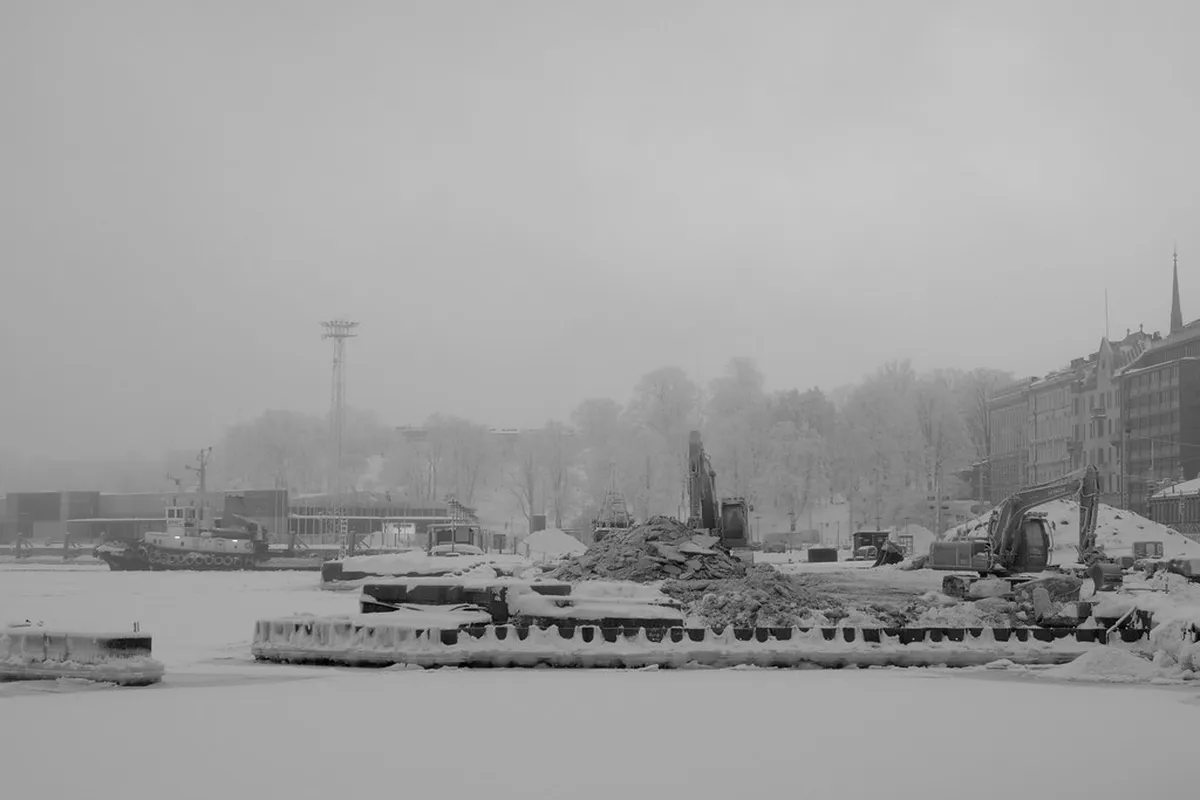
Table of Contents
Top Walking in Helsinki During Winter Safety Tips
Helsinki transforms into a stunning winter wonderland during the cold season in 2026. Walking through the snowy streets offers a unique and magical urban experience. You must prepare properly to stay safe on the slippery pavements. This guide provides essential walking in Helsinki during winter safety tips for your journey.
The Finnish capital takes winter maintenance very seriously for its residents. However, the weather can change quickly and create hazardous conditions for pedestrians. You will find that some surfaces remain icy despite regular cleaning efforts. Our Helsinki winter travel guide offers more general advice for visitors.
Safety starts with understanding how the local climate impacts the walking paths. Icy winds from the Baltic Sea often make the surfaces even more slippery. Temperature fluctuations cause snow to melt and refreeze within a few hours. Staying alert helps you navigate the city streets without any painful falls.
Choose the Right Footwear for Ice
Your choice of shoes is the first line of defense against slips. Avoid wearing smooth soles or high heels when walking on winter streets. Look for boots with deep treads and soft rubber soles for better traction. These materials remain flexible even when the temperature drops below freezing.
Many locals use detachable ice grips or traction cleats for their boots. These devices feature small metal studs that bite into the hard ice. You can buy them at most supermarkets or pharmacies in the city center. They are easy to remove when you enter shops or museums.
Insulated boots are also necessary to keep your feet warm and functional. Cold feet can lead to a loss of sensation and poor balance. Check our guide on Helsinki winter weather and packing for gear suggestions. Proper socks will add another layer of protection against the harsh Finnish chill.
Always dry your shoes thoroughly after returning to your accommodation at night. Wet soles can freeze or become less effective during your next walk. Check the condition of your treads regularly to ensure they are not worn. Good grip is essential for navigating the hilly parts of the city center.
Master the Penguin Walk Technique
Finns have a specific way of walking to avoid falling on ice. This method is often called the penguin walk by experienced winter travelers. You should lean your body forward slightly to shift your center of gravity. Keep your weight on your front leg to maintain better balance.
Take small and slow steps instead of your usual long walking stride. Keeping your feet flat on the ground increases the surface area for grip. Avoid keeping your hands in your pockets while you are moving. Your arms help you balance if you suddenly start to slip.
Focus on the path directly in front of you to spot hidden hazards. Look for patches that appear shiny or dark as these indicate ice. Walk on areas where the city has spread crushed gravel for extra traction. These small stones provide a much safer surface for your boots to grip.
Practice this technique on flat ground before tackling any steep city inclines. The hills near the Helsinki Cathedral can be especially tricky when covered in snow. Moving slowly is always better than rushing and risking a serious injury. Patience is a key part of staying safe during the Finnish winter.
Stay Visible During Dark Winter Days
Winter days in Helsinki are very short with limited hours of sunlight. Visibility becomes a major safety concern for pedestrians during the dark afternoons. Drivers may struggle to see you against the gray snow and dim light. You must take active steps to ensure you are visible to traffic.
Finland has a legal requirement for pedestrians to use safety reflectors in darkness. These small hanging reflectors bounce light back to car headlights from a distance. You can pin them to your coat or bag at knee height. They are inexpensive and can be found in every local convenience store.
Wearing bright or high-visibility clothing also helps you stand out in the city. Avoid wearing only black or dark blue colors during the evening hours. Many modern winter jackets now include reflective strips built into the fabric. These features significantly improve your safety when crossing busy metropolitan intersections.
Always wait for the green light at pedestrian crossings throughout the city. Even if the road looks clear, a car could appear very quickly. Ice increases the braking distance required for vehicles to stop safely. Give drivers extra time to see you and react to your movements.
Recognize and Avoid Hidden Ice Hazards
🌟 Local Expert Tip: Get the most out of your Helsinki visit with guided tours!
Black ice is one of the most dangerous hazards in Helsinki. This thin layer of transparent ice forms on top of the asphalt. It is almost invisible to the naked eye under street lighting. Treat every wet-looking surface as a potential slip hazard during the winter.
Watch out for snow falling from the roofs of historic city buildings. Warning signs or red-and-white tape usually mark these dangerous overhead areas. Melting snow can slide off suddenly and cause heavy impacts on pedestrians. Always look up when walking near the edges of older structures.
Be careful when stepping off the curb onto the actual street surface. Slush often piles up in the gutters and hides deep puddles or ice. Use the designated crossing points where the snow has been cleared properly. These areas are usually better maintained by the city cleaning crews.
Metal surfaces like manhole covers and drain grates become extremely slippery when wet. Avoid stepping on these surfaces whenever you have a safer path available. Wooden boardwalks or stairs in parks also require extra caution during the winter. They trap moisture and freeze much faster than the surrounding stone paths.
Using Public Transport to Avoid Ice
Sometimes the best safety tip is to avoid walking long distances. Helsinki has an excellent public transport system that operates throughout the winter. Trams and the metro provide a warm and safe alternative to icy pavements. You can use our Helsinki winter transportation guide for detailed routes.
The metro stations are mostly underground and remain completely dry and salt-free. Using the metro helps you bypass the slipperiest parts of the city center. Trams stop frequently and bring you very close to major tourist attractions. This reduces the time you spend navigating difficult and snowy pedestrian paths.
Heated pavements exist in some parts of the main shopping district. These areas are generally free from ice and much easier to navigate. Identify these zones to plan a safer route through the downtown area. They are usually found near the Aleksanterinkatu shopping street and Stockmann.
Always check the local weather forecast before planning a long walking tour. Heavy snowstorms can make even short walks feel like a difficult challenge. If the conditions look too harsh, consider staying indoors or using a taxi. Safety should always be your top priority when exploring the city.
Frequently Asked Questions
Are the sidewalks in Helsinki salted during the winter?
Helsinki uses crushed gravel instead of salt on most city sidewalks. This gravel provides excellent traction for pedestrians walking on packed snow. Salt is mostly reserved for the busiest roads used by heavy vehicles. You will see small gray stones covering most of the walking paths.
Where can I buy ice grips for my shoes in Helsinki?
You can buy ice grips at major supermarkets like S-Market or K-Citymarket. They are also available at hardware stores and many local pharmacies. Look for the Finnish word 'liukuesteet' to find them on the shelves. Most sets cost between ten and twenty euros for a pair.
Is it safe to walk on the frozen sea in Helsinki?
You should only walk on the ice if there are marked paths. Check local safety reports and follow the tracks of the local residents. Never go out alone on the ice during the early or late winter. The ice thickness can vary greatly depending on the sea currents.
What should I do if I fall on the ice in Helsinki?
Try to roll as you fall to distribute the impact across your body. If you are injured, call the European emergency number 112 for medical help. Most locals are very helpful and will assist you if they see a fall. Carry a charged phone to call for assistance if needed.
Staying safe while walking in Helsinki during winter requires simple but effective preparation. Use the right footwear and always wear a safety reflector during the dark hours. The penguin walk technique will help you navigate the most difficult icy patches. Follow these tips to enjoy the beauty of the Finnish capital in 2026 without any accidents.
Key Takeaways
- Wear rubber-soled boots and use detachable ice grips for maximum traction.
- Use the 'penguin walk' by leaning forward and taking small steps.
- Always wear a safety reflector to stay visible to drivers at night.
- Utilize the public transport system when weather conditions become too hazardous.
Related reads: polarcityguide.com, how to use helsinki public transport snow 2026.